A lush, green lawn is a dream for many California homeowners. But a common question arises: Does sod attract insects in California? The simple answer is no, healthy sod doesn’t draw pests on its own. Still, poor lawn care, excess moisture, and neglected maintenance can invite unwanted guests into your yard.
In this guide, you’ll learn why infestations happen, which lawn pests to watch for, and how to keep both new sod and established lawns free of grubs, billbugs, and other insects.
Whether you’re managing a cool-season lawn in Northern California or warm-season grasses in the Central Valley, these tips will help you maintain a healthy lawn year-round.
Key Takeaways
- Sod doesn’t attract bugs, but poor watering or thatch buildup can cause infestations.
- Common lawn pests in California include grubs, billbugs, sod webworms, armyworms, chinch bugs, and cutworms.
- Good lawn care practices, such as mowing, aeration, and proper irrigation, help keep your turfgrass resilient.
- Choosing pest-free sod from local sod farms ensures your new lawn starts strong.
Why Some California Lawns Attract Bugs
Even high-quality sod can develop pest problems if conditions allow insects to thrive. Warm weather, excess water, and dense thatch create ideal breeding grounds for larvae and caterpillars. Many lawn pests prefer moist soil under thick grass, where they can feed without being seen.
The problem is not the sod. The problem lies in the surrounding conditions. Excess water or poor drainage creates soft soil that attracts white grubs and billbugs. Compacted soil and skipped mowing allow chinch bugs and sod webworms to move in.
Coastal areas experience more pest issues due to humidity. Inland areas often experience pest activity in late spring and summer. Good lawn care helps stop seasonal outbreaks before they start.
California homeowners planning new sod installation can work with our team to start with healthy grass that roots quickly and lowers early pest risk.
Common Lawn Pests in California Sod
Grubs and White Grubs
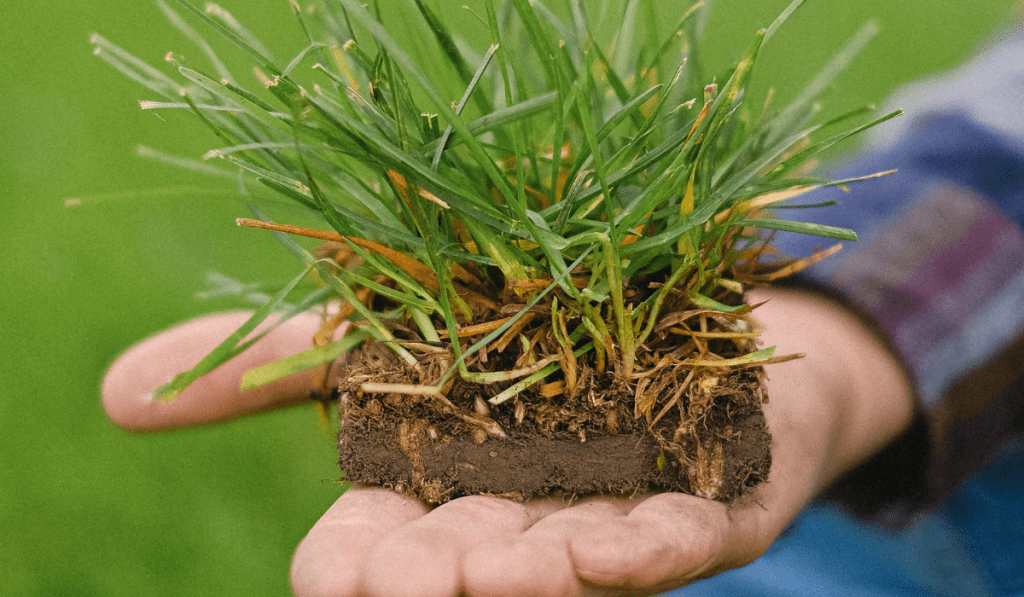
White grubs, the larvae of masked chafers (Cyclocephala spp.) and May beetles (Phyllophaga spp.), live below the soil surface and feed on grass roots. When grub damage occurs, it often appears as brown patches that peel back easily.
Grubs are a common issue in California lawns, but they don’t always require aggressive treatment. If you want to get rid of grubs naturally, focus on improving soil conditions and lawn health first.
Aerating compacted soil, avoiding overwatering, and encouraging beneficial soil organisms can help reduce grub populations before they cause severe damage.
A healthy lawn can handle a few grubs, but large numbers can quickly destroy roots. Firm, well-drained soil makes sod less attractive to grubs.
Billbugs
Billbugs (Sphenophorus spp.) are another frequent pest in California turfgrass, particularly in fescue, Kentucky bluegrass, and St. Augustine grass. Adults chew grass blades. Larvae tunnel into stems, weakening the plant. This damage results in dry, brittle grass and thin brown spots that resemble drought damage.
Bermuda and zoysia grasses handle billbugs better, but proper mowing and aeration still reduce the risk.
Sod Webworms and Lawn Moths
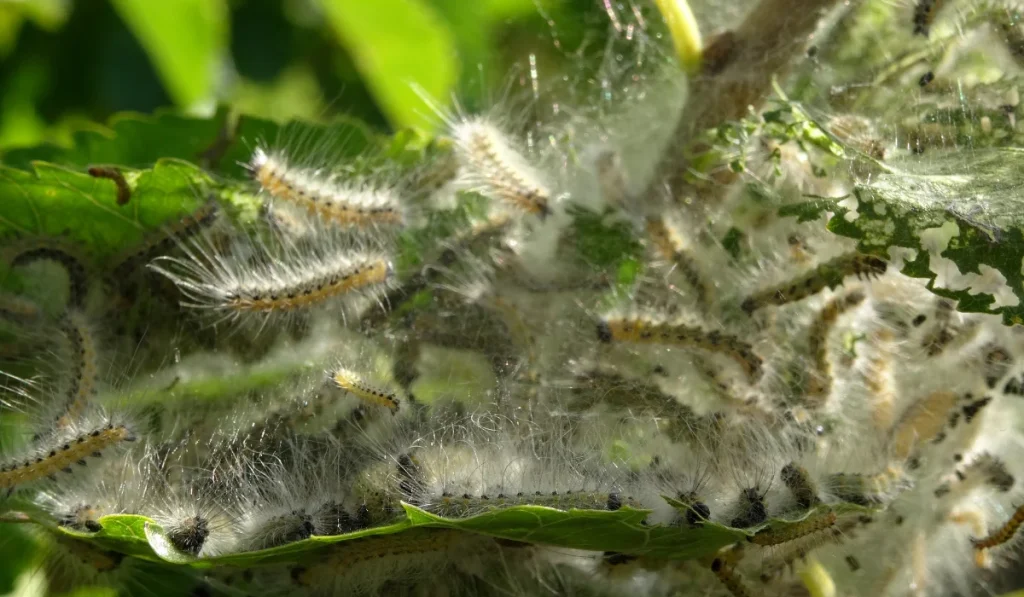
Sod webworms and their adult form, lawn moths (Crambus spp.), feed on grass blades and create small tunnels in the thatch. They’re common in new lawns and back yards with heavy thatch buildup. You may notice small moths flying up at dusk, which often signals that larvae are feeding overnight.
Because this damage can build gradually, many homeowners don’t notice it right away. If you want to get rid of sod webworms, start by addressing the conditions that allow them to thrive. Regular mowing, reducing thatch, and aerating the soil help expose larvae and limit their ability to hide and feed.
Armyworms and Cutworms
Armyworms (Spodoptera frugiperda) and cutworms (Agrotis ipsilon) are night-feeding caterpillars that can quickly devastate a new lawn. They chew through grass blades and stems, leaving wide brown patches. These caterpillars often appear after warm rains, especially in late summer.
Check your grass early in the morning for caterpillars or chewed blades. Natural methods can handle small infestations. Larger outbreaks often need professional help.
Chinch Bugs
Chinch bugs (Blissus insularis) thrive in warm, sunny areas of California, especially in fescue and St. Augustine grass lawns. They suck sap from grass blades, leaving yellow or brown patches that resemble overwatering damage. Compact soil and thick thatch make ideal environments for these pests.
If the grass feels spongy or if discolored areas spread fast, chinch bugs may be the cause.
If you are unsure what is harming your turfgrass, we can help identify pests and suggest lawn care steps.
Recognizing a Lawn Infestation Early
Finding pests early helps prevent severe lawn damage. Watch for these common signs of lawn pests:
- Brown spots that spread even after watering.
- Grass that lifts easily and shows larvae or white grubs underneath.
- Birds digging in your yard, often searching for grubs.
- Moths, beetles, or small caterpillars appear at dusk.
- Grass blades are chewed or cut near the soil.
These signs often indicate pests, but they can also indicate overwatering, weak soil, or fungal problems. Some homeowners treat lawns with fungicides when grubs actually cause the damage. Always confirm the cause before applying any treatment.
Preventing Bugs in New Sod and Existing Lawns
Watering Wisely
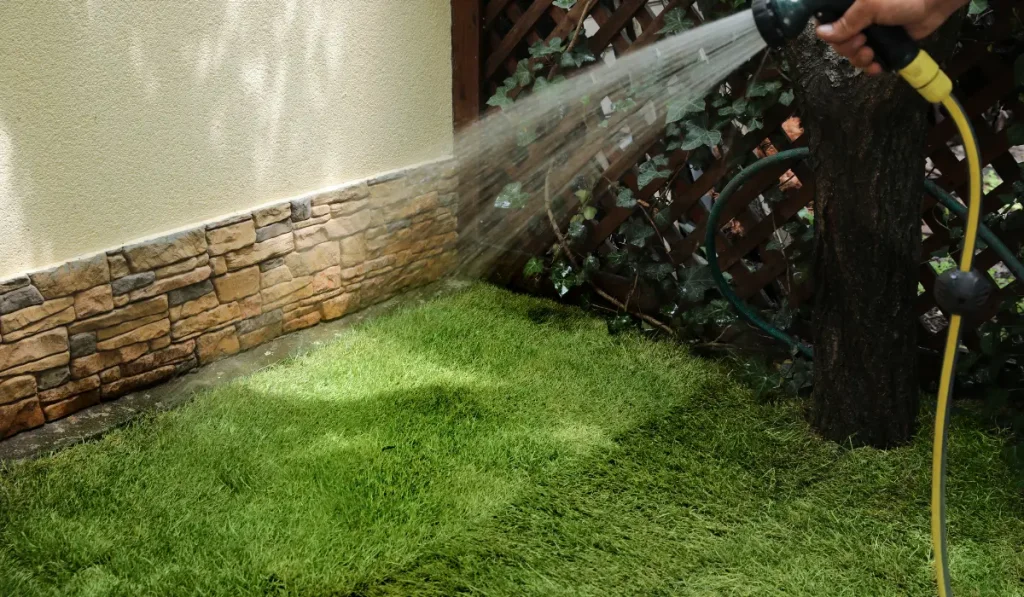
New sod needs steady moisture to establish roots, but too much water can attract pests. During the first two weeks, apply about one gallon of water per square foot. After sod establishes, water more deeply and less frequently to build stronger roots.
Avoid puddles and spread water evenly with sprinklers. Poor drainage and too much water often lead to grub problems.
Mow and Aerate Regularly
Proper mowing height helps lawns grow strong and resist pests. For fescue and other cool-season grasses, mow to about 2.5 to 3 inches. For warm-season grasses such as Bermuda or St. Augustine, mow at 1 to 2 inches.
Mow often to limit thatch, and aerate once or twice a year to loosen soil. Aeration allows air and nutrients to reach the roots and makes it harder for grubs and chinch bugs to survive.
Maintain Soil Health and Thatch Levels
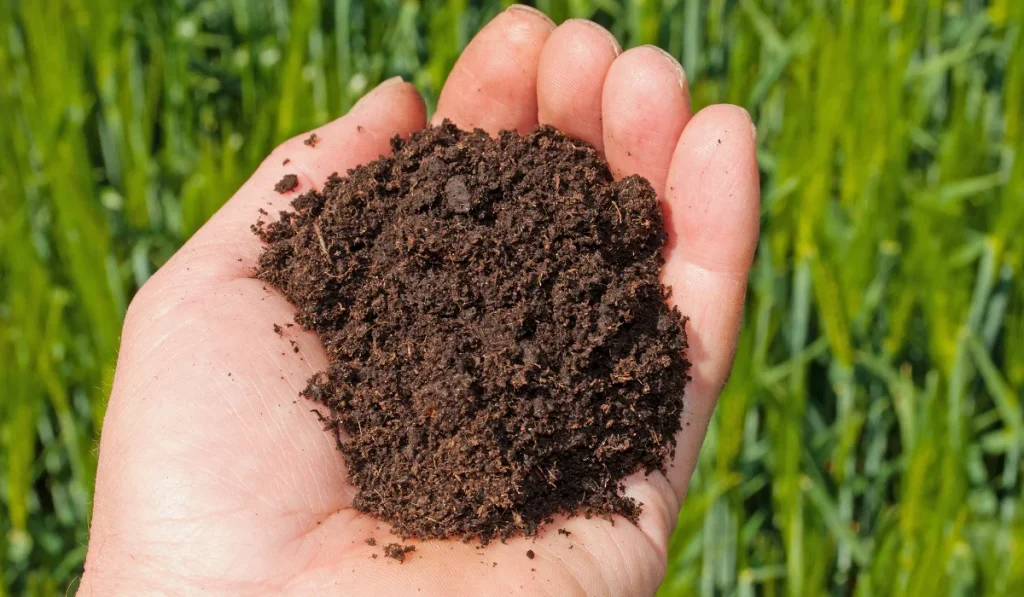
A healthy lawn system prevents most pest problems. Keep thatch under half an inch and add compost to support helpful soil organisms. These organisms, such as nematodes, help reduce larvae in the soil.
Good mowing and watering habits help lawns resist bugs.
At SodLawn, we help with sod installation and ongoing care to support healthy, pest-resistant lawns.
Managing Pest Problems the Right Way
Healthy lawn care and natural solutions control most lawn pests. When pest pressure rises, targeted pest control treatments become necessary. Choose turfgrass-specific methods and apply them only when needed.
Beneficial nematodes, milky spore, or microbial insect control products are effective alternatives that target larvae without harming earthworms or pollinators.
When grub or billbug infestations become severe, a professional may recommend treatments based on grass type and soil conditions. Do not use fungicides unless you confirm a fungal disease. Many homeowners blame fungus for brown patches when insects actually cause the damage.
In some cases, targeted herbicide or pest-control treatments may also be recommended to stop or reduce serious infestations. These applications should be used carefully and with environmentally responsible practices to protect surrounding plants, soil health, and local wildlife.
Consulting a lawn care professional helps ensure the correct product, timing, and application method are used.
Making the Right Lawn Care Choice for Your California Home
A long-lasting lawn starts with wise choices from the beginning. Paying attention to soil conditions, drainage, and early care helps reduce problems before they appear and supports steady growth over time.
At SodLawn, we offer locally grown sod suited to California conditions, providing homeowners with a strong foundation for a dependable lawn.
Contact us today to learn more about sod installation, lawn care, and pest prevention across California.
FAQs
How can I tell if my new sod in California has an infestation?
Look for wilting or brown patches that don’t recover after watering. If the sod lifts easily, you might have grubs or billbugs. Most sod from trusted California sod farms, like SodLawn’s partners, is pest-free at delivery.
What’s the best grass type for avoiding pests in California lawns?
Fescue, Kentucky bluegrass, and St. Augustine grass are popular in California, but proper care matters more than variety. Well-aerated soil and regular mowing prevent most pest issues regardless of turf type.
How do I protect my new lawn from caterpillars and chinch bugs?
Inspect your lawn regularly, especially during warm months. Keep thatch thin, water deeply but infrequently, and avoid over-fertilizing. If pests appear, contact a local lawn care professional for safe pest control options suited for California conditions.