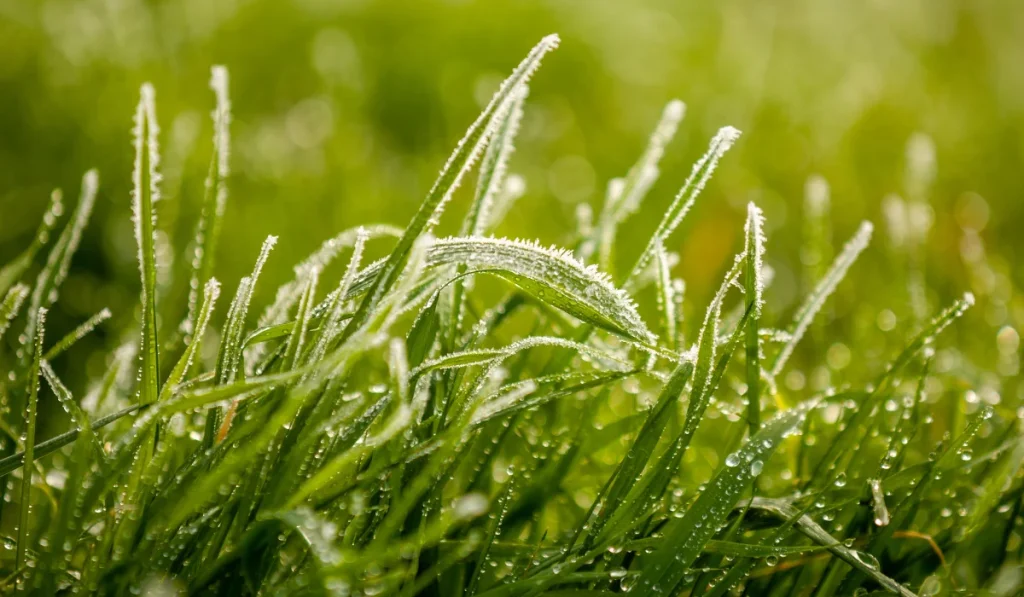
California has many winter climates. Some areas get frost often, while others only have cool mornings. Wherever you live, your lawn reacts to temperature changes. Knowing how much cold a California lawn can handle helps you protect it and keep it looking great through winter.
Winter temperatures change how fast your lawn grows and how green it stays. With the right sod and simple winter care, your lawn can stay healthy until spring.
This guide covers how grass types handle cold, how California’s climates affect lawns, and what you can do to keep grass healthy through winter. You’ll also learn which SodLawn sod types perform best when temperatures drop.
Key Takeaways
- Colder areas in California need grass with better hardiness.
- Cool-season grasses stay active longer in cold weather.
- Winter care includes careful mowing, tidying, and overseeding.
- Picking the right sod helps your lawn stay healthy year-round.
Choosing Cold-Season Sod for California’s Winter Months
Selecting the right California sod makes a big difference in how well your lawn can handle cold temperatures. Cool-season grasses tolerate California’s cooler months better than warm-season types.
Cool-season grasses are beneficial in Northern California, where mornings often fall into the 30s. They keep their color longer and handle cooler temperatures better than warm-season types, which slow down earlier.
Fescue is the most common cool-season grass in California. It grows well in many soil types and handles moderate shade better than warm-season grasses. Its strong roots help it stay steady through late fall and early winter, making it a popular choice for home lawns and landscaping projects. Bluegrass also performs well in colder areas, especially when mixed with fescue for a dense, durable lawn.
Cool-season grasses need less mowing and watering in winter because their growth slows naturally. Keeping clippings away from shaded areas prevents moisture buildup that can lead to thinning or disease.
If you want a lawn that handles California’s winter temperatures well, we offer cool-season sod blends designed for regions across the state.
How Different Grass Types Respond to Cold Temperatures
Different grass types react to cold in various ways. Cool-season grasses go semi-dormant; growth slows, but they remain green during the colder months, making them ideal for Northern California and other cool areas.
Warm-season grasses enter winter dormancy in most regions, especially inland. The roots stay alive and store energy for spring growth. Some warm-season varieties, such as TifTuf Bermuda, recover quickly in spring due to strong roots and drought tolerance.
Knowing how your grass behaves helps you know whether it will stay green or rest until spring. If your grass struggles in winter, we can help you find sod varieties suited to your region.
Winter Lawn Care Habits That Improve Cold Tolerance
Simple winter care habits help your lawn handle colder temperatures and stay strong until spring. These steps prepare your lawn for winter and support a healthy lawn during colder months.
As days shorten and grass growth slows, mow less often. Raise the mower height to protect the grass from frost and strengthen the roots. Taller grass also shields soil from temperature changes and helps retain moisture when the air is dry.
Trim trees and bushes in winter so more sunlight reaches your grass on cold days. Use mulch only in planting beds; too much on the lawn can trap moisture, creating soggy spots.
A soil test before spring helps you know what nutrients your lawn needs next. If you’re unsure about winter lawn care, we can help you choose sod that fits your region’s climate.
Overseeding To Maintain Color Through Winter
Overseeding helps keep your lawn green when warm-season grasses fade in winter. Many Californians overseed bermudagrass with ryegrass in late fall to keep their yards looking lively through the cooler months.
Ryegrass grows well in cool weather and stays green when bermudagrass goes dormant, keeping your yard bright and full during months when color usually fades.
When spring warms the soil, ryegrass fades, and bermudagrass fills in, creating a smooth green lawn for warmer months. Cooler regions should overseed earlier to give new grass time to grow before winter.
Warmer areas can wait longer. Mow slightly shorter before overseeding to help seeds reach the soil, and lightly mow afterward to help new grass stand upright.
Making the Right Winter Lawn Choice for California Homeowners
California’s winters vary across the state, but with the right sod and care, your lawn can stay healthy all season. Choosing the best grass for your region, such as cool-season for steady winter growth or warm-season for vibrant summer color, sets your yard up for long-term success.
At SodLawn, we provide sod suited to California’s diverse climates, helping homeowners grow strong, green lawns year-round.
Contact us today to learn more about preparing your lawn for winter and finding the right sod for your area.
FAQs
How cold can California lawns get before they start to struggle?
Most lawns begin to stress when temperatures drop into the low 40s. Cool-season grasses in colder parts of California stay active longer, while warm-season grasses slow down.
What is the best grass for the colder regions of California?
Fescue performs best in colder areas of California. It stays green longer in winter and handles cooler temperatures well.
Does overseeding help keep California lawns green in winter?
Yes. Overseeding with ryegrass keeps lawns green during winter when warm-season grasses go dormant in many parts of California.