A thick, healthy lawn does more than look nice. It holds topsoil in place, supports erosion control, and reduces runoff during heavy rain. In many California neighborhoods, that matters a lot during the rainy season, especially on hillsides and other erosion-prone areas.
Webworms can break that protection fast. They feed on grass blades near the soil surface, leading to bare patches and thinning turf. As the turf opens up, you may start seeing exposed soil and bare soil in spots that used to be solid ground cover. That can lead to soil erosion and loss when water flows across the yard.
If you act early, you can stop the damage and restore root systems before the problem spreads. Use the steps below to identify webworms, confirm them in minutes, and apply effective solutions, such as replacing damaged areas with fresh sod, to help your lawn recover year-round.
Key Takeaways
- Webworms can create bare patches that expose soil and raise the risk of soil erosion.
- Quick checks can confirm webworms before turf loss gets worse.
- Strong lawn care habits like mowing and aeration speed up recovery and root growth.
- Repairing damaged areas with sod or grass seed restores ground cover and improves retention.
Spot Webworms Fast In Your Lawn
Compaction, overwatering, and heavy foot traffic often stress lawns and create conditions that favor webworms. Before you think about bigger landscaping changes, start by looking for the signs below. These clues often appear before the damage spreads into wider erosion control problems.
Brown or Thinning Grass Patches
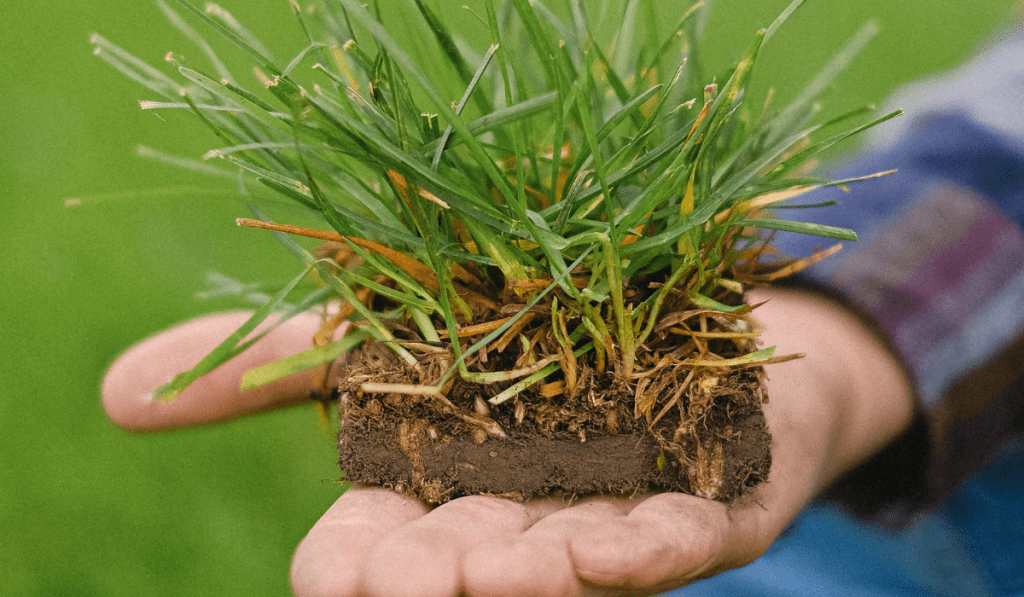
Webworm damage often starts as uneven, brown, thinning turf. These areas may resemble drought stress, but webworms chew the grass blades close to the ground. As the feeding continues, the grass opens up into bare patches that can turn into exposed soil.
Once you see bare soil, the risk changes. During heavy rainfall, water can move faster across those thin spots, carrying topsoil downhill. On slopes, that water movement can cause soil erosion, especially near gutters where roof runoff concentrates. You may need to use erosion control methods over time to protect those weak areas.
Silk Webbing and Lawn Debris Buildup
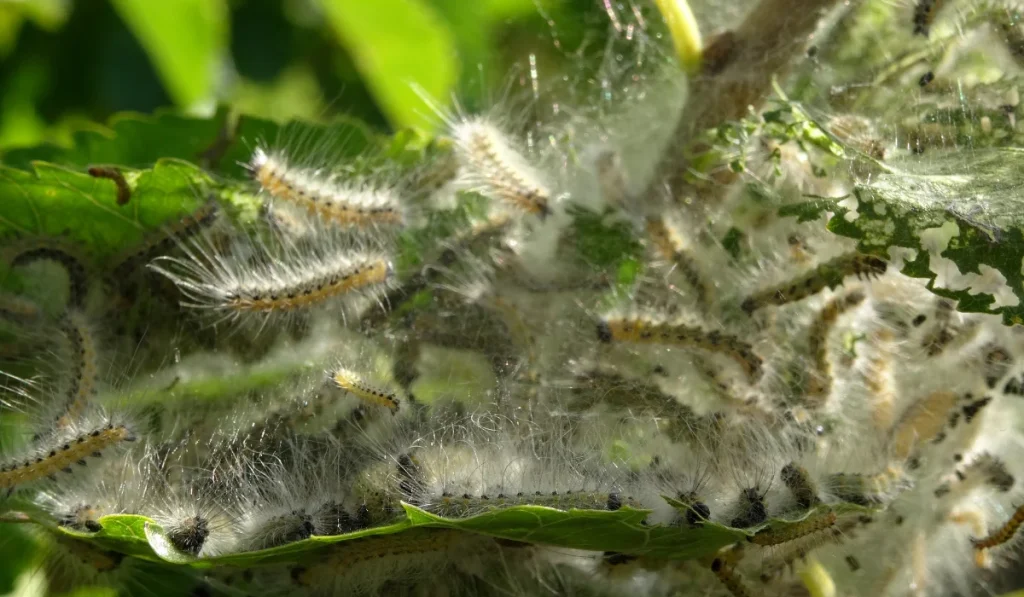
Webworms create light webbing near the soil surface. The webbing catches clippings after mowing and grabs bits of mulch and other organic matter. That buildup can look like messy thatch, but it often sits in small tunnels or mats.
This is easier to see early in the morning when dew sticks to the threads. If you spot webbing in the same area more than once, treat it as a strong sign that webworms are active.
More Birds and Small Animal Activity
Birds often hunt webworms. If you notice birds pecking in the same section of lawn each morning, they may be feeding on larvae just under the grass. You may also see small, disturbed spots where animals pulled at the turf.
This matters because repeated digging can widen bare patches. It also weakens ground cover, which makes erosion control harder in landscaping areas near retaining walls, swales, or rain gardens designed to slow runoff.
Confirm It’s Webworms in Minutes
Once you see suspicious damage, use these quick checks to confirm webworms. These steps are simple and can help you decide whether you can correct this with basic lawn care or if the turf needs repair.
Do a Quick Soap Flush Test
A quick soap flush test is an effective technique for monitoring insects in thatch, leafy areas, and your lawn’s soil profile, according to the North Carolina University Extension. Mix a small amount of mild dish soap into a watering can and soak a small section of damaged grass. Within a few minutes, webworms often come to the surface.
This works well in compacted soil where pests hide low. If your lawn has compaction from frequent foot traffic, the soap flush can reveal activity that a glance would miss.
Check the Soil Surface and Topsoil Line
Part the grass and look right at the soil surface, where grass meets the topsoil. Webworms tend to stay close to the ground, especially in areas that stay damp from overwatering or uneven sprinklers.
Pay extra attention to spots where excess water collects, because poor drainage systems can keep turf wet for long periods and stress the grass. According to the University of Georgia, overwatering weakens lawns by creating shallow roots and increasing problems such as disease, weeds, thatch buildup, and insect damage. If you see standing water, you may need to install solutions such as French drains to drain water away from your lawn.
Look for Ragged Grass Tips After Mowing
Healthy mowing leaves a clean cut. Webworms leave ragged, shredded tips. Check the grass right after mowing, especially around the edges of the damaged area.
Also, look for patterns. If the damage appears in clusters near the same watering zones, sprinklers may be creating uneven moisture, which can weaken turf and slow recovery.
Get Rid of Webworms Fast
Act quickly to get rid of webworms. Stop feeding, protect the soil, and restore strong root systems with the steps below.
Tighten Up Mowing and Cleanup
Keep mowing consistently, and make sure your mower blade is sharp. A clean cut helps grass recover, while a dull blade adds stress. Bag or rake up heavy clippings if you notice heavy buildup, since that can shelter pests and hold moisture near the surface.
Consistent mowing also helps turf stay thick, which improves erosion control by keeping ground cover intact. That matters most on hillsides and other erosion-prone areas where water flow can cut channels through thin turf.
Use Aeration to Fight Compaction and Speed Root Growth
Aeration is one of the best ways to help a stressed lawn bounce back. It reduces compaction, opens up compacted soil, and helps water and oxygen reach the roots. That supports root growth and helps turf develop deep roots that hold soil in place.
Aeration also improves soil fertility by helping organic matter break down more evenly. Better soil structure supports stronger root systems, which help the lawn resist future stress year-round, including the swings between dry weather and heavy rainfall.
Fix Water Movement and Drainage Trouble Spots
If parts of your lawn stay soggy, webworm damage can linger because grass struggles to recover. Check gutters and downspouts first, since they can direct water into a single area, causing runoff.
For recurring wet zones, consider drainage systems that guide water away from turf. Swales can redirect water flow across the yard, and French drains can carry water below the surface. Better drainage improves retention where you want it, reduces excess water where you do not, and lowers the chance of soil loss in low spots.
Repair Bare Patches With Sod or Grass Seed
If webworms have already created bare patches, repair them quickly so exposed soil does not wash away. For fast coverage, sod gives instant ground cover and helps stabilize topsoil. For smaller areas, grass seed can work well, though it takes longer and needs steady watering to support planting grass.
To support recovery, light fertilizers can help new grass fill in, especially after aeration. Keep application rates reasonable, and follow the product label. Strong turf recovery also pairs well with smart landscape design, such as keeping mulch in beds, using native plants and perennials in borders, and building rain gardens that manage runoff without flooding the lawn.
SodLawn can supply sod, grass seed, fertilizers, and the tools you need to complete repairs cleanly and keep your lawn care routine on track.
Book a Lawn Inspection for Rapid Treatment
Webworms can quickly turn a healthy lawn into patchy turf. As they feed on grass blades, thin areas become bare patches, exposing soil. When grass coverage disappears, your lawn becomes more vulnerable to runoff and soil erosion during heavy rain, especially near slopes, gutters, and drainage paths.
SodLawn helps California homeowners repair damaged lawns with high-quality sod, grass seed, fertilizers, and reliable lawn care tools. These products help rebuild strong ground cover, improve root systems, and support healthier turf after pest damage.
If webworms have started damaging your lawn, taking action early can prevent larger repairs later. Contact us today to get the right materials and guidance to restore your lawn and protect your landscaping before the rainy season.
FAQs
Can webworms cause erosion problems in California yards?
Yes. Webworms can create bare patches that expose soil and reduce ground cover. When heavy rainfall hits, exposed soil is more likely to wash away, especially on hillsides or other erosion-prone areas. Restoring turf and improving water flow with drainage systems helps reduce soil loss.
Will aeration help a lawn recover after webworm damage?
Aeration can help a lot, especially if compaction is part of the problem. By opening compacted soil, aeration improves root growth and helps water and nutrients move into the ground. It also supports soil fertility and can help new sod or grass seed establish more evenly.
Should I use sod or grass seed to fix webworm bare patches?
It depends on your timeline and the size of the damage. Sod provides instant ground cover and helps protect topsoil quickly. Grass seed can work for small areas, but it takes longer and needs consistent watering. Either option is stronger when paired with good mowing and balanced fertilizers.