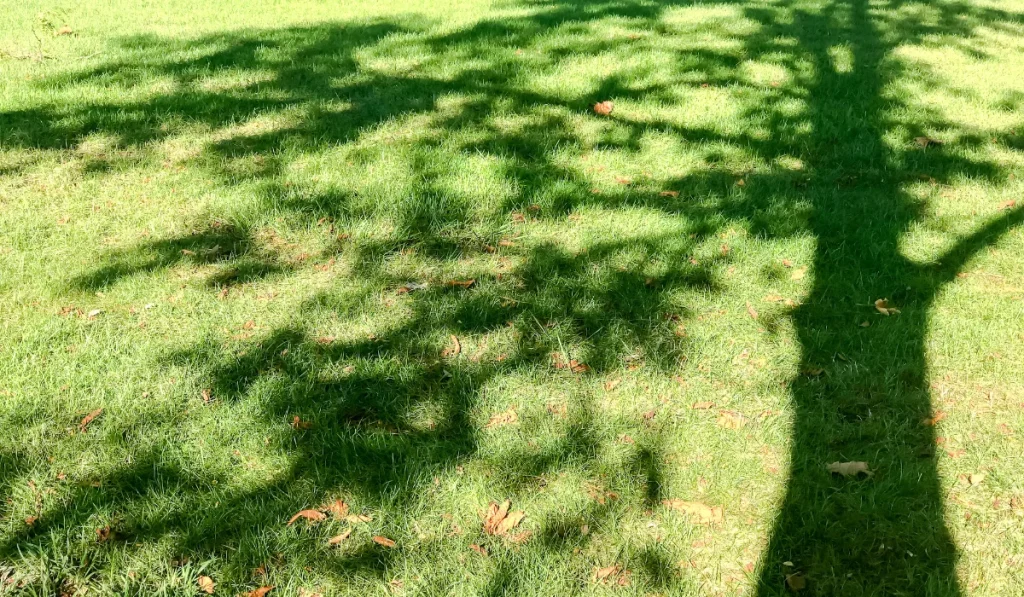
In California, most backyards have both sunshine and shade. Trees, fences, and homes can provide shade that cools outdoor spaces, but excessive shade can weaken your lawn. Many homeowners notice thin grass or yellow patches in areas that get little sun. So, can shade kill grass in California backyards? Yes, shade can kill grass if you choose the wrong type or fail to adjust lawn care for low light.
Across California, from the coast to the Central Valley, the balance of sun and shade affects how well sod grows. Grasses that require direct sunlight struggle in shade or near tall walls. Shade-tolerant sod can grow well in cooler, low-light areas with proper care.
This guide explains how shade affects grass, which shade-tolerant sod varieties perform best in California, and how to care for shaded lawns year-round.
Key Takeaways
- Shade can kill grass in California when it does not receive enough sunlight to develop strong roots.
- Shade-tolerant grasses such as tall fescue, fine fescue, and St. Augustine grow best in partial shade.
- Pruning, aerating, and overseeding help grass stay healthy in shaded areas.
- SodLawn offers shade-tolerant sod varieties grown for California homes and local conditions.
Understanding Sunlight Levels: Full Sun vs. Partial Shade
Each type of grass needs a different amount of sunlight. Knowing how much sun your lawn gets helps you choose the right grass and avoid future problems.
A lawn that receives at least six hours of direct sunlight each day is considered a full-sun area. Warm-season grasses such as bermudagrass, zoysia, and hybrid Bermuda grow best in full sun. These grasses handle California heat well with regular watering. However, they weaken quickly when trees or buildings block sunlight.
Areas with four to five hours of filtered sunlight can support shade-tolerant grass types, though growth will be slower than in full sun. Cool-season grasses such as tall fescue and fine fescue tend to perform better in these conditions, especially in coastal California, where temperatures stay moderate.
While these grasses have deep root systems that help them handle warm summers and mild winters, lawns in shaded areas will have lower traffic tolerance and benefit from lighter use.
You can also mix sod or grass seed to match the sun and shade in different parts of your yard. If you are unsure which sod fits your backyard’s sunlight, we can help you choose a suitable option for your home.
How Shade Affects Grass Growth in California Yards
Grass depends on sunlight for photosynthesis, the process that produces the energy it needs to grow. According to a study from the University of California Environmental Horticulture Adviser, most turfgrasses require 4 to 5 hours of full sun every day or a full day of filtered light.
When trees or structures block too much sunlight, grass struggles to produce energy, resulting in weak turf and shallow root systems. In shaded areas, soil often remains damp, increasing the risk of fungal or moss growth.
Bermudagrass, a popular warm-season grass, requires full sun to stay lush. When planted in shady areas, it thins out and becomes patchy. In contrast, fescue grass varieties tolerate shade better and maintain green color with fewer hours of sunlight. Because fescue does not thrive but tolerates some shade, homeowners in northern and coastal California often choose it for yards with uneven light.
Another common issue is competition between tree roots and grass roots for water and nutrients. When tree roots dominate the soil, grass grows more slowly and becomes less dense. Light pruning of tree branches and consistent lawn care can reduce this problem and improve air circulation.
If shade has already thinned your lawn, we can help you replace or repair affected areas with premium sod blends made for shaded and sunny zones.
Best Shade-Tolerant Grasses for California Backyards
The best grass for your shaded backyard depends on your region, soil, and the amount of light the area receives. California’s diverse climate means homeowners often mix warm and cool-season grasses for balanced growth.
- Tall Fescue: This versatile cool-season grass thrives in partial shade and stays durable during droughts. Its deep root system makes it a favorite among homeowners seeking a low-maintenance, healthy lawn.
- Fine Fescue: Ideal for shady areas, fine fescue’s thin blades form a soft, dense carpet. It grows well under trees and in cooler coastal climates.
- St. Augustine Grass: A warm-season option that tolerates moderate shade better than most turfgrass types. It produces a coarse, carpet-like appearance and recovers well from foot traffic.
- Perennial Ryegrass: Commonly used for overseeding, perennial ryegrass germinates quickly and helps repair thin areas during cooler months.
- Bermudagrass (TifTuf or Hybrid): Best for full sun areas but can handle light shade in warmer inland regions. It’s durable, drought-tolerant, and a strong choice for active backyards with heavy foot traffic.
You can grow these grasses from stolons (Bermuda and St. Augustine) or grow them from seed (fescues and ryegrass). Always choose sod grown for California soil and climate for better long-term results. At SodLawn, we offer shade-tolerant sod grown on California farms to match local conditions.
Common Shade Problems and How to Fix Them
Shade affects grass by limiting sunlight, trapping moisture, and raising disease risk. Homeowners often see similar problems in shaded lawns.
- Thinning Grass: Overseed shaded areas each spring or fall using a shade-tolerant grass seed mix. Overseeding adds new growth that fills thin spots and strengthens root systems over time.
- Moss and Fungus: Improve air circulation by pruning and regularly aerating the area. Removing fallen leaves or debris helps sunlight filter through and keeps turfgrass dry.
- Tree Roots: Tree roots near the surface compete with grass for nutrients. Add mulch around the base of trees and keep sod several inches away from trunks to prevent root stress.
- Scalping: Mowing too low in shaded areas reduces leaf surface, preventing grass from absorbing sufficient sunlight. Adjust your mower height to 3-4 inches for most cool-season grass varieties.
With regular pruning, deep watering, and aeration, shaded lawns can stay green year-round.
How to Maintain a Shaded Lawn
Maintaining a lawn in shaded conditions requires patience and consistent care. Shade-tolerant grass still needs light, water, and nutrients, just in the right balance.
- Watering: Shaded lawns require less frequent watering because the soil retains moisture longer. Water early in the morning to prevent fungus and reduce evaporation.
- Mowing: Mow less often and keep blades sharp. Taller grass blades increase photosynthesis in shaded lawns.
- Fertilizing: Apply slow-release fertilizer during the growing season. Avoid overfertilizing, which can lead to excessive growth and weaken root systems.
- Aerating: Shaded lawns benefit from annual aeration. This process reduces soil compaction and improves drainage, helping turfgrass roots grow deeper.
- Pruning: Regular pruning of shrubs and trees increases airflow and light penetration, promoting healthier grass growth beneath.
Maintaining shaded lawns doesn’t require special tools, just careful adjustments to your regular lawn care routine.
According to a study from the University of California, pruning within 8 feet of the ground to allow direct sunlight to reach the turf during the early morning and late afternoon can help keep your shaded lawn healthy.
When to Replace Grass With Sod or Ground Cover
If shaded areas stay bare despite proper care, grass may no longer be the best option. Heavy foot traffic, deep shade, and dense tree roots can impede turf growth.
In these areas, replace grass with shade-tolerant sod or ground cover. Creeping red fescue, clover, and dwarf mondo grass work well in deep shade. These options require less mowing and better handle moisture.
Before installing new sod, remove debris and lightly aerate the soil. Choose sod that matches the look and growth pattern of the rest of your lawn for a clean appearance.
Making the Right Choice for Your California Backyard
Shade doesn’t have to mean giving up on a healthy lawn. With the right combination of sod, maintenance, and sunlight management, you can keep your yard green and inviting year-round. Whether your backyard has full sun, partial shade, or moderate shade, choosing the right grass type makes all the difference.
From tall fescue for shaded patios to bermudagrass for sunny play areas, our team at SodLawn supplies the best sod for every light condition. We design our California-grown turfgrass blends to handle drought, shade, and the challenges unique to our state’s climate.
Contact us today to find the perfect shade-tolerant sod for your California backyard and enjoy a healthy lawn that thrives in any light.
FAQs
What is the best sod for shaded California yards?
Tall fescue and fine fescue are excellent for shaded backyards. They’re cool-season grasses that stay green with partial sunlight and need less watering than other turf types.
Can Bermuda grass grow in the shady areas of my California lawn?
Bermudagrass needs full sun and will thin in shaded spots. For partial shade, choose tall fescue or St. Augustine grass, which tolerate lower light while maintaining dense growth.
How can I help my grass grow under trees in California?
Trim tree branches, prune overgrown shrubs, and aerate the soil around tree roots. These steps increase airflow and sunlight, which helps shade-tolerant grass seed or sod grow stronger and healthier.