If you’ve installed new sod in Southern California and notice a strong smell, don’t worry. Many homeowners deal with this. The odor makes the yard hard to enjoy. It often means your lawn needs better air flow or drainage.
Most bad smells come from trapped moisture. When new sod stays too wet, it creates the perfect setting for odor-producing bacteria. Southern California’s heat speeds this up, especially right after installation. In warm areas like Los Angeles, Orange County, and Riverside, these problems can develop quickly after watering or rain.
The good news is that you can eliminate the smell with simple care, aeration, and improved drainage. Below are the common causes and their corresponding solutions.
Key Takeaways
- Poor drainage and standing water are among the most common reasons sod smells bad. When water sits for too long, the roots lose their air supply, and bacteria begin to grow.
- Pet waste and excess organic matter also contribute to odors. In wet soil, they break down and emit foul odors.
- Aerate, mow, and care for the soil to limit thatch. These steps help keep grass healthy and reduce the likelihood of odors.
- In Southern California, improve drainage and adjust watering times to keep your lawn drier and smelling fresh.
Understanding Why New Sod Smells Bad
New sod can have a bad smell when it stays rolled up for too long at the farm or during delivery. Tight rolls trap moisture. Anaerobic bacteria produce hydrogen sulfide gas, which has a distinct, rotten-egg-like odor.
After you lay the sod and let it breathe, the smell should fade within three to seven days. Following proper new sod care practices during this period helps the grass root faster and prevents odor from returning. If it persists, your soil likely has poor drainage, or water is accumulating under the sod.
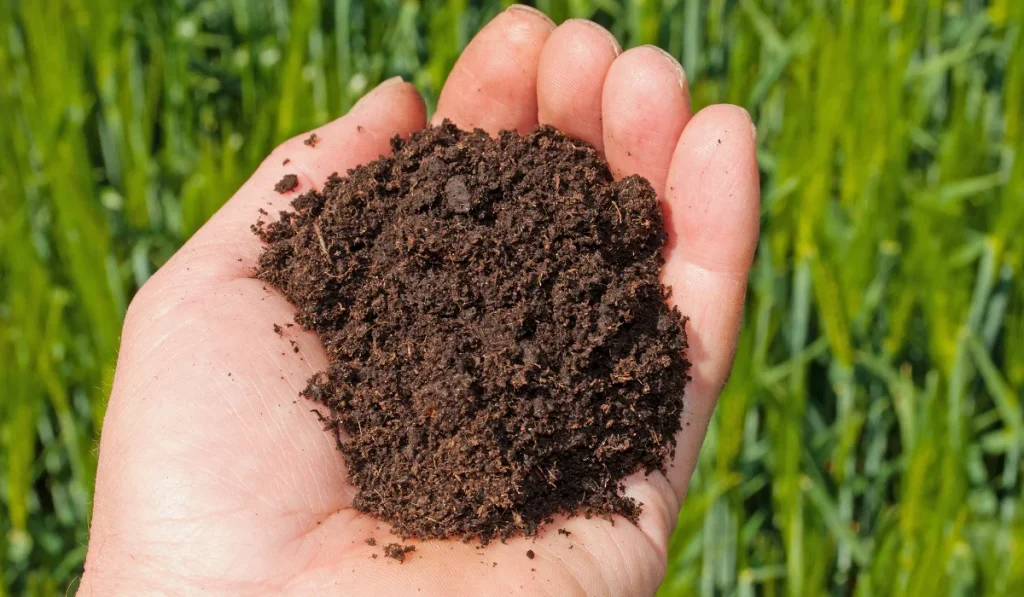
One of the most common soil types for lawns in Southern California is clay soil. However, it doesn’t drain well, which can lead to puddles and stagnant water under your new grass.
Poor drainage leaves the soil soggy, slowing rooting and prolonging the odor. You can usually spot poor drainage in clay soil by checking if the same patches stay wet long after watering.
Poor Drainage and Its Role in Bad Odors
Poor drainage is a top cause of smelly sod. When water cannot drain, oxygen levels drop, and anaerobic bacteria grow, releasing foul-smelling gases.
If your yard has clay soil or low spots that collect water, the soil can fill up fast after watering or rain. You can improve lawn drainage before installing sod by breaking up compacted soil and using the right base layers. Proper preparation during installation helps prevent drainage and odor issues later.
Old roots or debris buried under new sod can trap moisture, especially in clay soils. Removing leftover organic material before installation prevents this. Before laying sod, loosen compacted soil so water can drain instead of pooling under the turf.
In Southern California, prolonged irrigation cycles worsen the issue. Shorten watering times and improve drainage. Add gravel, sand, or a French drain to move water away and keep the sod fresh.
Organic Matter and Buildup Beneath the Surface
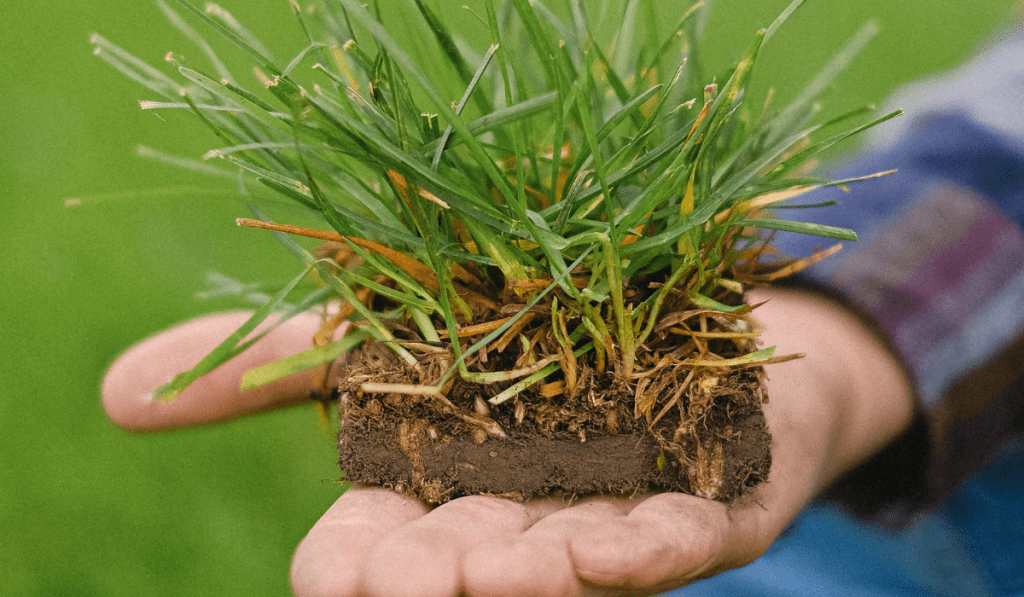
Excess thatch or leftover yard waste under your lawn can smell when it stays wet. A quick rake before watering and seasonal aeration help prevent this buildup.
Aeration opens the soil, allowing water to drain faster and odors to fade. It also helps roots grow stronger. If you understand why, how, and when you should aerate your lawn, it becomes easier to keep the soil loose and oxygen flowing to the roots. It also helps dry out wet spots and reduces the buildup that leads to smells.
Aeration benefits Bermuda and zoysia lawns, which need good air and drainage. Fescue also responds well to aeration but grows best in cooler months. For new homes, plan to aerate after a few months to allow the soil to settle and breathe.
Pet Waste and Artificial Turf Odors
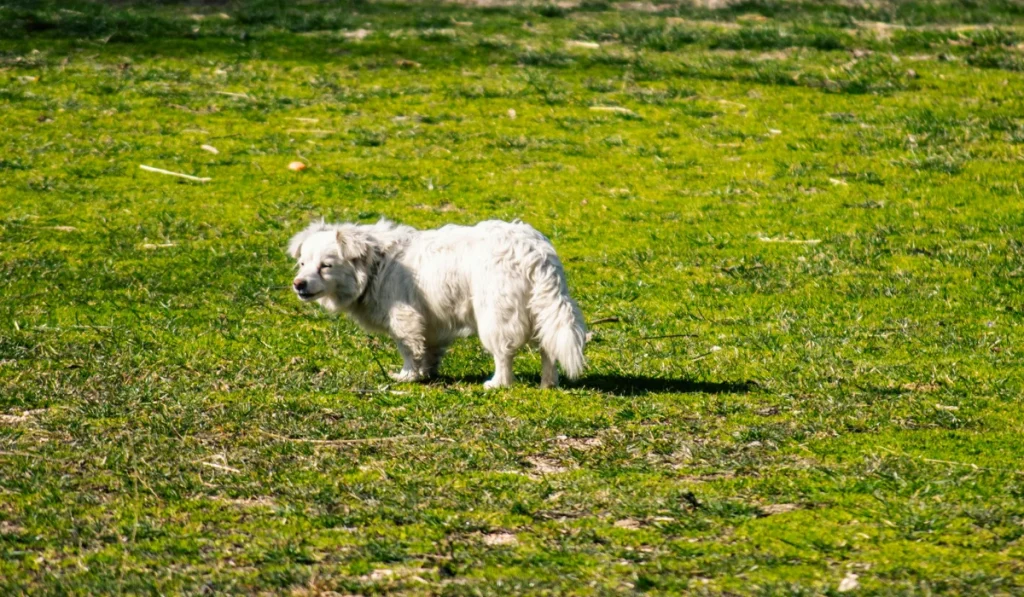
Sometimes the smell is not from the sod. Pet urine and waste can seep into the grass and soil, causing an intense, septic-like odor.
Many dog owners make the mistake of replacing natural grass with artificial turf, believing that it’s better. However, when artificial turf is not rinsed regularly, odors accumulate in the infill. The smell of pet waste will linger until the artificial turf gets thoroughly cleaned.
Use an enzyme cleaner to break down waste and remove odors. Rinse areas pets use often, and follow lawn care tips for dog owners to help your grass recover naturally from pet use. Many homeowners opt for natural sod, such as Bermuda or fescue, because it drains more effectively and handles pet waste more naturally.
Stagnant Water and Septic System Leaks
If your yard smells like sewage, you may have standing water or a septic leak. The smell will not go away until you fix the source.
You can check your lawn for sewage spills by looking for puddles that stay wet long after you’ve stopped watering. Lush grass over your septic area may point to a leak or overwatering. If you also notice soggy soil or foul odors, call a plumber or landscaper.
If the soil near your lawn feels soggy and smells unpleasant, consider calling a landscaper or plumber to check for leaks.
Fixing the problem quickly protects your grass and keeps your outdoor space clean.
Maintenance Tips to Prevent Bad Odors
Maintaining basic lawn care is the best way to prevent odors. In Southern California, try these steps:
- Mowing often helps remove grass that could rot. Don’t leave big piles of clippings.
- Aerate warm-season lawns like Bermuda or zoysia in late spring or early summer, and cool-season grasses like fescue in fall.
- Avoid overwatering. Your lawn usually needs only a few deep waterings each week.
- Keep mulch and plant beds dry and not too thick, as damp mulch can have an unpleasant odor.
- For artificial turf, rinse it frequently and use an enzyme spray on the infill to keep it clean.
These small steps will keep both new sod and artificial grass fresh and odor-free.
Comparing Sod and Artificial Grass Odor Control
Both real sod and artificial grass need care to stay clean, but they handle odors very differently. Natural sod works in harmony with the environment to stay fresh. The soil under the grass absorbs water and naturally filters out bacteria. These factors make natural grass better than artificial turf. Sunlight and airflow also help dry the surface, reducing bad odors before they spread.
Artificial turf does not absorb water. Moisture stays on top or in the infill and can smell, especially with pets. Rinse often and use an enzyme cleaner to remove waste.
Real sod, such as Bermuda or fescue, breaks down organic matter and can remain fresher with routine care. Artificial turf can heat up in the intense Southern California sun, especially when using rubber infill, which can amplify odors if not properly cleaned.
Some homeowners use small turf sections alongside real grass areas to balance aesthetics with easier drainage.
How Landscaping Choices Affect Drainage
Landscape design affects drainage and odors. Lawn shape, walkways, and beds guide how water moves. If water cannot flow away, it pools, causing soggy soil and unpleasant smells.
If areas stay damp, reshape the soil or add small gravel trenches to guide water away. In Southern California clay, even a slight slope can help.
Aerate and check your sprinklers to avoid overwatering. Good drainage allows air to reach the roots and prevents standing water. With zoysia, fescue, or Bermuda, drainage keeps lawns healthy and fresher all year.
Making the Right Lawn Care Choice for Your Southern California Home
A fresh, clean lawn depends on the right balance of airflow, drainage, and steady care. Choosing sod suited for Southern California’s warm, dry climate helps prevent future odor or moisture problems.
At SodLawn, we offer high-quality sod, locally grown for lasting results in your specific soil and weather conditions. With the right grass type and simple maintenance, your yard can remain green, clean, and healthy throughout the year.
Ready to refresh your lawn? Contact us today to get expert guidance on the best sod for your home and conditions.
FAQs
Why does my new sod smell bad after installation?
New sod may smell unpleasant if growers roll it up for too long or if moisture becomes trapped beneath it. The odor usually fades once the sod roots and the soil dry out.
Can pet urine cause foul odors in sod or artificial turf?
Pet urine is one of the quickest sources of lawn odor. An enzyme spray helps break it down. Rinsing the area and using an enzyme cleaner helps remove the smell from both real and artificial grass.
How can I prevent poor drainage and odor problems in my Southern California lawn?
Improve drainage systems, aerate regularly, and avoid overwatering to maintain healthy growth. Adjust irrigation to prevent puddles and ensure air reaches the roots, helping prevent foul odors.