Cool and damp winter weather can slow lawn growth in many parts of California. Extra shade and moisture make it easier for problems to appear, especially if certain areas stay wet for long periods.
If you notice changes in color or texture during winter, it can signal early disease activity.
Catching changes early helps protect your lawn through the cooler months. This guide highlights the simple signs to watch for and the habits that support healthy grass during winter. You will also learn when treatment makes sense and how choosing the right turfgrass can help your lawn stay more stable from season to season.
Key Takeaways
- Winter lawn diseases in California spread more quickly in wet conditions, under shade, and with poor drying.
- Right-height mowing, balanced feeding, and clean cuts help protect grass blades and reduce lawn damage.
- When disease pressure rises, a fungicide can play a role alongside good maintenance.
- Strong, well-adapted turfgrass varieties give you a better chance at a healthy lawn all season.
What Winter Disease Looks Like On Your Lawn
Winter damage often shows up as odd marks on the grass, such as blotches, thinning areas, or patches that look water-soaked after rain.
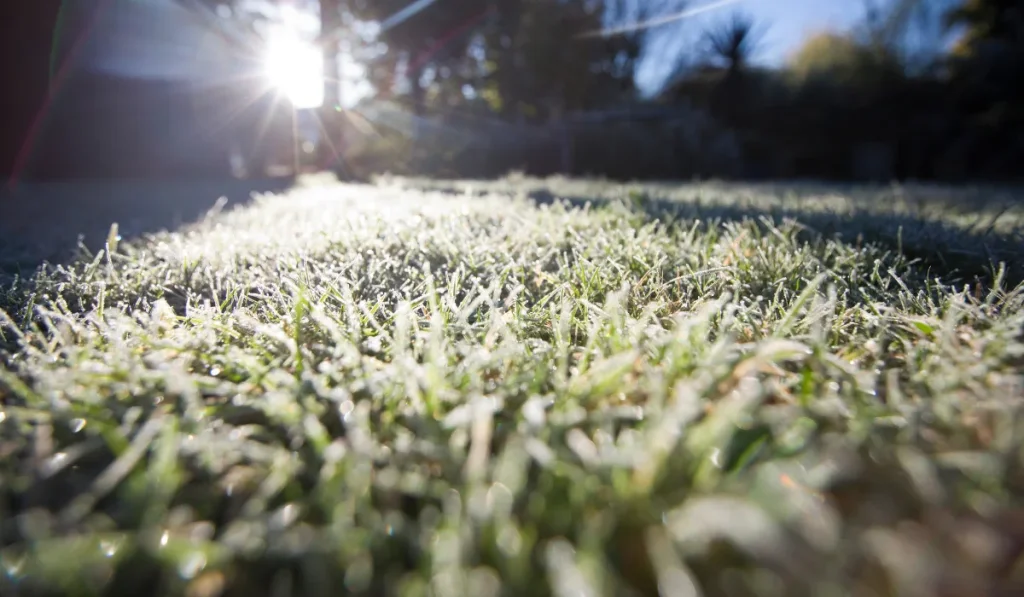
You may also see early-morning mycelium that looks like cotton or a slimy layer during very damp weather. When lawns stay wet and shaded for too long, fungal growth has more time to develop.
Common cool-season problems in California include red thread during cooler, humid periods; Helminthosporium leaf spot in cool, moist weather; powdery mildew in shaded, damp areas; and cool-season brown patch (yellow patch), which appears during cold, wet conditions and occasionally under light snow in higher-elevation regions.
Fungal activity often becomes more apparent after extended periods of damp weather or in shaded areas. Morning inspections help you spot moisture-related symptoms before they disappear.
Why Winter Encourages Trouble
Cool air and shade slow grass growth, and soil moisture often stays high. This mix can stress the grass, making it easier for disease to start. Many lawns also have a layer of thatch that holds water near the surface.
Thatch thicker than half an inch traps moisture and increases fungal activity. Light dethatching during active growth can lower this risk. Feeding too much at the wrong time can cause soft growth that is easy to damage and more prone to disease.
When moisture is constant, lawns can be more vulnerable. A simple focus on balance, steady mowing, careful watering in winter, and moderate feeding keeps organic matter moving and limits soft growth.
Adding seasonal aeration can also help reduce surface moisture and improve airflow. Good habits don’t guarantee zero issues, but they help keep the lawn resilient throughout the season.
How To Identify Lawn Problems During Winter in California
You do not need to know every scientific name to manage problems well. Watch for simple cues:
- Color changes: A well-fed lawn looks lean and green in season. Off-colors or sudden fading can flag stress.
- Texture changes: Slimy areas, matted spots, or a dusty coating may indicate a fungal disease.
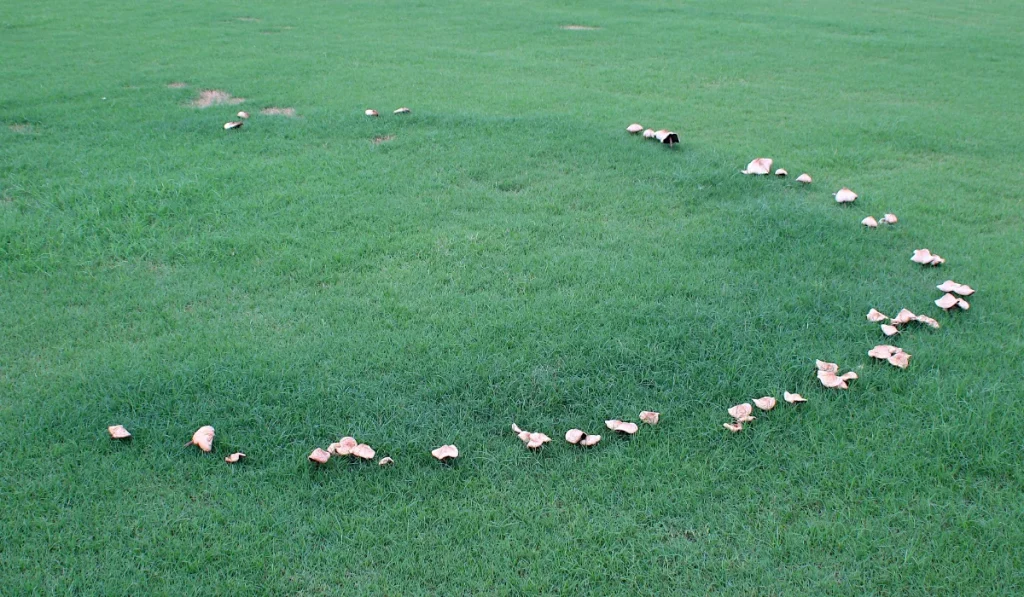
- Patterns: Circular patches, rings, or a dead spot that expands may signal disease activity or conditions favoring it.
- Blade details: Disease or dull mower blades can cause lesions along leaf blades or tips that shred.
Cool-season and warm-season grasses behave differently in winter. Choosing the right turfgrass for your yard helps the lawn stay steady when moisture lingers.
Daily And Weekly Habits That Protect Your California Lawn in Winter
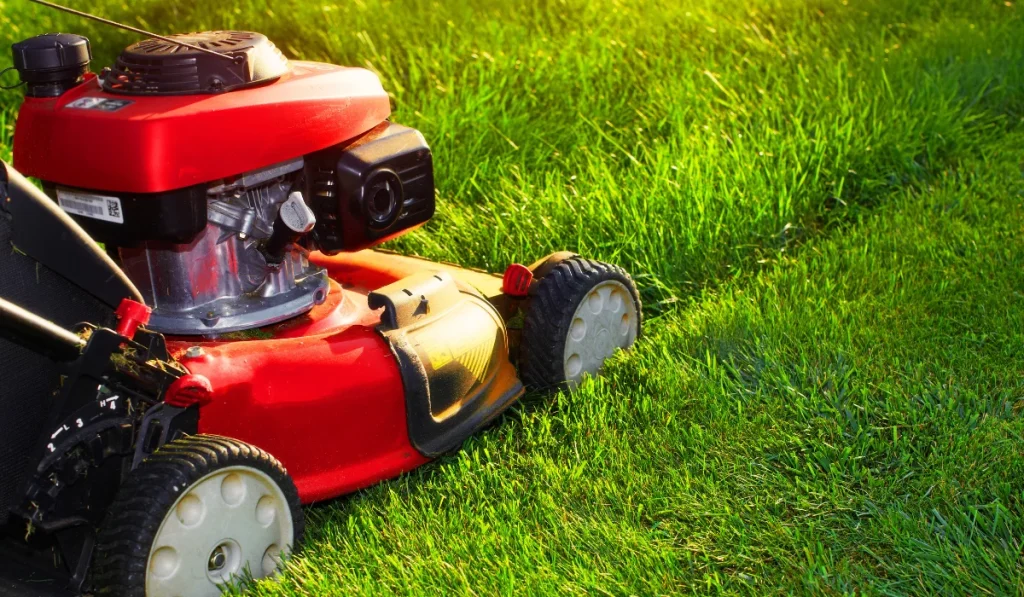
Good habits reduce conditions that help disease grow. One key habit is mowing at the right height with sharp mower blades. For warm-season grasses like TifTuf, they should not be mowed if they are dormant in the winter months.
During strong growth, mow every 4 to 7 days and remove no more than 1/3 of the blade at a time. Bagging clippings helps keep the surface clean while you solve problems.
Keep feeding on a simple schedule. Overfeeding can cause soft, weak growth and lead to thatch. Feed only during active development, and avoid heavy nitrogen when the grass is slow.
Water only as much as the lawn needs. During establishment, TifTuf needs about one inch of water per week. After the roots develop, it often requires less. Use even sprinkler coverage and let the lawn dry between watering cycles.
Dealing With Spots, Rings, And Patchiness
When you see circles, rings, or fading, check for overwatering, heavy shade, or poor airflow. Reduce moisture and increase airflow where needed.
Some problems are just temporary. For example, fescue lawns stay active through most of the winter, so a sudden color change or patchiness may indicate stress rather than dormancy. If you notice dull or thinning spots, check your watering schedule and mowing height—cool-season grasses like Fescue can suffer from fungal issues or nutrient imbalance during wetter, colder months.
Still, it helps to keep traffic low on soft areas and avoid dragging wet clippings over the lawn during problem periods.
If you have thin or bare spots after winter, overseeding can help fill the area before weeds move in. Pair overseeding with simple pest management to prevent pests from taking over weak turf. For heavy-wear spots, choose sod that recovers quickly.
Making The Right Winter Lawn Choices For California Homeowners
Winter can challenge any lawn, but you can stay ahead by keeping an eye on changes in color, texture, and growth. Noticing small shifts early makes it easier to respond before problems spread. Choosing a turfgrass that stays steady through cooler months also supports long-term lawn health.
At SodLawn, we offer guidance on sod options and seasonal planning to help you decide what fits your yard.
Want support with the next step? Contact us today for simple help with sod selection, planning, or winter lawn care questions in California.
FAQs
What winter lawn diseases are most common in California?
Common cool-season issues in California include red thread, Helminthosporium leaf spot, powdery mildew in shaded areas, and cool-season brown patch (also called yellow patch) during cold, wet periods.
What basic steps prevent problems during California’s cool months?
Keep mowing at the right height with sharp blades, water so the lawn can dry between cycles, and avoid heavy feeding that leads to thatch. If disease pressure rises, a fungicide can help alongside your routine. TifTuf bermudagrass is a durable choice that resists several issues and recovers well.
When should I adjust watering and feeding in California winters?
Water less when growth slows, and soil stays wet, and spread out feedings through the growing season. Feed lightly during the growing season and avoid heavy fertilizer in winter. Avoid overwatering and overfeeding, which can cause excess thatch and stress.