Winter storms in California can change your yard fast. If your lawn is not prepared, heavy rain can carve channels through the soil. Those channels mark the start of rainy-season lawn erosion.
At first, the damage may look like simple winter stress, such as thinning grass or small brown patches. But hidden problems can worsen erosion. Lawn pests like sod webworms weaken turf before storms arrive. Weak turf makes it easier for rain to wash soil away.
This guide shows how to spot early warning signs and strengthen your lawn before washouts start. SodLawn provides professional sod delivery and installation that can help stabilize your yard before the rainy season.
Key Takeaways
- Pooling water and thinning turf are early signs of lawn erosion.
- Sod webworms and other lawn pests weaken grass before storms.
- Better drainage and strong lawn care reduce runoff.
- Proper lawn care and new sod can stabilize damaged areas.
Spot Washouts Before They Start
Lawn erosion rarely appears overnight. Your lawn often shows warning signs before serious lawn damage.
Spotting these warning signs early helps stop rainy-season lawn erosion before small issues become costly repairs.
Pooling water after storms
After heavy rain, check for standing water that does not drain. Compacted soil or thick thatch can block water from soaking in.
When gallons of water collect in one area, they begin to move downhill. Over time, moving water loosens soil and exposes roots.
Thinning grass and small bare spots
Healthy turfgrass holds soil. If turf thins, the risk of erosion increases. Sod webworms are a common cause of thinning in California lawns.
Sod webworms are caterpillars in the larval stage of lawn moths. The larvae feed on grass blades near the soil surface. Feeding on grass blades weakens turf and leads to lawn damage.
You may see frass, which looks like small pellets, near the base of grass blades. You might also see brown patches that spread slowly.
Moths flying low in the evening
If you see brown moths flying just above your grass in the late afternoon, pay attention. These are adult moths called webworm moths. According to the Penn State Extension, adult sod webworms are dull-colored, with their front wings usually being whitish, dull gray to tan-brown.
Adult moths lay eggs in turfgrass. When eggs hatch, webworm larvae begin feeding. The life cycle moves from larvae to pupa and back to adult moths. If this repeats, sod webworm infestation can thin large areas of turf.
Rainy-Season Fixes to Stop Lawn Erosion
Once you find weak spots, improve drainage and strengthen your lawn before the next storm.
Redirect water flow
Extend downspouts and guide runoff away from slopes. Small grading changes can reduce water-cutting channels in soil.
Spreading runoff across the lawn rather than funneling it into a single path can reduce erosion pressure and soil disturbance.
Improve lawn care and mowing habits
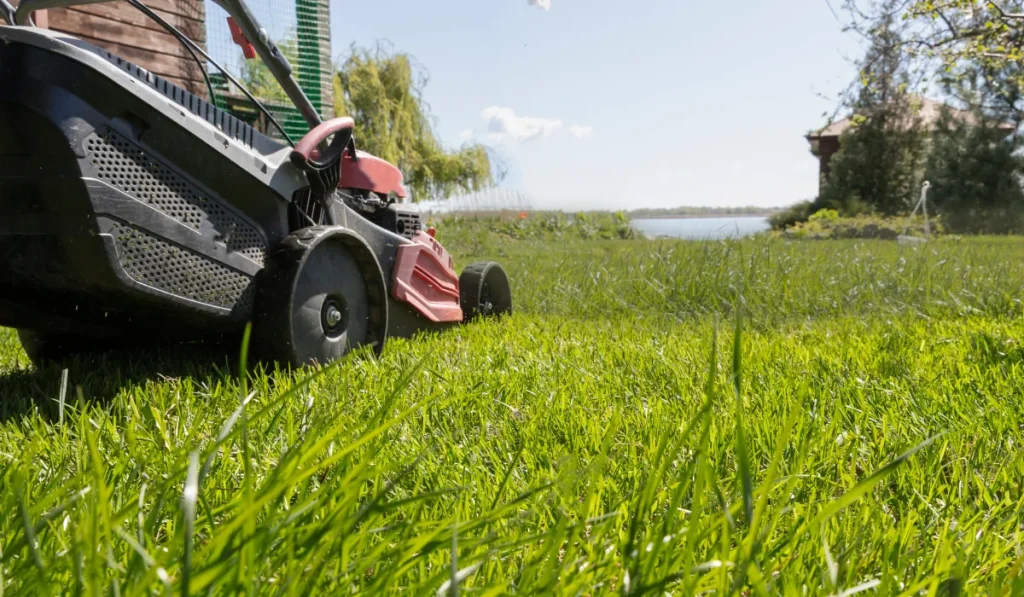
Strong roots are your best defense. Avoid mowing grass too short. Taller grass blades shade the soil and protect the roots.
Seasonal fertilization supports healthy growth. If your lawn has thick thatch layers, dethatching helps water soak into the soil rather than run off the surface.
Certain grass types, such as zoysia and St. Augustine, can provide thick coverage in many warm regions of California, depending on climate and site conditions. Choosing the right grass types for your region helps prevent washouts.
Treat sod webworms before storms.
If sod webworms are active, address them quickly. One commonly suggested monitoring method involves mixing dish soap with water to bring webworm larvae to the surface for observation.
Pour the soapy water over a small patch of grass and watch for webworm larvae surfacing. If webworm larvae are present, they may rise to the surface.
Sod webworm treatment is most effective during the larval stage, when larvae feed near the surface. Some treatments contain Bacillus thuringiensis or spinosad. Others may use active ingredients like bifen or bifenthrin.
Check for beneficial insects before applying treatments. The goal is to control sod webworms without harming helpful insects.
If sod webworm damage is severe, installing new sod can help stabilize exposed soil while the turfgrass re-establishes.
What’s Causing the Erosion in Your Yard
Rainy-season lawn erosion often comes from drainage problems and weak turf caused by sod webworms or other lawn pests. A lawn inspection can identify grading issues, soil compaction, thatch buildup, or thinning turf before small areas of damage become serious.
Compacted soil
California soil, especially clay, compacts easily. When rain hits compacted soil, water runs off instead of soaking in. That runoff strips away topsoil.
Aeration and dethatching improve water absorption and protect turfgrass.
Pest-related thinning
Sod webworms are not the only lawn pest. Chinch bugs and grubs also cause lawn damage. Grubs feed underground, while chinch bugs damage grass above ground.
When webworm larvae feed near the crown and grubs attack roots, turf weakens. Thin areas wash out faster during storms.
Poor maintenance timing
Cutting grass too short or skipping fertilization weakens the lawn before winter. If eggs hatch and larvae feed during this period, erosion increases.
Watching for adult moths in the late afternoon and checking for sod webworms early in the day helps break the life cycle before major damage occurs. Consistent pest control and proper lawn care reduce long-term problems.
Schedule a Lawn Erosion and Drainage Inspection
Rainy-season lawn erosion often results from drainage problems and weak turf. A professional inspection can spot grading issues, compaction, thatch buildup, and sod webworm infestations before small problems become serious lawn damage.
Practices such as aeration, dethatching, and proper fertilization can strengthen your lawn before heavy storms arrive. If sections are beyond repair, installing new sod can provide faster stabilization and restore thicker turf coverage. At SodLawn, you get high-quality sod selected for California growing conditions.
For California homeowners and residential landscapers, proactive lawn maintenance and proper drainage planning can prevent small washouts from becoming major repairs. Contact us today.
FAQs
How do sod webworms make erosion worse?
Sod webworms weaken grass during the larval stage by chewing grass blades. Thin turf cannot hold soil well, so heavy rain washes soil away faster.
When should I treat sod webworms?
Treat sod webworms when larvae feed near the surface. Watching adult moths helps you treat the lawn soon after eggs hatch.
Can new sod stop erosion permanently?
New sod helps stabilize exposed soil as turfgrass establishes. Long-term success depends on proper drainage, effective lawn care, and control of sod webworms and other lawn pests.