A homemade weed killer can seem like a simple answer when weeds appear between patio pavers, along a driveway, or inside a thinning lawn. Vinegar, salt, dish soap, baking soda, and boiling water are common suggestions, but they do not deliver the same results. Some damage only the leaves, while others can harm grass, nearby plants, or the soil.
That distinction matters in California, where heat, dry summers, and limited irrigation can already place turf under stress. A mixture that browns one weed may also weaken the lawn around it or leave the weed’s roots alive underground.
The right approach depends on the weed, its growth stage, and where it is growing. This guide explains which homemade weed killer recipes have limited value, which ones can create larger yard problems, and what you can use instead around lawns, new sod, planting beds, and hardscape.
Which Homemade Weed Killer Recipes Actually Help?
A homemade weed killer works best when you use it for a narrow purpose. Household vinegar and boiling water can damage small, young weeds growing in isolated cracks or bare hardscape. They are far less dependable on established weeds with deep taproots, spreading stems, bulbs, or other underground structures.
The main limitation is simple: brown leaves do not always mean a dead weed. Many DIY weed killer recipes act only on the plant tissue they touch. The top growth may collapse, but the root can remain healthy enough to produce new leaves.
| Method | Where It May Help | Main Limitation | Best Use |
|---|---|---|---|
| Household vinegar | Tiny annual weeds in isolated cracks | Often damages leaves without killing established roots | Spot treatment on hardscape |
| Vinegar with dish soap | Helps liquid coat small weeds more evenly | Still nonselective and unsafe for turf | Isolated weeds away from desirable plants |
| Boiling water | Small weeds in pavement joints | Burns any plant tissue or roots it reaches | Driveways, pavers, and bare hardscape |
| Vinegar, salt, and dish soap | May dry exposed foliage | Can damage soil, turf, and nearby roots | Best avoided |
| Baking soda or salt alone | May stress small plants | Adds sodium and provides unreliable control | Best avoided |
Vinegar for Very Young Weeds
A vinegar weed killer can injure tender annual weeds when they are small and actively growing. Research reported by the USDA Agricultural Research Service on vinegar-based weed control found that 5% and 10% acetic acid worked best on very young weeds. A 20% concentration produced stronger control across more growth stages in the study.
That result does not mean stronger vinegar is a better home remedy. Household vinegar is milder, while concentrated acetic acid presents greater risks to skin, eyes, grass, and ornamental plants. Vinegar is nonselective, so it can injure any green growth it touches.
Boiling Water for Hardscape Cracks
Boiling water weed killer can help with small weeds growing between pavers, in driveway cracks, or along isolated gravel edges. The heat damages exposed plant tissue without adding salt to the soil.
Its weakness is poor precision. Boiling water can injure turf, shallow roots, and nearby landscape plants as quickly as it injures weeds. Reserve it for locations where the water cannot flow into a lawn, planting bed, tree well, or groundcover.
Why Homemade Weed Killers Work or Fail
Most natural weed killer recipes act as contact treatments rather than root treatments. They damage the plant tissue they reach but do not reliably move through the plant to destroy the full root system. The University of California Integrated Pest Management guidance on landscape weeds explains that weed control depends on the species, growth stage, and the way the plant reproduces.
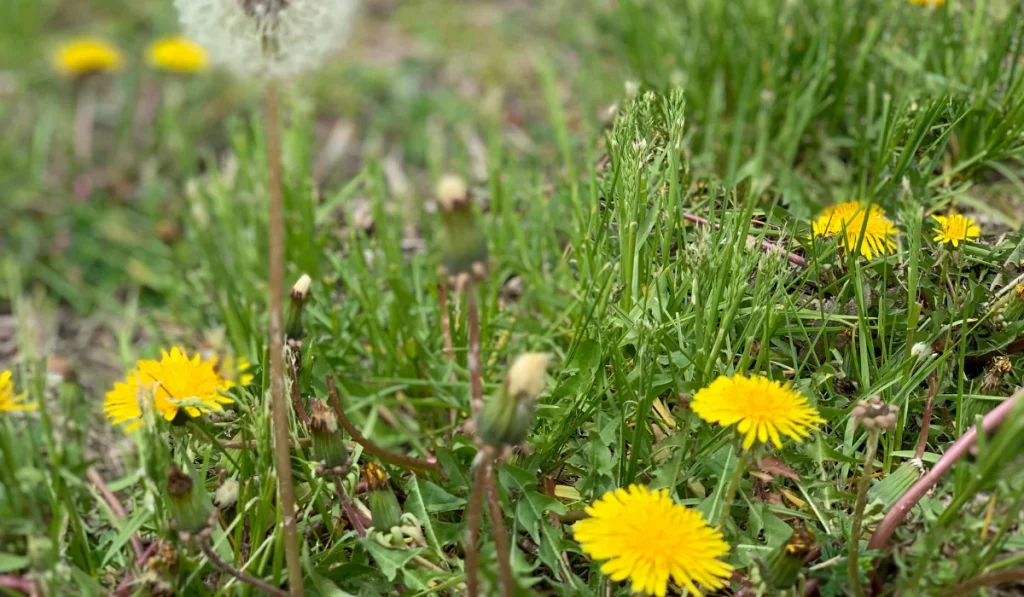
Young annual weeds are easier to control because they have smaller roots and fewer stored reserves. A tiny weed in a pavement joint may not recover after its leaves are destroyed. An established dandelion or another perennial can draw on energy stored below ground and replace the damaged growth.
Leaf shape also affects performance. Thick, waxy, or narrow leaves may shed part of a vinegar solution, while large weeds can protect their growing points near the soil line. Even coverage may cause visible browning without reaching the plant structures responsible for regrowth.
Weather changes the result as well. Irrigation or rain can dilute a treatment and carry it toward nearby grass. Hot, dry conditions may increase visible leaf damage, but quick browning still does not confirm that the roots are dead.
Homemade Weed Killer Recipes With Limited Uses
Some homemade weed killer recipes can help in carefully selected locations. Their value comes from matching the method to the setting, not from treating them as all-purpose lawn solutions.
Vinegar and Dish Soap
A dish soap weed killer usually combines vinegar with a small amount of soap. The soap helps the liquid spread across the leaf surface instead of beading up and rolling off. It does not make the mixture selective, lawn-safe, or more likely to kill deep roots.
This mixture may injure young weeds in a dry driveway crack, but overspray can leave brown patches in nearby turf. Wind can carry droplets onto flowers and shrubs, while runoff can move the mixture away from the intended target.
When you use any vinegar mixture, apply it only to isolated weeds surrounded by hardscape. Avoid spraying near lawn edges, tree roots, vegetable beds, or areas where water drains into planted soil.
Boiling Water Around Pavement
Boiling water is most useful when a weed grows in a narrow joint where hand-pulling is difficult. It can damage the exposed growth and may work well on small annual weeds that have not developed substantial roots.
Keep the application away from pavement edges where turf roots may extend beneath the surface. Grass roots do not stop at the visible border, so hot water can reach them even when it never touches the blades.
Hand-Pulling After Watering
Hand-pulling is not a recipe, but it often produces better results than spraying. Moist soil releases roots more easily, improving your chance of removing the taproot, crown, or underground stem.
This method works well for scattered weeds in lawns, beds, and newly installed sod. Grip the weed near the base and pull slowly. For deeper roots, use a hand weeder to loosen the soil rather than snapping off the top growth.
Homemade Weed Killer Recipes That Can Hurt Your Yard
The most damaging homemade weed killer recipes often contain salt. A vinegar and salt weed killer may brown foliage quickly, but the visible result can hide a longer problem below the surface. Salt does not distinguish between a weed and a desirable plant, and irrigation can carry it beyond the original treatment area.
Sodium and chloride can collect in the root zone and interfere with a plant’s ability to take up water. That makes salt weed killer a poor choice for lawns, planting beds, slopes, tree wells, and areas you may want to replant. In a dry California landscape, added salt can place more strain on turf that is already coping with heat or limited water.
Baking soda is sometimes promoted for weeds in cracks, but it also adds sodium. Evidence supporting it as dependable weed control is weak, and repeated applications can create the same concerns associated with other salt-based treatments. Epsom salt mixtures are also unreliable because magnesium sulfate does not provide consistent weed control.
Why Concentrated Vinegar Is Different
Concentrated vinegar creates a separate safety concern. The National Pesticide Information Center fact sheet on acetic acid notes that stronger acetic acid solutions can injure skin and eyes. A higher concentration may burn plants more aggressively, but it also raises the risk to you and every desirable plant in the spray area.
Do not treat horticultural vinegar as a stronger version of a harmless kitchen ingredient. Protective handling and careful placement matter, and it still cannot distinguish between weeds and lawn grass.
Using Homemade Weed Killer Around California Lawns and Sod
Homemade weed killer requires extra care around California lawns. Heat, drought stress, limited irrigation, and seasonal dormancy can slow recovery after accidental injury. A few vinegar droplets may leave visible turf damage, while salt can affect roots beyond the original spray spot.
New sod needs even more protection. Freshly installed grass is still developing roots and adapting to the site. Spraying a weed that appears between pieces of sod can injure nearby blades before the lawn has filled in. Hand removal is usually the better first step for isolated weeds during establishment.
Weed identification also changes the treatment plan. A broadleaf weed, grassy weed, and sedge may look similar from a distance, but they grow and spread differently. Before choosing a treatment, look at the leaf shape, growth pattern, root structure, and location. Removing weeds from a lawn becomes easier when you understand whether the plant spreads by seed, root, or underground stem.
Better Ways to Control Weeds Without Damaging Grass
Long-term weed control without harming grass starts with reducing the open spaces where weeds establish. Correct mowing height, consistent watering, and suitable feeding help turf grow dense enough to compete with new seedlings. Repair bare spots before they become dependable places for weed seeds to germinate.
Mulch can limit weed growth in planting beds by blocking light from reaching many seeds. Hand-pulling remains useful for scattered plants, especially after irrigation. For recurring seasonal weeds, a properly timed pre-emergent treatment may help prevent certain seeds from developing.
When weeds are spread throughout a lawn, choose a treatment labeled for both the target weed and your turfgrass. Follow the application directions instead of increasing the rate or combining products. A soil test can also reveal conditions that favor weeds over grass, such as poor fertility or unsuitable soil conditions.
The goal is not simply to remove the weeds you can see. A dense, healthy lawn reduces the bare soil and weak growth that allow the next group of weeds to establish.
Choosing the Right Weed-Control Method for Your California Yard
A homemade weed killer may help with a tiny annual weed in an isolated driveway crack, but it is rarely the best answer for established weeds inside a lawn. Household vinegar and boiling water have narrow uses. Salt-heavy mixtures, baking soda, and concentrated vinegar can create added risks for turf, soil, nearby plants, and the person applying them.
Start by identifying the weed and protecting the root zone around desirable plants. Remove isolated weeds by hand when practical, improve thin turf, and use lawn-safe treatments only when they match the weed and grass type.
For help building a thicker, healthier lawn, browse SodLawn’s California sod and lawn products. You can also contact SodLawn for guidance on sod, grass seed, fertilizer, and tools suited to your property. A stronger lawn gives you a more reliable foundation for weed control than a harsh homemade weed killer recipe.