If you want to fertilize a lawn with underground drip irrigation, you cannot treat it like a standard sprinkler system. Subsurface drip irrigation sends water straight to the root zone. This system saves water and changes how nutrients move through the soil.
Many California homeowners install drip systems to improve lawn care while using less water. The system works well, but the wrong fertilizer method can clog lines, waste nutrients, or cause uneven growth.
With underground drip irrigation, nutrients reach the roots where grass needs them most. This direct delivery improves efficiency and helps grass grow evenly.
When you are ready for sod delivery, SodLawn supplies sod across California.
Key Takeaways
- Liquid fertilizer is often easier to apply through drip systems than granular products applied with spreaders.
- Adjust irrigation run times to keep nutrients in the root zone.
- Improve soil with compost, lawn aeration, and dethatching to prevent fertilizer hot spots.
- Clean filters and flush lines to prevent clogs and protect your system.
How to Apply Fertilizer Through Subsurface Drip
When you fertilize with underground drip irrigation, the goal is simple: feed your lawn. The system moves nutrients straight to the roots. Unlike surface-feeding spreaders, drip systems deliver fertilizer through tubing and release it below the soil surface.
This method reduces fertilizer waste and supports steady growth.
Injecting liquid fertilizer through the system
A common method is to inject liquid fertilizer into the irrigation line with a fertigation system.
When designed and maintained well, drip irrigation distributes water and nutrients evenly through emitters.
Because fertilizer moves with the water, it does not sit on sidewalks or driveways. You will not need rakes or leaf blowers to clean up fertilizer granules. Everything goes underground where roots can absorb it.
This method works well for Bermuda grass, which grows fast during California summers and responds well to steady feeding.
Why granular fertilizer is not ideal
Granular fertilizer needs surface water to break down. With a subsurface drip system, water may not reach the surface evenly. That means granules can sit on the soil surface and never reach the roots.
Granules sitting on the soil surface can cause uneven color in a new lawn. If you just finished sod installation or laid new sod from a sod farm, liquid fertilizer works better during early growth.
Preparing the soil before feeding
Before adding fertilizer, run a soil test. A soil test shows what nutrients your lawn actually needs. Adding fertilizer without a soil test can cause nutrient buildup and waste.
If your yard has compacted soil, use an aerator to loosen the soil. Lawn aeration helps water and nutrients move through the soil. Many homeowners combine lawn aeration with overseeding to thicken thin areas.
Healthy soil makes underground feeding more effective and supports a healthy lawn.
Calibrating Run Time to Feed Without Waste
To fertilize a lawn with underground drip irrigation, you must control the system’s run time. If run times are too short, fertilizer may not fully move through the irrigation lines. If run times are too long, nutrients may move below the main root zone.
Step 1: Measure system output
First, measure how much water your system delivers each hour. Check the rating for each nozzle and drip line. Knowing your system output helps you match fertilizer to watering time.
California soil types vary. Sandy soil drains fast. Clay soil drains slowly. Knowing your output keeps fertilizer in the root zone.
Step 2: Use shorter watering cycles
Run the system in short cycles rather than in a single long session. Short cycles give the soil time to absorb nutrients.
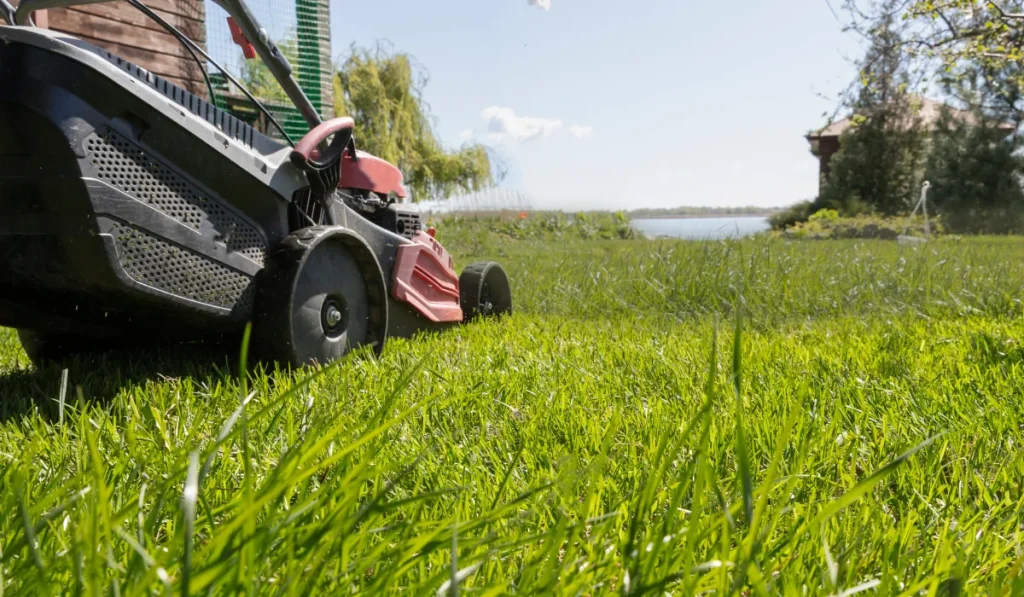
Think about mowing with a lawnmower. You remove only part of the grass blade for a clean cut. You would not cut everything at once. Short watering cycles work the same way.
Sharp mower blades also reduce stress on your grass and help it recover between feedings.
Step 3: Adjust for grass type and season
Warm-season grasses like Bermuda need more nutrients in summer. St. Augustine may require different timing based on your climate, which is why understanding when to fertilize your lawn is key to avoiding waste.
If you are caring for a new lawn or overseeding, use shorter and more frequent cycles. Keep edges neat with an edger and string trimmer. Pruners and shears help you manage nearby plants, keeping your landscaping clean.
Preventing Clogs, Hot Spots, and Runoff
Drip systems need regular upkeep for good lawn care. Most problems come from clogs, uneven soil, and poor drainage.
Preventing clogs in drip lines
Fully mix the liquid fertilizer and confirm it is compatible with your irrigation system to help prevent clogged emitters. Undissolved fertilizer can block emitters.
Clean filters and flush lines often. Just as you maintain lawn and garden tools, your irrigation system needs care. Taking care of essential tools helps them last longer, and the same is true for drip equipment.
Avoiding nutrient hot spots
Hot spots happen when fertilizer builds up in one part of the lawn. According to Washington State University Extension Hortsense, misapplied fertilizer can cause striping from spreader overlap and brown or dead patches, especially where applicators drop excess product during turns or stops. Thick thatch can also block even absorption.
Regular dethatching removes excess thatch. If an area is badly damaged, lawn care tools such as a sod cutter or sod lifter can remove sections before replacing them with new sod. A landscape rake helps level soil before repair.
These steps help grass grow evenly across the lawn.
Reducing runoff and oversaturation
Even drip systems can cause runoff when the soil becomes too wet. Clay-heavy soil is more likely to have this problem.
According to a study published by the University of Massachusetts Amherst Extension, heavier soils should be irrigated less often but for longer periods to reduce runoff and limit fertilizer leaching below the root zone.
Adding compost improves soil structure and helps water soak into the soil. Use hand tools and a wheelbarrow to spread compost evenly. Healthy soil supports better lawn care and helps grass use nutrients more efficiently.
If you prefer a DIY approach, use the right tools and follow the right timing.
Get a Fertilization and Drip Efficiency Tune-Up
Learning how to fertilize a lawn with underground drip irrigation takes planning. You need the right nutrients, proper run times, and healthy soil conditions. When these elements work together, grass grows more evenly, and fertilizer waste stays low.
If your lawn has uneven color, compacted soil, or drainage issues, improving soil preparation and installing quality sod can help restore lawn health. Choosing the right sod variety and preparing the soil properly can help homeowners establish healthier lawns in California conditions.
If your lawn needs a fresh start, installing new sod can help establish a healthy lawn more quickly. At SodLawn, we supply high-quality sod across California to support residential and commercial lawn projects.
Contact us today to schedule sod delivery for your next lawn project.
FAQs
Can you use spreaders with underground drip irrigation?
Spreaders do not work well with subsurface drip systems. Because water stays underground, granular fertilizer may not break down. Liquid fertilizer delivered through sprayers and injection systems works better.
How often should you fertilize with a drip system?
Many warm-season lawns in California are fertilized about every 6 to 8 weeks during the active growing season, depending on soil conditions and grass type. A soil test gives the best schedule based on your grass type and soil condition.
Is underground drip irrigation good for a new lawn?
Yes. Underground drip works well for a new lawn when watering cycles are short and steady. Proper mowing with a lawnmower, sharp mower blades, and balanced feeding help roots grow strong and support a healthy lawn.