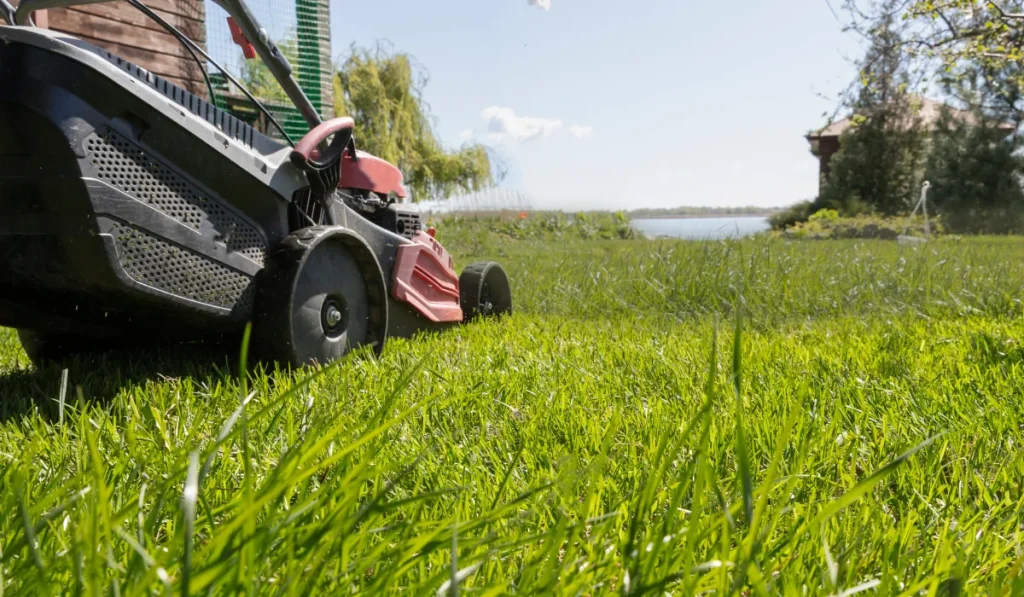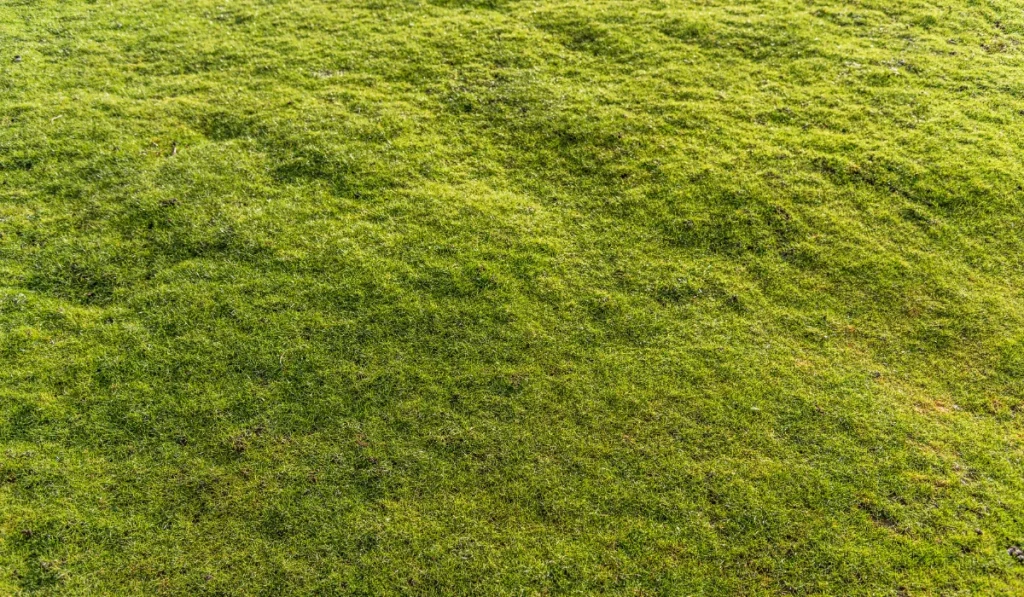
You head outside to mow your yard, but the lawnmower keeps bouncing. One step feels firm, and the next sinks. From the street, the lawn may look fine, but walking across it shows the problem. Many California homeowners start asking why their lawn feels uneven or lumpy.
A bumpy lawn causes more than mild frustration. Uneven ground makes mowing harder, leads to scalping, and causes water to collect in low areas. Over time, these issues affect how the lawn looks, how healthy the grass stays, and how safe the yard feels for kids, pets, and guests.
This guide explains why uneven lawns are so common in California. You will learn the most common causes of a lumpy lawn, how different grass types react, and which fixes actually work. You will also know when basic lawn care helps and when installing new sod makes more sense.
Key Takeaways
- Soil movement, compacted ground, and drainage problems are the leading causes of a bumpy lawn. California soil expands and shrinks with watering and dry weather, which leads to uneven ground over time.
- Earthworms and worm castings can also create a rough, bumpy lawn surface. While earthworms improve soil health, the castings they leave behind can build up and make older lawns feel uneven.
- Foot traffic, pests, and tree roots often create ruts, divots, and low spots. These issues worsen in busy areas where soil is compacted or disturbed below the surface.
- Topdressing, aeration, and dethatching help level existing grass over time. These steps improve soil structure and support more even root growth.
- New sod is often the fastest fix for severe lawn unevenness. When installed over properly prepared soil, sod creates a smooth surface and helps limit future settling.
Why Is My Lawn Uneven Or Lumpy In California?
If you are wondering why your California lawn feels uneven or lumpy, the answer usually comes down to soil and climate. Long dry periods followed by heavy watering cause soil to expand, shrink, and shift. This movement occurs beneath the grass and gradually creates low spots, high spots, and an uneven surface.
Many California lawns contain clay-heavy soil. Clay soil holds water, then dries out and cracks as moisture levels drop. This repeated cycle causes uneven settling across the yard, even when regular lawn care is in place.
Installation problems can also cause uneven lawns. New construction, grading changes, or rushed sod installation often leave air pockets under the surface. These weak areas collapse under watering, mowing, and foot traffic, making the lawn more uneven each year.
If you are unsure what is causing the problem, we offer sod delivery, installation, and guidance to help you fix uneven or lumpy lawns. Whether you need soil correction, new sod, or help choosing next steps, we support California homeowners with long-lasting solutions.
Soil Compaction And Ground Movement
Soil compaction is one of the biggest causes of an uneven lawn. It occurs when soil becomes compacted, leaving little room for air and water. Grass roots need space to grow strong, and compacted soil limits that growth.
Heavy foot traffic, lawn mowers, and landscaping equipment compact soil over time. Compacted areas prevent roots from growing deep. When water finally loosens the ground, the soil settles unevenly, creating low spots.
Compaction also leads to poor drainage issues. Water sits on the surface rather than soaking in, which weakens the grass and makes the lawn look uneven. To fix soil compaction, aeration can help by loosening the soil and giving roots space to grow again.
If your yard feels hard in some areas and soft in others, we can help with aeration and soil improvement plans tailored to your lawn size and grass type.
Low Spots, High Spots, And Settling Soil
Low spots and high spots often appear after landscaping or construction work. Soil usually settles unevenly after crews add fill dirt or topsoil. Gravity and watering slowly cause some areas to sink more than others.
Low areas retain water longer, leading to thinning grass and muddy patches. High spots dry out faster and may turn brown while the rest of the lawn looks healthy. Together, they create a bumpy surface that is hard to mow.
Topdressing helps fix shallow low spots. A thin layer of topsoil spread over grass slowly fills low spots without covering the blades. This process takes time but works well when done in light layers. For large height differences, regrading or new sod often brings faster results.
We can regrade sections of your yard or recommend sod options to create a smoother lawn more quickly.
Foot Traffic, Ruts, And Divots
Foot traffic plays a major role in creating a lumpy lawn. In fact, you shouldn’t walk on new sod. Most installers advise waiting about two weeks before walking on newly installed sod. Kids running, pets playing, and people using the same paths every day all compact the soil. Over time, this creates ruts and divots that do not bounce back on their own.
These issues often show up near gates, along fences, and between outdoor features. Grass thins, soil hardens, and the lawn surface sinks. Even good lawn care cannot entirely stop this without repair.
Repairing traffic damage typically involves loosening the soil, adding topsoil, and reseeding thin areas. Using durable sod or grass types also helps limit future damage.
Our team can recommend sod varieties that withstand heavy foot traffic and recover quickly in busy California yards.
Thatch Buildup And Surface Softness
Thatch is a layer of dead grass and roots that builds up above the soil. A small amount is normal, but too much creates a soft, spongy surface. That spongy layer makes the lawn feel uneven, even when the ground underneath is level.
Warm-season grasses such as bermudagrass and zoysia produce thatch more quickly than other grasses.
According to the University of California-Riverside, vigorous growing turfgrasses are generally major thatch builders, either because of their inherent genetic makeup in the case of bermudagrass. The research also notes that turfgrass species that produce rhizomes, such as zoysia grass, build thatch faster than bunch-type grasses.
Without regular dethatching, the lawn becomes lumpy and holds too much moisture.
Excess thatch also blocks water and air from reaching the roots. Blocked water and airflow weaken the grass and make low spots easier to form. Dethatching removes this layer and helps the lawn settle more evenly.
Tree Roots And Air Pockets Under Grass
Tree roots often cause high spots in California lawns. When tree roots grow near the surface, they push soil upward, creating bumps that become more noticeable over time.
Air pockets also form when soil washes away or when sod does not rest flat against the soil. As watering and foot traffic increase, these pockets collapse, creating dips.
Fixing root-related problems may include adding soil around raised areas and adjusting watering habits. In some cases, switching grass types near trees helps keep the lawn more even.
Earthworms And Worm Castings
Earthworms are usually a good sign in a lawn because earthworms help improve soil health. As earthworms move through the soil, small tunnels form that naturally aerate the ground. This movement helps air and water reach grass roots more easily and also helps break down organic material in the soil.
At the same time, earthworms can contribute to a bumpy lawn surface. As earthworms move through the soil, small piles of soil called worm castings are pushed to the surface. According to the University of Nebraska Extension, these castings can build up over time and contribute to lawn roughness, especially in older lawns.
This problem is often more noticeable in older lawns, healthy soils, and areas with regular moisture. Because earthworms benefit the soil, there is no real permanent cure for worm-casting bumps. The best approach is to manage the surface with regular mowing, light raking, brushing, and occasional topdressing to help smooth the lawn over time.
Pests, Grubs, And Wildlife Damage
Underground pests can slowly cause a lawn to become uneven. Grubs eat grass roots, which creates soft spots that sink when stepped on. Voles dig tunnels that leave raised lines and low areas across the yard.
These problems often stay hidden until the lawn feels uneven or the grass pulls up easily. If left untreated, the damage spreads quickly.
Repairing pest damage includes filling tunnels, firming the soil, and adding new grass seed or sod. Fixing the problem early helps restore a smooth lawn surface.
Drainage Issues And Water Problems
Drainage problems are one of the most common causes of uneven lawns in California. When water pools in low spots, it slowly washes soil away and creates deeper depressions.
Overwatering makes uneven lawn issues worse. Too much water loosens soil around roots and creates air pockets. Uneven sprinkler coverage adds to the problem by soaking some areas while leaving others dry.
Fixing drainage issues often starts with adjusting sprinkler heads so water spreads evenly. Improving soil structure and applying topdressing help stabilize low spots and reduce erosion. Proper watering supports deeper roots that hold soil in place.
New Sod And Installation Mistakes
New sod delivers quick results, but installation errors can lead to uneven lawns. If the soil beneath the sod is not graded flat or compacted evenly, the sod will settle at different rates during the first few months, creating low spots.
You can fix small problem areas by lifting the sod, adding topsoil, and pressing it back into place.
For broader uneven sections, top dressing can gradually level the lawn at a lower cost, though it may take time to see results. Replacing the sod after proper soil preparation is the faster solution, but it usually costs more.
Grass Types And Seasonal Changes
Different grass types respond to soil movement and weather in various ways. Cool-season grasses like fescue stay green most of the year but grow in clumps rather than spreading aggressively. Because they do not form a dense, interconnected root system, uneven areas can become more noticeable when soil shifts or compaction develops.
Warm-season grasses such as bermudagrass and zoysia spread via runners and develop deeper roots. They handle foot traffic better but build thatch faster, which can make lawns feel lumpy.
Seasonal changes also affect lawn smoothness. In spring, moisture changes make dips and bumps stand out. In summer, dry soil shrinks, creating new low spots, especially in clay soil.
Choosing the right grass based on sun, traffic, and watering habits helps reduce uneven lawn problems. We help California homeowners choose grass types that stay more level through seasonal changes.
Can Earthworms Make A Lawn Feel Bumpy?
Earthworms are beneficial for soil health, but they can also be a major reason a lawn feels rough or uneven. As earthworms move through moist soil, they leave behind small piles of soil called worm castings. These castings build up on the surface and can dry into small bumps that affect how the lawn feels underfoot and how evenly it mows.
This issue is often more noticeable in older lawns, healthy soils, and yards with regular moisture. In many cases, there is no true permanent cure because earthworms improve soil structure and support healthy grass. Eliminating them is usually not recommended.
Instead, the best approach is to manage the surface. Regular mowing, light raking, brushing, and occasional topdressing can help break up castings and smooth the lawn over time. If the lawn still feels uneven, leveling problem areas may help, but some recurring surface roughness can return as earthworm activity continues.
Step-By-Step Ways To Fix A Bumpy Lawn
Fixing a bumpy lawn works best when you follow clear steps. The right approach depends on whether the issue comes from shallow low spots, compacted soil, or deeper ruts.
Step 1: Identify Low Spots And Problem Areas
Walk your yard and note where you feel dips, bumps, or soft ground. Look for spots where the mower bounces, water pools, or grass grows thin.
Step 2: Address Drainage And Watering First
Fix drainage problems before adding soil. Adjust sprinkler heads to water evenly and avoid overwatering any one area.
Step 3: Dethatch If The Lawn Feels Spongy
If the lawn feels soft or springy, excess thatch may be the cause. Removing thatch allows water and air to reach the soil.
Step 4: Aerate Compacted Soil
Aeration loosens hard soil and helps roots grow deeper. This step also helps the topsoil settle evenly.
Step 5: Topdress Minor Low Spots
For shallow dips, apply a thin layer of topsoil and work it into the grass. Topdressing slowly fills low spots without covering existing grass. It works best when done in light layers over time.
Step 6: Repair Ruts And Divots
Deeper ruts and divots require adding soil and lightly packing it to remove air pockets. Avoid leaving loose soil, which will sink again. A lawn roller is helpful for small areas when the soil is slightly moist.
Step 7: Overseed Or Use New Sod If Needed
After leveling, overseed thin areas to restore coverage. If the lawn is uneven across large sections, new sod may be the faster, more cost-effective solution.
For any step, we can help you decide whether soil repair or new sod is the best fit for your California lawn.
Making The Right Choice For Your California Lawn
An uneven lawn does not always have a single cause, and the best solution depends on your yard’s layout, use, and long-term goals. Some lawns respond well to simple corrections, while others need a more complete reset to restore a smooth surface.
Taking action sooner rather than later helps protect your lawn from ongoing wear and prevents small problem areas from spreading. A level yard also makes outdoor spaces more straightforward to use and maintain over time.
At SodLawn, we work with California homeowners to correct uneven lawns using practical solutions and region-specific experience.
Contact us today to get answers to your questions and find the right next step for your lawn.
FAQs
Why does my lawn feel uneven after winter in California?
California soil expands and contracts with changes in moisture. During the cooler months, soil shifts and settles, making low spots and uneven lawn areas more noticeable in spring.
Can I fix a bumpy lawn in California without replacing the entire lawn?
Yes. Many homeowners use topdressing, aeration, and overseeding to gradually level low spots while keeping existing grass in place.
Is new sod the fastest way to fix an uneven lawn in California?
For severe uneven lawn problems, new sod installed on properly graded soil is often the quickest and most reliable solution for California yards.