Cool California fall days feel great, and weeds respond quickly to those same conditions. As soil temperatures drop, weed seeds begin to germinate quickly. Without early intervention, it is common to see chickweed, annual bluegrass, and dandelions take hold in areas where your lawn should be filling in.
The key is not just timing, but consistency. Professional lawn care programs focus on keeping turf strong through routine mowing, proper fertilization, well-timed aeration, and strategic pre-emergent applications. When these practices are aligned, they help limit weed pressure before it becomes visible.
This guide explains how to identify common fall weeds, apply weed control correctly, and build a thicker lawn that naturally resists weed growth over time.
Key Takeaways
- Fall weeds begin germinating as soil temperatures cool, so early prevention is essential.
- Pre-emergent herbicide is most effective when applied before annual weeds sprout.
- Regular mowing and proper fertilization help maintain dense turf that limits weed growth.
- Periodic services like aeration and dethatching improve soil conditions and support long-term lawn health.
- California lawns require region-specific care based on warm-season and cool-season grass types.
Why Fall Weeds Are a Problem in California
Common lawn weeds thrive when your lawn is weak or your soil is compacted. In early fall, warm soil helps weeds sprout while grass growth slows.
Fall weeds become a problem when conditions allow them to establish before your lawn can respond. As soil temperatures cool across California, weeds like annual bluegrass, chickweed, and other winter annuals begin to germinate quickly. This applies in both Northern and Southern California, although timing may shift slightly based on local weather patterns.
In Southern California, including areas like Anaheim and Long Beach, mild winters allow many of these weeds to continue growing rather than slowing. At the same time, inconsistent watering or overwatering can create ideal conditions for weed growth, especially in thinner or stressed areas of the lawn.
Once established, these weeds compete directly with your turf for water and nutrients, delaying spring green-up and weakening overall lawn density. Perennial weeds like dandelions and nutsedge make the issue worse by returning year after year through deep root systems.
Because of this, effective control is less about reacting later and more about maintaining steady, well-timed lawn care practices that limit opportunities for weeds to take hold in the first place.
Identify The Type Of Weeds In Your Lawn
Knowing the weed type helps you pick the proper treatment. Fall lawns are divided into two main groups: broadleaf weeds and grassy weeds.
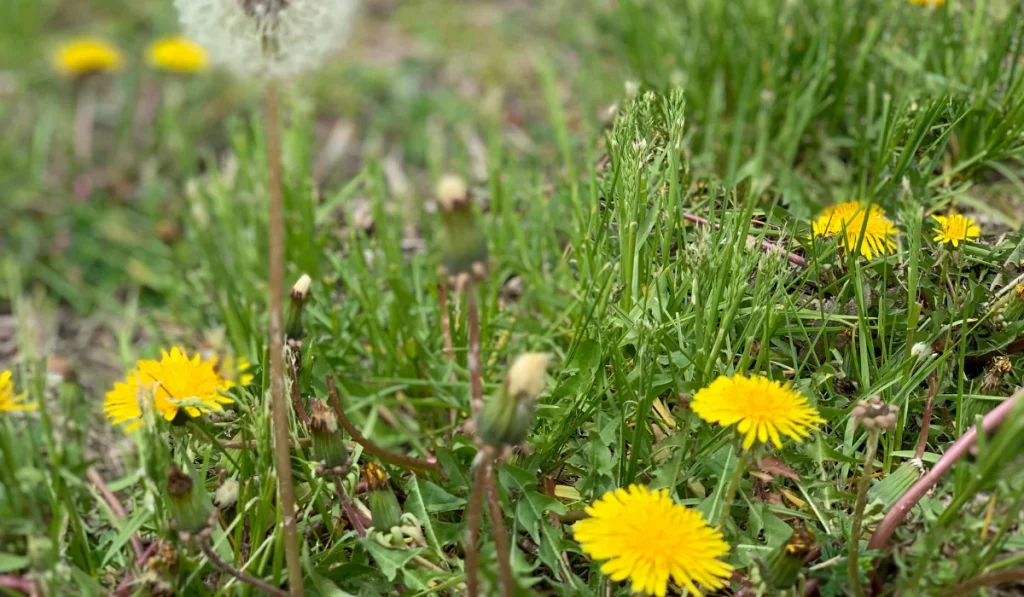
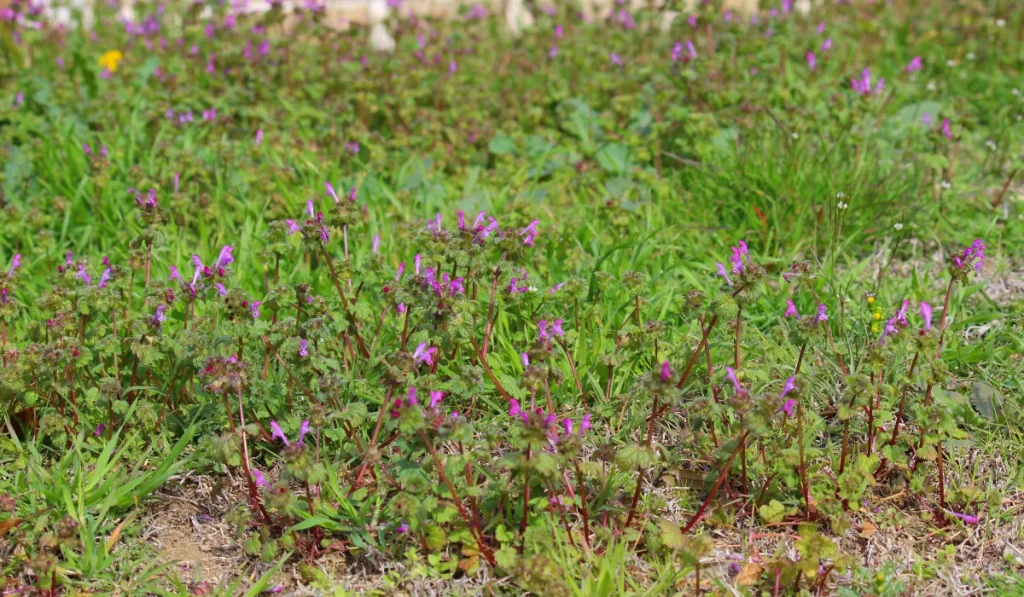
Broadleaf weeds include chickweed, henbit, and dandelions. These have flat leaves and spread quickly across thin turf. Grassy weeds like crabgrass, annual bluegrass, and nutsedge (a grass-like sedge) blend in with your turfgrass, making them trickier to spot until they take over large patches.
To control weeds effectively, inspect your yard in early fall for small green shoots or clusters in bare spots. Hand-pulling small infestations can help, but larger areas may need selective herbicides or pre-emergent applications to prevent more weed seeds from sprouting.
Post-emergent herbicides can target existing weeds that have already broken through the soil surface without damaging the surrounding grass.
Pre-Emergent Herbicide And Weed Killer Timing In California
Timing matters for weed control. Pre-emergent herbicide creates a thin soil barrier that stops seeds from sprouting.
Apply when soil temperatures reach around 55-70°F, depending on your region and target weeds. This helps the product bind to the soil surface and effectively block weed seed germination. In many California locations, this is early fall (for winter annuals) or early spring (for summer annuals). Monitor soil at 1-2 inches deep for best accuracy.
It’s best to mow your lawn a day or two before applying post-emergent herbicide to expose more of the weed surface and help the product absorb evenly.
For isolated spots, you can use a non-selective weed killer to target stubborn growth in driveway edges or walkways. However, avoid using it on your main lawn, as it will harm the grass along with the weeds. Always check the product label to ensure it’s safe for your grass type; some herbicides safe for Bermuda may damage St. Augustine or other warm-season grasses.
In Southern California, you may benefit from a second pre-emergent later in the season (often late winter or early spring) to catch any late-germinating weed seeds; check product label and local extension guidance for timing.
Following up with weed-and-feed or a light fertilizer after treatment helps your lawn recover quickly.
Lawn Care And Maintenance To Prevent Weeds
You can control weeds from taking over your lawn through consistent lawn care. Healthy turf shades the soil, making it hard for weeds to take root.
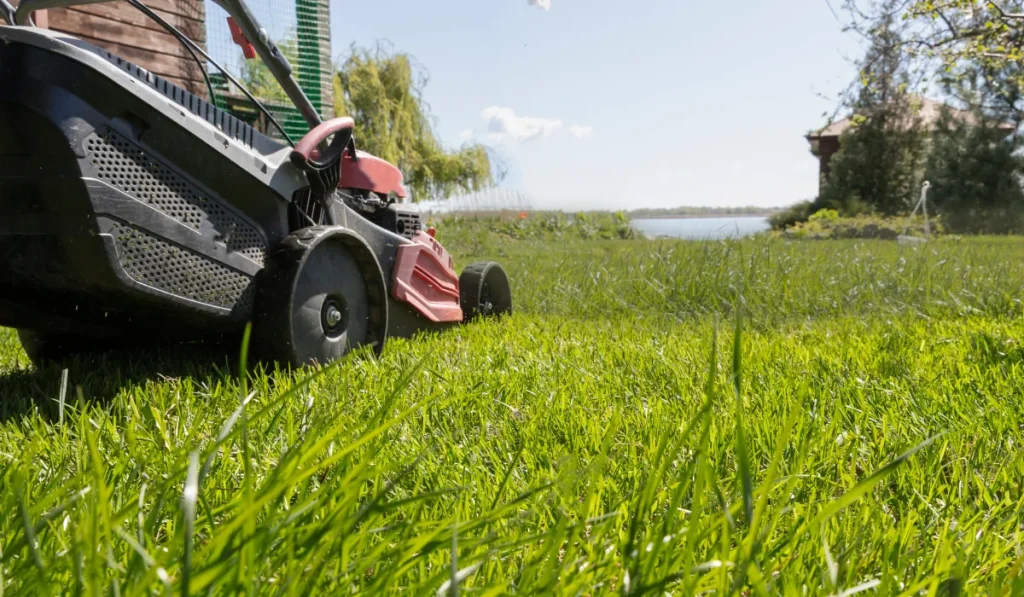
Start with mowing height. The right height builds strong roots and discourages weeds.
- For cool-season grasses (fescue, ryegrass, bluegrass): mow at about 2.5-4 inches.
- For warm-season grasses (Bermuda, St. Augustine): mow at about 1.5-3 inches, depending on variety and local conditions.
Use a sharp mower blade to avoid tearing grass.
Aerate compacted soil. Compaction limits roots and water flow, which helps weeds. Core aeration in early fall opens the soil, allowing air and nutrients to reach deeper roots. After aeration, overseed to fill bare spots and strengthen turf before winter.
Dethatching helps older lawns. Thatch is a layer of dead stems and roots between the soil and the grass. A thick layer blocks water and nutrients. Remove excess thatch once a year to improve lawn health and reduce weeds.
How often you dethatch a lawn depends on grass type, soil, and how thick the thatch becomes.
If the soil feels hard or the grass is greening slowly, run a soil test to check pH and nutrient levels. After aeration, top-dress the lawn with a thin layer (¼–½ inches) of compost to improve soil health. Use mulch only in garden beds or landscape borders, not directly on turfgrass.
Check your sprinkler system, too. Uneven watering often leaves dry patches where weeds can take hold.
Regional Tips For Southern California Homeowners
In Southern California, fall weather can stay warm well into November, keeping warm-season grasses such as Bermuda, TifTuf, and St. Augustine grass active. Mow regularly and water deeply to keep turf thick and weed-resistant.
Clay soils and high traffic compact fast. Aerate and dethatch once a year to improve roots and reduce bare spots. As temperatures cool, cut back watering. Overwatering encourages weeds like nutsedge.
If the grass thins as it goes dormant, overseed with a cool-season grass such as perennial ryegrass. This keeps the yard green through winter and helps crowd out weeds. This approach works well in Southern California’s mild winters.
Making The Right Weed Control Plan For Your California Lawn
Fall is the best time to prepare your lawn for success. A simple plan, using the right products and timing, keeps weeds from returning next year.
Instead of reacting to weeds after they appear, focus on prevention. Know your lawn’s growing cycle, watch soil temperatures, and apply treatments before seeds sprout. A little planning now means less maintenance later.
At SodLawn, we offer sod blends tailored to every California region and provide expert guidance on seasonal weed prevention and lawn care.
Contact us today to find the best sod for your yard and keep your lawn looking healthy year-round.
FAQs
What month should I apply pre-emergent herbicide in California?
Apply pre-emergent when soil temperatures reach around 55–70°F, depending on your region and target weeds.
In many California locations, apply in early fall to target winter annuals like annual bluegrass, and again in early spring to prevent summer annuals like crabgrass.
Monitor soil temperature 1–2 inches deep for best accuracy.
How can I control crabgrass and dandelions naturally?
Frequent mowing at the right height, aeration, and overseeding help crowd out crabgrass and dandelions. Hand-pulling small patches is safest for your turf. Some homeowners use vinegar-based spot treatments, but these can damage grass, so apply carefully and avoid overspray.
What’s the best grass type for a weed-resistant lawn in Southern California?
Bermuda, St. Augustine grass, and TifTuf are strong choices for warm climates. They develop deep root systems, recover quickly from wear, and grow dense enough to limit lawn weed growth through fall and year-round.