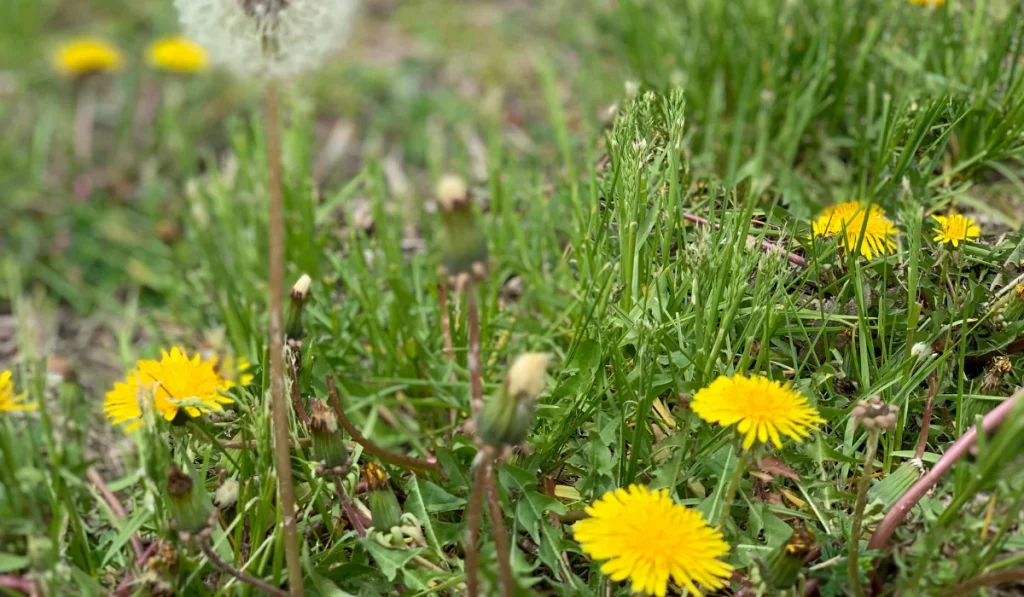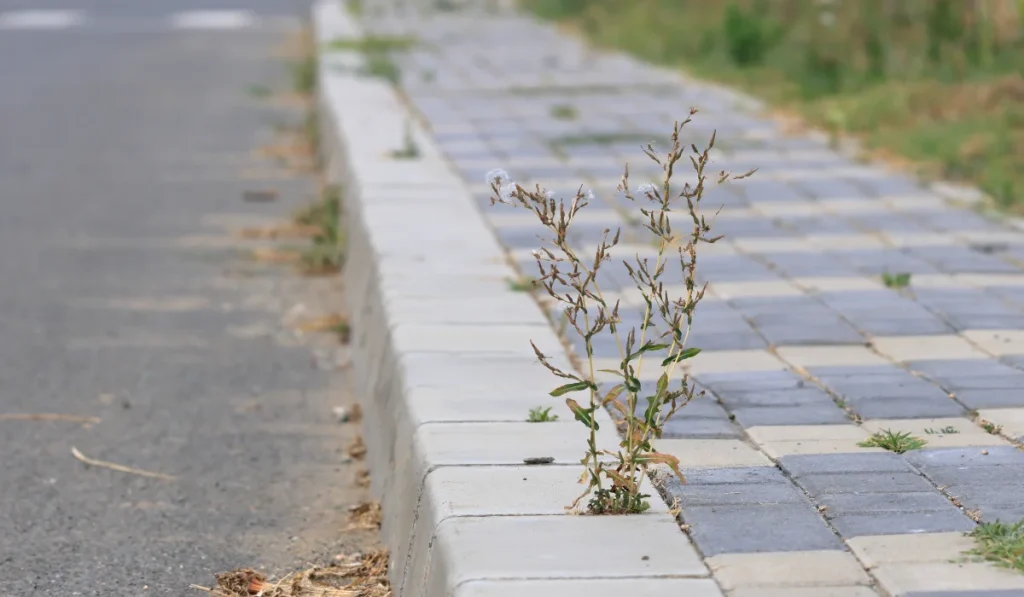
A row of weeds along the sidewalk can make a well-maintained Irvine lawn look neglected. Pulling the visible growth may improve the area for a few weeks, but weeds often return when the conditions beside the pavement remain unchanged.
If you want to know how to stop weeds along sidewalk edges, start by identifying where the weeds are growing. Weeds inside sidewalk cracks need a different solution than weeds spreading through thin turf or a narrow strip between the sidewalk and the street. Once you address the source of the problem, routine maintenance becomes easier and the edge of the lawn looks more consistent.
Why Sidewalk Edges Attract Weeds
The area beside a sidewalk receives more wear than the center of the lawn. Foot traffic can compact the soil. Mower wheels may pass over the same strip each week. String trimmers can cut the grass too close to the ground. Sprinklers may send water onto the pavement while leaving part of the lawn edge dry.
These small maintenance problems can weaken the turf and create open spaces for weeds. The UC IPM guide to weed management in lawns explains that poor irrigation, improper mowing, compacted soil, and other lawn-care issues can reduce turf density and make weed invasion more likely.
A dense lawn covers the soil and limits the space available for new growth. When the grass thins near a sidewalk, weeds can establish themselves more easily.
Identify Where the Weeds Are Growing
Before choosing a repair plan, inspect the full sidewalk edge. You may find more than one problem in the same area.
Weeds Growing in Sidewalk Cracks
Weeds can take root in expansion joints, small cracks, and gaps between concrete sections. These weeds are separate from the lawn, even when they appear close to the grass line.
Pull young weeds while the soil is slightly moist so the roots are easier to remove. Clear loose soil and plant material from the crack after removal. If the joint is damaged, repairing or sealing it can reduce the amount of space where new weeds can settle.
UC IPM notes that hand removal is often the most efficient option for weeds growing in small areas such as sidewalk joints. Check the cracks periodically so weeds do not mature and produce more seeds.
Weeds Growing Inside the Lawn Edge
Weeds mixed into the grass usually point to thinning turf. Look for bare soil, dry patches, scalped areas, or places where the grass grows unevenly.
Removing the weeds will improve the appearance temporarily. The next step is repairing the grass so it can compete more effectively. Depending on the size of the damaged area, the solution may involve better irrigation, less aggressive trimming, soil aeration, patching, or a section of fresh sod.
Weeds Growing in a Narrow Strip Beside the Sidewalk
Some Irvine properties have a narrow strip of lawn or landscaping between the sidewalk and the street. These areas can be difficult to maintain because they receive heat from nearby pavement and can be challenging to irrigate evenly.
The Irvine Ranch Water District landscape design guidance notes that narrow turf areas can be difficult to irrigate effectively without flooding. If a thin strip requires constant repair, consider whether grass remains the most practical choice for that specific section.
How to Stop Weeds Along Sidewalk Edges
A lasting solution usually combines weed removal with improvements to the surrounding lawn.
Remove Weeds Before They Produce Seeds
Start by removing the weeds already growing along the edge. Pull them while they are young and easier to manage. Remove as much of the root system as possible, especially when dealing with weeds that return from underground roots.
Check the area every week during periods of active growth. A quick inspection can prevent a small problem from becoming a dense strip of weeds.
Some weeds spread quickly in open areas. For example, spotted spurge can grow in sidewalk cracks and sparse turf. Early removal matters because mature plants can spread additional seeds into nearby bare areas.
Correct Irrigation Overspray
A sprinkler system can contribute to sidewalk-edge weeds in two ways. Water may land on the pavement and run toward cracks, or the system may miss the turf edge and leave the grass too dry to grow densely.
The Irvine Ranch Water District guide to runoff and overspray recommends keeping irrigation water on planted areas and away from sidewalks, driveways, streets, and other hard surfaces. Overspray that reaches pavement can move into streets and local waterways.
Run the irrigation system and observe the sidewalk edge closely. Look for:
- Water landing directly on the concrete
- Runoff moving toward the street
- Dry sections of grass beside the pavement
- Sprinkler heads blocked by plants or soil
- Broken or tilted sprinkler heads
- Uneven coverage across the lawn edge
Adjust the spray pattern so the grass receives water without flooding the sidewalk. If water begins running off before the lawn has absorbed it, divide the irrigation time into shorter cycles with breaks between them.
Avoid Cutting the Grass Too Short
Trimming the lawn edge too closely can expose soil and weaken the grass. Once the edge becomes bare, weeds have more room to grow.
Use a mower height suited to your grass type and avoid cutting off too much growth in a single session. The UC IPM healthy lawn maintenance guide recommends consistent mowing, irrigation, fertilization, dethatching, and aeration as part of a well-planned lawn-care routine.
Be careful with string trimmers. A sharp line along the pavement can look neat without cutting the grass down to the soil. If the edge appears brown, scraped, or noticeably lower than the rest of the lawn after trimming, the setting may be too aggressive.
Repair Bare Soil Along the Edge
Removing weeds leaves open soil behind. If the grass does not fill the area, new weeds may take its place.
Small bare spots may recover after you correct the irrigation and mowing routine. Larger sections may need patching. Before adding new grass, loosen compacted soil and check whether foot traffic, poor grading, or uneven watering caused the damage.
If the same section becomes bare repeatedly, focus on the cause before repairing the surface. New grass will struggle if the edge remains dry, compacted, or closely trimmed.
Reduce Soil Compaction
Sidewalk edges often receive regular foot traffic from people stepping off the pavement, moving trash bins, or taking shortcuts across the lawn. Over time, the soil can become compacted.
Compacted soil limits the movement of air and water around the roots. The grass may become thin even when the rest of the lawn looks healthy. UC IPM identifies compaction as one of the conditions that can contribute to lawn problems and weed invasion.
If water pools on the surface or the ground feels hard, aeration may help. Choose the appropriate timing and method for your turf type. Avoid mowing or moving heavy equipment across wet soil because this can increase compaction.
Use Mulch in Landscaped Areas Beside the Sidewalk
Not every sidewalk edge should be covered with grass. Some properties have flower beds, shrubs, or ornamental planting strips beside the pavement.
Mulch can help limit weed growth in these areas by reducing the amount of sunlight that reaches the soil. The UC IPM landscape weed management guide explains that hand removal, mulching, and proper irrigation are often sufficient for home landscape weed control.
Before applying mulch:
- Remove existing weeds and roots
- Clear loose plant material from the soil
- Confirm that irrigation reaches the planted area
- Add mulch evenly without covering plant crowns
- Replenish the layer as it breaks down
Keep the mulch inside the landscaped section so it does not spread across the sidewalk.
Decide Whether a Lawn Strip Still Makes Sense
Some sidewalk-edge problems are caused by the shape of the landscape rather than poor maintenance. A narrow strip of lawn may be difficult to irrigate without overspray, especially between the sidewalk and the street.
If weeds keep returning in a thin Irvine parking strip, review the full area before investing in repeated repairs. A practical plan may involve replacing only the damaged turf, widening the planted section when possible, or choosing a different landscape treatment for a strip that is difficult to water efficiently.
For parking strips between the sidewalk and the roadway, Irvine Ranch Water District recommends checking with the local public works department before making changes. The best option depends on the property layout and any local requirements that apply to the area.
When Fresh Sod Can Help
A few isolated weeds do not require a full lawn replacement. Hand removal and better maintenance may be enough.
Fresh sod becomes more useful when the grass edge has become thin, bare, or uneven across a larger area. Installing a new strip can restore coverage more quickly than waiting for damaged turf to spread back into the space.
Consider fresh sod when:
- The sidewalk edge has long bare sections
- Grass no longer fills the area after irrigation improves
- Repeated trimming has left the turf patchy
- The lawn edge has become uneven after removing mature weeds
- You are repairing a larger section of the yard
- You want a consistent appearance across the property
Correct the original problem before installing new turf. Sod can also thin out if sprinklers miss the edge, overspray continues, or the grass is repeatedly cut too low.
SodLawn provides sod delivery and installation for residential and commercial properties across California. Available sod varieties depend on the ZIP code and the conditions of the property.
Build a Simple Sidewalk-Edge Maintenance Routine
Once the lawn edge has been repaired, a short routine can reduce repeat problems.
Inspect the area while mowing. Pull new weeds before they grow large enough to produce seeds. Check for overspray when irrigation runs. Keep the grass at the correct height. Repair small bare spots before they expand.
Pay attention to changes in the shape of the lawn edge. A section that begins thinning again may reveal an irrigation issue, compacted soil, or excessive trimming. Catching the problem early usually reduces the amount of work required later.
Refresh Thin Lawn Edges With SodLawn
A clean sidewalk edge starts with healthy turf and a maintenance plan suited to the property. If weeds have taken over a large bare strip, fresh sod can help restore a more consistent lawn after you correct irrigation and trimming issues.
Enter your ZIP code to view sod varieties available for your Irvine property and compare options for your lawn repair project.
Frequently Asked Questions
Why Do Weeds Keep Growing Along My Sidewalk?
Sidewalk edges often have compacted soil, bare spots, uneven irrigation, or damage from close trimming. These conditions weaken the grass and create openings where weeds can grow.
How Do I Stop Weeds From Growing in Sidewalk Cracks?
Pull young weeds before they produce seeds, remove loose soil and plant material from the joint, and repair damaged cracks when appropriate. Check the area regularly because new seeds can settle in small gaps.
Does Irrigation Overspray Cause More Weeds?
Overspray can contribute to the problem when water reaches pavement cracks instead of staying on the lawn. It can also signal uneven coverage, which may leave the grass edge too dry and thin. Adjust sprinkler heads so water remains on planted areas.
Should I Cut the Grass Lower Along the Sidewalk?
No. Cutting the grass too close to the soil can weaken the lawn edge and leave bare areas where weeds can grow. Maintain a suitable height for your turf type and avoid aggressive trimming.
Can Mulch Prevent Sidewalk-Edge Weeds?
Mulch can help control weeds in landscaped planting strips by limiting sunlight at the soil surface. Remove existing weeds first and keep the mulch inside the planted area.
When Should I Replace the Lawn Edge With Sod?
Fresh sod may be a good option when the edge has large bare sections, repeated weed growth, or thinning grass that does not recover after irrigation and mowing improvements. Correct the source of the damage before installing new turf.