A soil test can look like a page of codes at first. You may see soil pH, ppm, lb/acre, CEC, and other labels when all you want to know is why your lawn is thinning, yellowing, or struggling in Fresno heat.
Learning how to read a soil test for your lawn in Fresno helps you turn those numbers into clear next steps. A soil test shows what your grass can use, what may be tied up, and where fertilizer or soil improvement makes sense.
Fresno lawns can deal with dry weather, heavy use, sandy soils, loam, and high pH conditions. Those factors affect soil fertility, plant growth, and how well new sod or grass seed roots into the yard.
Key Takeaways
- A soil test shows soil pH, nutrient levels, soil structure, and organic matter.
- PPM means parts per million and shows nutrient concentrations.
- Focus on phosphorus, potassium, calcium, and magnesium first.
- High pH, very low nutrients, and soluble salts can limit plant growth.
Soil Test Numbers to Read First
Start with the numbers that affect the rest of your soil test results.
Soil pH
Soil pH shows whether your soil is acidic, neutral, or alkaline. In many Fresno lawns, high pH can reduce plant-available nutrients even when soil test levels look acceptable.
Low pH points to acidic soils, while high pH points to alkalinity. Your soil report may also list buffer pH, a lime recommendation, or the amount of lime needed, which is usually tied to correcting soil acidity.
Phosphorus and Potassium
Phosphorus supports root growth before sod installation, overseeding, or spring recovery. Potassium helps grass handle stress from heat, foot traffic, and the growing season.
These nutrients may show up as ppm, parts per million, or lb/acre. Some soil analysis reports call potassium potash and note the extraction method, such as olsen or mehlich, used to estimate plant nutrient availability.
Calcium and Magnesium
Calcium and magnesium help support soil structure and steady turf growth. They also affect how water and nutrients move through the soil solution around the roots.
Low calcium, low magnesium, or magnesium deficiencies can leave turf weaker than expected. Balanced levels help improve soil texture, especially when the soil type shifts between sandy soils and loam across one property.
CEC and Base Saturation
CEC, or cation exchange capacity, shows how well your soil holds nutrient ions. On some reports, CEC appears in meq, a measurement tied to the soil’s holding capacity.
Base saturation shows how much of that holding capacity is filled by nutrients like calcium, magnesium, and potassium. Together, CEC and base saturation help explain why two lawns can respond differently to the same fertilizer.
What Those Results Mean for Your Lawn
Once you know the main numbers, compare them with what you see in the yard.
Very Low Nutrient Levels
Very low nutrient levels can show up as slow growth, weak color, or poor recovery after heat and wear. Phosphorus, potassium, and nitrate nitrogen, often shown as nitrate-n, are common numbers to check first.
Macronutrients are needed in larger amounts, while micronutrients such as boron, manganese, and sulfate are needed in smaller amounts. Both matter, but the largest shortages usually deserve attention before minor soil nutrient adjustments.
High pH and Soil Acidity
High pH can make plant nutrient uptake harder, even when the report shows decent concentrations. A Fresno lawn can look underfed after fertilizer if the soil conditions keep nutrients from staying plant-available.
Soil acidity, alkalinity, and low pH all change how nutrients behave in the soil solution. Use the soil test report to confirm whether pH is part of the problem instead of judging by lawn color alone.
Low Organic Matter
Low organic matter means the soil has less ability to hold water and nutrients. You may notice this in sandy soils, high-traffic areas, or lawn sections that dry out quickly between irrigation cycles.
Soil organic matter helps improve soil structure over time. It also supports better soil fertility when paired with fertilizer recommendations based on the soil sample, not guesswork.
Soluble Salts
Soluble salts can build up in the root zone and make it harder for grass to take in water. A soil test may measure this with electrical conductivity, often shown as ds/m.
When soluble salts are high, roots can struggle even when the soil has moisture. Proper watering and leaching can help move salts deeper through the soil, but your soil report should guide how serious the issue is.
Which Soil Issues to Fix First
Fix the problems that affect the most parts of your lawn first.
Soil pH Problems
Start with soil pH because it affects nutrient uptake across the whole lawn. High pH, low pH, soil acidity, and alkalinity can all change how useful your fertilizer becomes.
If your soil test report includes buffer pH, a lime recommendation, or an amount of lime, read that section before applying anything. Your lawn needs a plan based on actual soil analysis, not a general bag label.
Very Low Nutrients
Next, correct very low nutrient levels. Follow the fertilizer recommendations on your soil report, especially when rates are listed in lb/acre or tied to specific soil test levels.
Focus first on phosphorus, potassium, calcium, and magnesium. SodLawn offers fertilizer and lawn tools that can help you apply the right product at the right rate for your soil sample and lawn goals.
Poor Soil Structure
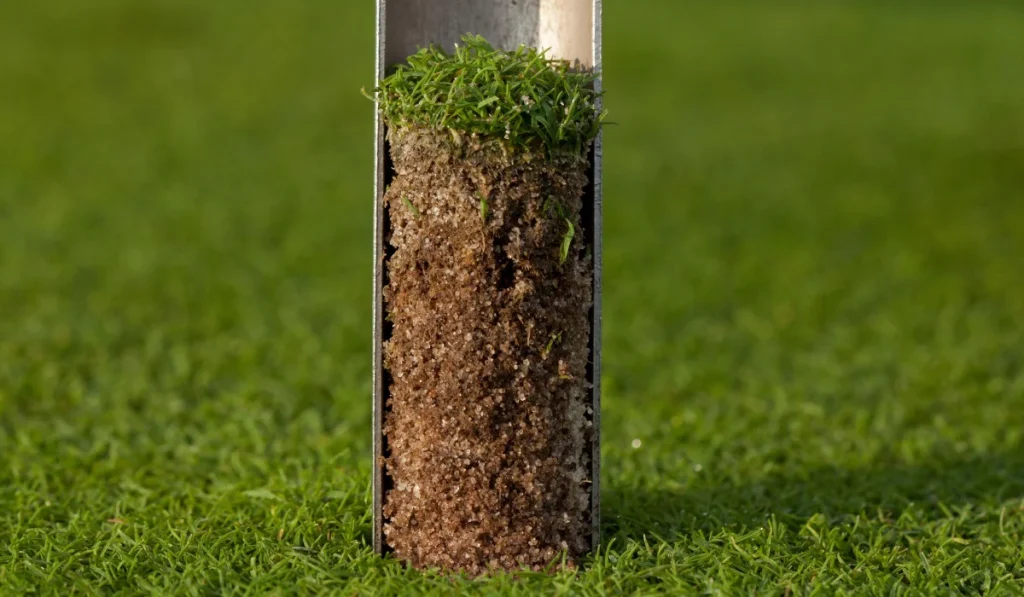
Poor soil structure makes it harder for roots to spread and for water to move evenly. Soil texture, soil type, CEC, and organic matter help show whether the issue is compaction, low holding capacity, or weak soil balance.
Adding organic matter can help improve structure without heavy tillage. This matters for Fresno yards where worn walkways, play areas, or dry sections need better root-zone conditions before new sod or seed can perform well.
Salt Buildup
If soluble salts are high, address them early. Salt buildup can interfere with water movement and nutrient uptake, which makes grass look stressed even after regular care.
Leaching with the right watering approach can help reduce salts in the soil. Your soil test results, electrical conductivity, and ds/m reading can show whether this is a minor issue or something to handle before planting or fertilizing.
Get Soil Test Guidance for Your Fresno Lawn
A soil test gives you useful data, but it may not tell you which lawn product belongs first. Your Fresno lawn also has site conditions to think through, such as sun exposure, irrigation coverage, soil texture, and use from pets, kids, customers, or foot traffic.
If you already have a soil test report, SodLawn can help you use those results when choosing sod, grass seed, fertilizer, or lawn tools for the soil conditions you actually have.
FAQs
How often should you do a soil test?
You should test your soil every 1 to 2 years. This helps you track soil pH, nutrient levels, organic matter, and soil fertility over time, especially before sod installation, major lawn repairs, or a new fertilizer plan.
What does PPM mean on a soil report?
PPM means parts per million. On a soil report, ppm shows nutrient concentrations for items such as phosphorus, potassium, calcium, magnesium, manganese, boron, and sulfate. It helps you see whether levels are very low, adequate, or higher than needed.
Can a soil test help before installing sod?
Yes. A soil sample can show soil pH, organic matter, soluble salts, and nutrient levels before sod goes down. That gives you a better chance to correct soil issues early and support stronger root growth during establishment.