A lawn can contribute to seasonal allergy symptoms when grass pollen, weed pollen, and outdoor molds are stirred into the air during mowing, trimming, raking, or other yard work. The lawn is not always the only source. Wind can carry pollen from nearby properties, trees, weeds, and landscaped areas into an Irvine yard.
If you want to know how to reduce lawn allergens, focus on the parts of the outdoor routine you can control. Keep grass from becoming overgrown, remove weeds before they flower, avoid mowing when pollen conditions are high, clean up carefully after yard work, and maintain irrigation without creating runoff or persistently wet areas.
These steps will not remove every airborne allergen, but they can make routine lawn care more manageable.
Key Takeaways
- Keep the lawn at the recommended height for the turf variety.
- Avoid mowing, raking, or trimming when local pollen conditions are high.
- Remove weeds before they flower and spread more pollen or seeds.
- Wear a protective mask, gloves, and eye protection when yard work triggers symptoms.
- Change clothes, shower, and wash your hair after mowing or gardening.
- Check irrigation coverage and prevent overspray onto sidewalks and driveways.
- Repair thin turf so weeds have fewer open areas where they can establish.
- Ask an allergist for guidance when symptoms remain persistent or severe.
What Lawn Allergens Can Affect an Irvine Yard?
The phrase “lawn allergens” can refer to several outdoor triggers.
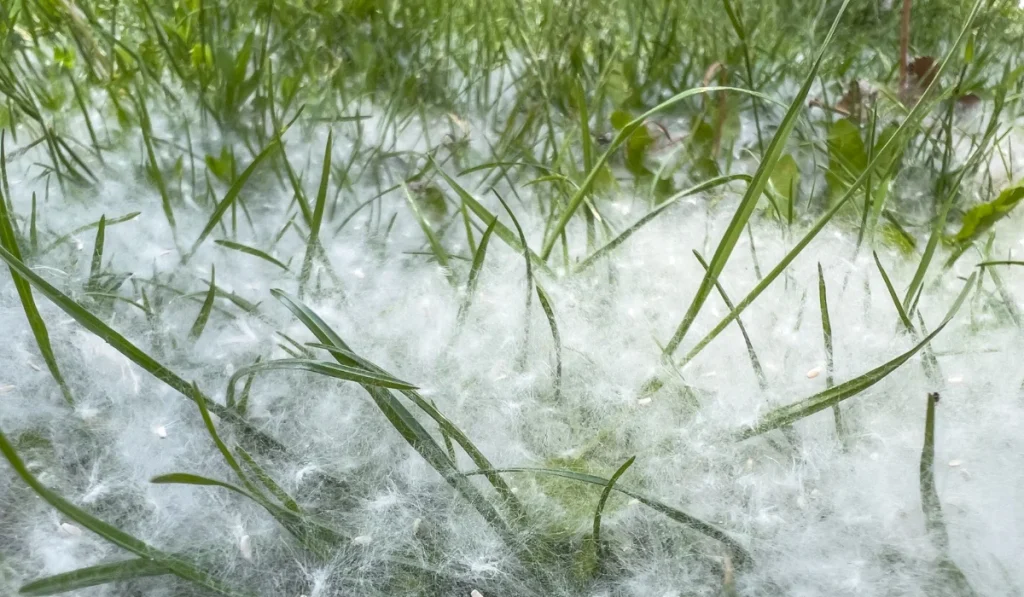
Grass pollen is one of the most common. The American Academy of Allergy, Asthma & Immunology guide to grass allergies explains that grass pollen scatters in the wind. Because it is airborne, it can be inhaled and may contribute to nasal symptoms, irritated eyes, asthma symptoms, or skin reactions in sensitive people.
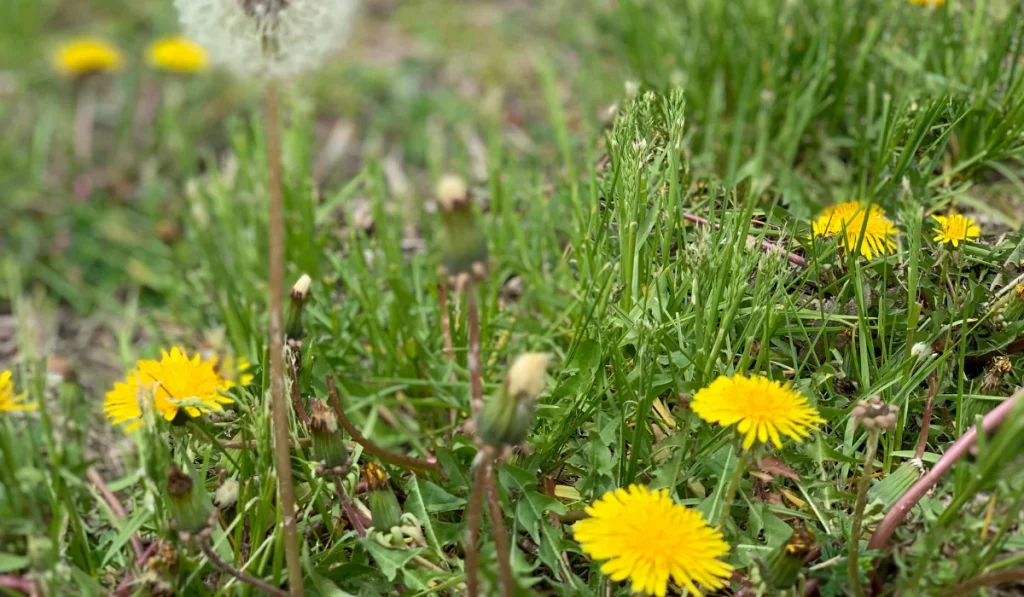
Weed pollen can also affect the yard. A lawn with thin turf or bare soil gives weeds more opportunities to establish. Once those weeds mature and flower, they add another potential source of pollen close to the home.
Outdoor molds may become more noticeable when mowing, raking, or disturbing damp organic debris. The AAAAI guide to outdoor allergens recommends avoiding mowing lawns or raking leaves when possible because these tasks can stir pollen and molds into the air.
Understand What Lawn Care Can and Cannot Change
A well-maintained lawn can reduce some exposure points, but it cannot remove every allergen from the outdoor environment.
Pollen travels through the air. A yard can receive pollen from beyond the property line, including nearby grasses, weeds, and trees. Even a carefully maintained lawn may still trigger symptoms on a high-pollen day.
The goal is to reduce avoidable exposure by managing:
- Overgrown grass
- Flowering weeds
- Thick piles of clippings
- Leaf debris
- Dusty mowing conditions
- Irrigation overspray
- Bare patches where weeds can spread
This approach is more realistic than trying to create a completely allergen-free yard.
Keep Grass From Becoming Overgrown
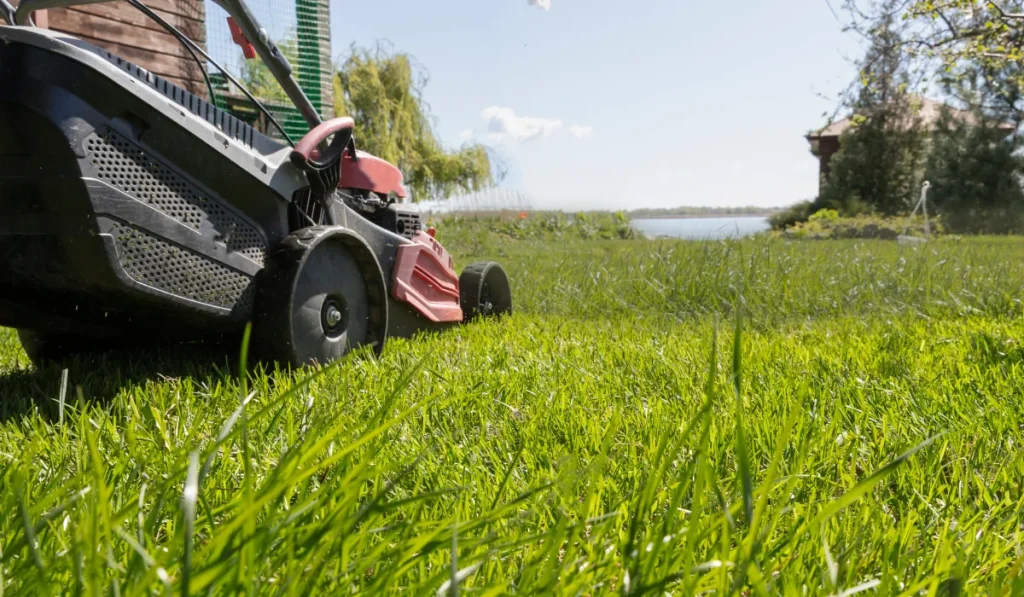
Regular mowing can help keep grass from becoming tall and difficult to manage. However, mowing too aggressively can weaken the turf.
The UC IPM weed-management guide recommends removing no more than one-third of the grass blade during a single mowing session. The correct mowing height depends on the turfgrass species.
Avoid letting the lawn become so tall that the next mowing session produces large piles of clippings or requires several passes. At the same time, do not scalp the turf in an attempt to create a shorter appearance.
A balanced mowing routine helps maintain denser grass. Dense turf leaves fewer open spaces where weeds can grow.
Choose Mowing Days Carefully
The timing of yard work matters when someone in the household is sensitive to outdoor allergens.
The American College of Allergy, Asthma & Immunology gardening guide recommends gardening when pollen counts are not high and checking the local forecast before starting outdoor work.
Before mowing:
- Check local pollen conditions.
- Choose a lower-pollen period when possible.
- Avoid mowing on a windy day.
- Keep windows and doors closed while the work is underway.
- Change clothes after finishing.
- Shower and wash your hair before settling indoors.
A household member with significant symptoms may prefer to assign mowing to someone else when pollen levels are elevated.
Use Protective Measures During Yard Work
Protective clothing can reduce direct exposure during mowing, trimming, and cleanup.
ACAAI recommends using a NIOSH-rated 95 filter mask when mowing the lawn or completing other outdoor chores. Gloves, a hat, and protective eyewear may also help reduce contact with pollen and debris.
Use a simple routine:
- Wear a well-fitting mask.
- Use gloves while handling clippings or weeds.
- Wear glasses or sunglasses to reduce debris exposure around the eyes.
- Remove outdoor shoes before walking through the home.
- Put yard-work clothing in the laundry.
- Shower after finishing.
Follow advice from an allergist or medical professional when symptoms are difficult to control.
Remove Weeds Before They Flower
Weed control matters for both turf health and allergen management.
The UC IPM quick guide to weeds in lawns explains that poor watering, mowing, and fertilization practices can weaken turfgrass and make weed invasion more likely.
Inspect the lawn regularly, especially near:
- Sidewalk edges
- Driveways
- Fence lines
- Irrigation heads
- Bare patches
- Planting beds
- Narrow lawn strips
- Areas with heavy foot traffic
Pull young weeds before they flower or produce seeds. Removing them early is easier than clearing mature growth later.
Do not assume that every weed problem requires herbicide. Hand removal, improved turf density, and better irrigation may solve smaller issues.
Repair Bare and Thin Turf
Bare areas give weeds more room to grow.
Thin turf may develop after:
- Scalping
- Drought stress
- Poor sprinkler coverage
- Soil compaction
- Pet activity
- Foot traffic
- Uneven grading
- Mowing damage
- Open sod seams
Walk through the lawn and identify recurring weak spots. Repair the cause before adding seed or fresh sod.
For example, a thin strip beside the sidewalk may need an irrigation adjustment. A worn path near a gate may need stepping stones or another defined route. A patch damaged by close trimming may need a higher mower setting.
A lawn that remains dense is easier to maintain with fewer weeds.
Keep Clippings Under Control
Short, evenly distributed grass clippings can usually stay on a healthy lawn. Thick piles should be removed or redistributed.
Clippings become harder to manage when:
- The grass is wet
- The lawn has become overgrown
- The mower blade is dull
- Too much growth is removed at once
- The mower deck is clogged
- The equipment leaves heavy rows
Large piles can flatten turf and make cleanup more difficult for someone sensitive to outdoor allergens.
When bagging clippings, handle them carefully and avoid leaving bags or piles near doors, windows, patios, or frequently used outdoor spaces.
Keep Mower Blades Sharp
A sharp mower blade creates a cleaner cut.
Dull blades tear the grass and leave ragged tips. The damaged lawn may look gray, yellow, or brown after mowing.
Sharp blades also help the mower handle grass more evenly, reducing the need for repeated passes that stir additional debris into the air.
Inspect the lawn after mowing. If grass tips appear shredded, sharpen or replace the blade according to the mower manufacturer’s instructions.
Avoid Mowing Wet Grass
Wet grass can clump beneath the mower deck and across the lawn.
It can also make soil compaction more likely when mower wheels move across soft ground.
Wait until the grass blades have dried before mowing. This supports a cleaner cut and reduces heavy clipping piles.
If the lawn needs irrigation, water according to the schedule and let the blades dry before yard work begins.
Manage Leaves and Organic Debris
Leaves, clippings, and other organic debris can collect along fences, beneath shrubs, and around lawn edges.
Remove heavy accumulations before they become difficult to manage. When possible, avoid raking on windy days or when allergy symptoms are already active.
Use a mask and gloves during cleanup. Bag or move debris carefully rather than allowing it to spread across the yard.
Avoid storing leaf piles or grass clippings near outdoor seating areas, doors, or windows.
Check Irrigation Coverage
Irrigation affects lawn density, weed pressure, and routine maintenance.
A lawn with dry patches may thin out and leave openings for weeds. A lawn with too much water may develop soft soil, runoff, and uneven growth.
Run each sprinkler zone separately and look for:
- Overspray onto pavement
- Dry corners
- Water pooling
- Broken sprinkler heads
- Heads blocked by grass or soil
- Uneven pressure
- Water reaching the sidewalk
- Runoff moving toward the street
The Irvine Ranch Water District guide to runoff and overspray explains that overspray landing on sidewalks, driveways, and other hard surfaces can move into streets and local waterways.
Fix sprinkler problems before increasing the runtime.
Water Based on Lawn Needs
A lawn does not need the same watering routine in every part of the yard.
The Irvine Ranch Water District water-wise landscaping guide recommends watering according to plant needs, soil type, and sun exposure. It also advises adjusting irrigation controllers and avoiding runoff on hard surfaces.
A sunny area may need different attention than a shaded section. Clay-heavy soil may absorb water more slowly than sandy soil. A narrow lawn strip may be difficult to water evenly.
Use shorter watering cycles when runoff begins quickly. Pause between cycles so the soil has time to absorb moisture.
Check IRWD’s residential watering schedule before changing the controller.
Avoid Oversaturating the Lawn
More water does not automatically create healthier turf.
Persistently wet soil can create mowing problems, soft areas, and uneven growth. It may also make yard cleanup harder.
Look for:
- Muddy patches
- Standing water
- Soil that stays soft
- Grass that remains wet long after irrigation
- Water collecting around sprinkler heads
- Runoff
- Thin turf in soggy areas
Reduce the runtime and repair irrigation problems before adding more water.
Consider Narrow Lawn Strips Carefully
Some Irvine properties include narrow turf sections beside sidewalks, driveways, or streets.
These areas can be difficult to irrigate efficiently. The IRWD plant-design guide notes that narrow turf areas can be difficult to water without flooding.
A narrow strip may also require frequent edging and trimming, which can stir debris and pollen.
If one section remains difficult to maintain, consider whether a different landscape treatment would work better for that location. Keep the main lawn where it performs well and reduce turf in areas that repeatedly create maintenance problems.
Keep Outdoor Allergens From Moving Indoors
Yard work can track pollen and debris into the home.
The ACAAI seasonal-allergy guide recommends changing clothes after outdoor exposure and using protective measures during mowing.
After lawn care:
- Leave outdoor shoes near the entrance.
- Change clothes.
- Shower.
- Wash your hair.
- Clean reusable protective equipment.
- Keep windows closed during mowing.
- Avoid drying laundry outdoors when pollen conditions are high.
These habits can reduce the amount of outdoor material carried into indoor spaces.
Choose a Maintenance Routine That Fits the Household
A lawn-care plan should reflect how the yard is used.
Consider:
- Who completes the mowing
- Whether someone in the household has seasonal allergies or asthma
- Whether children play on the lawn
- Whether pets use the yard
- How frequently weeds appear
- Whether the lawn has thin patches
- How much irrigation the property needs
- Whether narrow lawn strips create extra maintenance
If mowing consistently triggers symptoms, delegate the task when possible or hire professional help.
New Sod and Lawn-Allergen Management
Fresh sod can help restore bare or damaged areas after the source of the problem has been corrected.
New sod still requires an establishment period. It needs more frequent moisture while roots develop and should be protected from heavy foot traffic.
During establishment:
- Follow the watering instructions for the turf variety.
- Prevent runoff.
- Limit unnecessary foot traffic.
- Wait until the sod has rooted before mowing.
- Watch for open seams.
- Repair dry edges.
- Keep weeds from taking hold in gaps.
Do not promise that replacing turf will eliminate allergies. Airborne pollen can come from beyond the property. The value of fresh sod is that it can restore a denser, more manageable lawn after irrigation, weed, or soil problems have been addressed.
Choose Sod for the Property Conditions
A lawn is easier to maintain when the grass variety fits the site.
Before choosing sod, consider:
- Sun exposure
- Shade
- Foot traffic
- Pets
- Soil conditions
- Irrigation coverage
- Maintenance preferences
- Narrow lawn strips
- Seasonal growth patterns
SodLawn provides sod delivery and installation in Irvine for residential and commercial properties.
Enter the ZIP code for the property to compare locally available options.
Avoid Common Lawn-Allergen Mistakes
Avoid these mistakes:
- Letting grass become overgrown
- Scalping the lawn during one aggressive mowing session
- Mowing on a windy, high-pollen day
- Raking debris without protective measures
- Leaving mature weeds in place
- Tracking mowing clothes through the home
- Overwatering the lawn
- Ignoring sprinkler overspray
- Assuming a new lawn will eliminate airborne pollen
- Applying herbicide without identifying the weed
- Replacing turf before correcting irrigation or soil problems
A consistent routine usually works better than a major one-time cleanup.
Build a Simple Lawn-Allergen Routine
Use this checklist during the active growing season:
- Check local pollen conditions before mowing.
- Delay yard work when pollen levels are high if possible.
- Wear protective clothing and a suitable mask.
- Mow at the correct height for the turf type.
- Remove no more than one-third of the grass blade.
- Pull young weeds before they flower.
- Remove heavy clipping piles.
- Check sprinkler coverage.
- Prevent overspray and runoff.
- Change clothes and shower after yard work.
- Repair bare patches before weeds spread.
- Contact an allergist when symptoms remain difficult to manage.
Know When the Lawn Needs a Larger Repair
A lawn may need renovation when:
- Bare areas continue spreading
- Weeds fill large sections
- Irrigation coverage remains uneven
- Sod seams stay open
- Compaction prevents water from reaching the roots
- Scalping damage keeps returning
- Narrow strips remain difficult to maintain
- Several repair attempts have failed
- The turf variety does not suit the site
Correct the cause before replacing the grass.
Fresh sod can struggle again when the same irrigation, mowing, and soil problems remain in place.
Refresh Your Irvine Lawn With SodLawn
Reducing lawn-related allergen exposure starts with a manageable yard-care routine. Keep grass at the right height, remove weeds early, check irrigation coverage, clean up carefully, and repair thin turf before it becomes harder to maintain.
If your Irvine lawn has large bare or damaged areas, SodLawn can help you compare turf options for the property. Enter your ZIP code to view sod varieties available near your Irvine home or business and plan your lawn project.
Frequently Asked Questions
How Can I Reduce Lawn Allergens?
Keep the grass at the correct height, remove weeds before they flower, check pollen conditions before yard work, use protective equipment, prevent clipping piles, and maintain a dense lawn with appropriate irrigation.
Does Mowing Make Grass Allergies Worse?
Mowing can stir grass pollen and outdoor molds into the air. AAAAI recommends avoiding mowing or raking when possible if these tasks trigger symptoms.
Should I Mow When Pollen Counts Are High?
Delay mowing when possible. ACAAI recommends gardening when pollen conditions are not high and checking the local forecast before outdoor work.
What Should I Wear While Mowing if I Have Allergies?
ACAAI recommends using a NIOSH-rated 95 filter mask during mowing and other outdoor chores. Gloves, protective eyewear, and clothing that can be changed afterward may also help reduce exposure.
Do Weeds Contribute to Lawn Allergens?
Yes. Some weeds release pollen, and mature weeds can spread seeds across thin turf. Remove weeds before they flower and repair bare areas where new weeds can establish.
Can Overwatering Make Lawn Maintenance Harder?
Yes. Excess irrigation can create soft soil, runoff, and uneven turf growth. Adjust the sprinkler system to the lawn’s actual needs and prevent overspray onto sidewalks or driveways.
Will New Sod Eliminate Lawn Allergies?
No. Airborne pollen can travel from beyond the property. New sod can help restore a denser, more manageable lawn after bare areas, irrigation problems, or weed issues have been corrected.
What Should I Do After Mowing?
Change clothes, remove outdoor shoes, shower, and wash your hair. Keep windows closed during mowing so pollen and debris are less likely to move indoors.
When Should I Contact an Allergist?
Contact an allergist when symptoms remain persistent, severe, or difficult to identify. An allergist can help identify triggers and recommend an appropriate management plan.