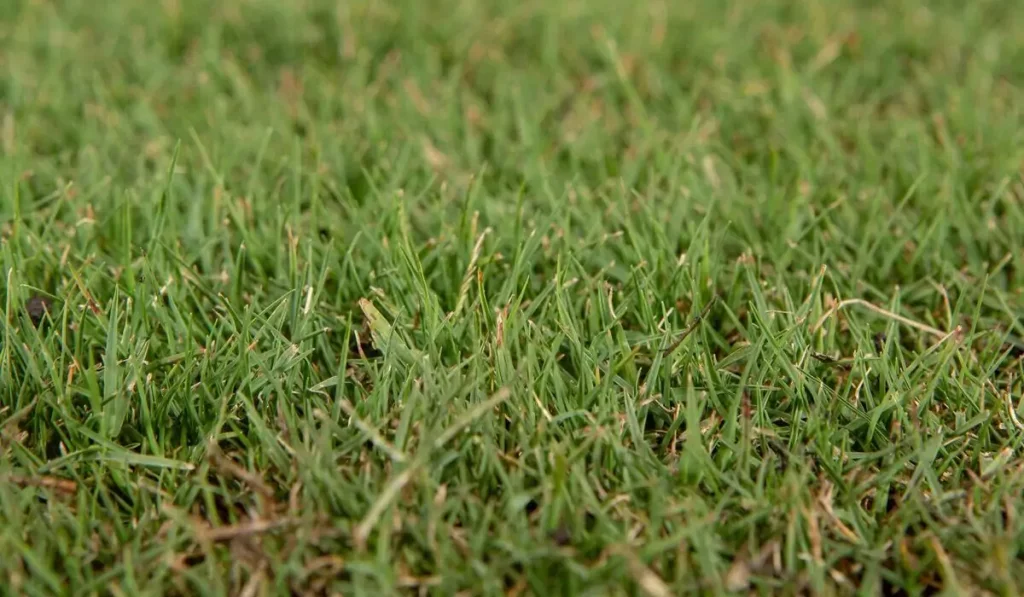
If you have a Bermuda grass lawn, keeping it green and weed-free requires regular lawn care. Many products labeled as weed and feed claim to fertilize your lawn while killing weeds at the same time.
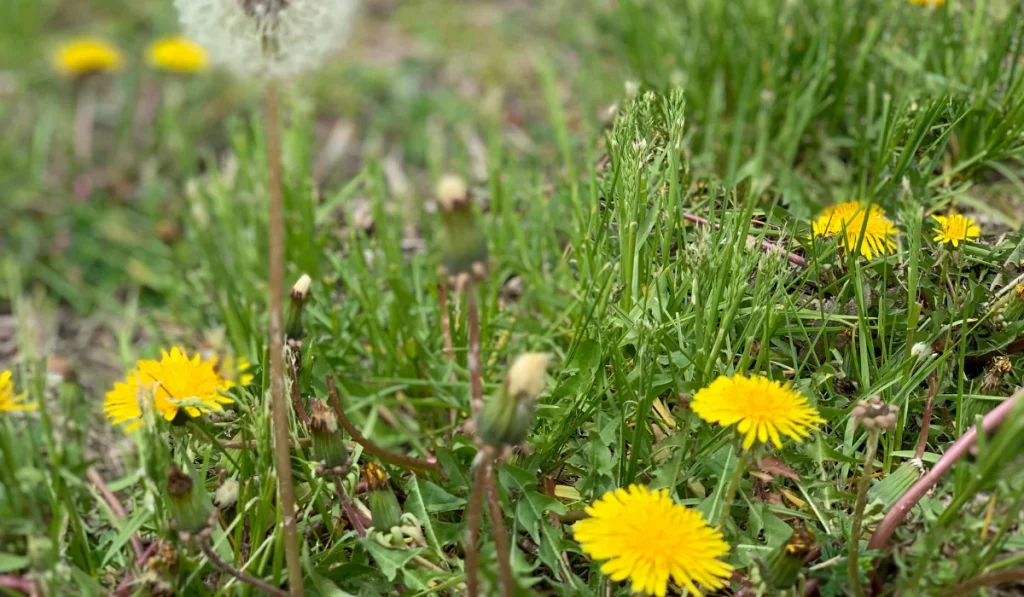
In California, warm-season grasses grow well, but weeds like crabgrass and dandelion grow just as fast. This rapid weed growth makes weed-and-feed sound like an easy option. However, weed-and-feed does not always work well on Bermuda grass. Results depend on timing, temperature, and lawn health. When applied incorrectly, it can damage your lawn rather than help it.
This guide explains when weed-and-feed works on Bermuda lawns, why it fails, and safer ways to grow healthy, weed-free grass.
Key Takeaways
- Weed-and-feed can help control broadleaf weeds in Bermuda lawns when applied at the right time.
- Incorrect timing or overuse may weaken Bermuda grass or stunt new growth.
- Pre-emergent and post-emergent herbicide programs often perform better in California climates.
- SodLawn offers expert lawn advice, sod delivery, and installation to help you maintain strong, weed-free Bermuda grass.
When Weed and Feed Works for Bermuda Grass
Weed and feed works best after Bermuda grass establishes strong roots and begins active growth. The fertilizer supports root growth and color, while the herbicide targets broadleaf weeds like dandelion, dollarweed, and chickweed.
The best time to apply weed-and-feed is early spring, after Bermuda begins to green up but before summer heat arrives. Soil temperatures should reach at least 65°F for the herbicide to work well. Always follow the directions on the product label.
If you recently overseeded with ryegrass or other grass seed, avoid products that can harm Bermuda grass. Many weed-and-feed products can damage young grass or prevent seeds from sprouting.
When applied correctly, weed-and-feed granules can treat large areas and support steady growth during the warm months. Steady growth helps Bermuda grass grow thick enough to crowd out weeds. A second application in late spring may be helpful if weeds such as chickweed or clover remain.
A good spreader helps apply the product evenly and lowers the risk of overfertilizing. Choose products made for common bermudagrass, not bluegrass or other cool-season grasses, which need different nutrients.
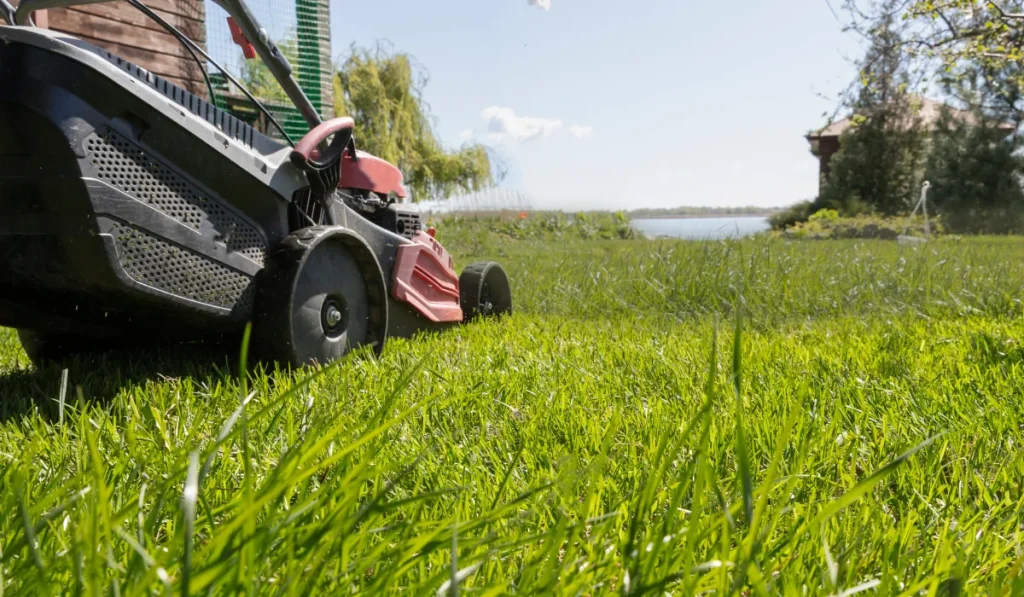
To keep Bermuda grass healthy, combine weed and feed with regular mowing and fertilizing. A thick Bermuda lawn leaves less space for weeds to grow.
When you’re unsure about timing or application rates, SodLawn can recommend seasonal care plans that suit California’s climate zones and local soil types. We also offer sod delivery and professional installation services across California.
Why Weed and Feed Fails on Bermuda Grass
Although Bermuda grass is tough, weed-and-feed can fail for several reasons, typically due to timing and stress.
Applying weed-and-feed too early, while the lawn is still dormant, results in poor weed control because weeds have not yet begun to grow. Applying it too late can burn grass blades during hot weather. High temperatures can dry out the turf and cause yellow patches or root damage.
Applying weed-and-feed immediately after mowing also increases the risk of injury. Freshly cut grass absorbs chemicals faster, which can stress the lawn.
The type of herbicide also matters. Some blends include dicamba, which targets broadleaf weeds but can cause temporary discoloration in common bermudagrass if used at high rates.
You should also wait at least three weeks for your lawn to establish before applying any herbicide. Always test a small section before using it across the entire yard.
Avoid using weed-and-feed on newly laid sod or during overseeding. Herbicides can weaken young roots and inhibit new grass growth, especially when combined with pre-emergent products.
When weed-and-feed products do not work, spot treatments often work better. Targeted weed killers applied with a sprayer limit damage to healthy grass. We can help you choose the right product and timing for your lawn.
Safer Alternatives for Weed Control in Bermuda Lawns
For many California homeowners, separate fertilizer and weed-control steps are more effective than all-in-one products.
Start in early spring with a pre-emergent herbicide to prevent crabgrass and other grassy weeds from sprouting. This barrier remains active for several months, especially when watered correctly. If weeds like henbit or chickweed appear later, a post-emergent spray can take care of them without affecting the Bermuda.
In early fall, a light feeding helps the roots store potassium for winter. Choose a slow-release lawn fertilizer that nourishes the turf without burning it. Maintaining steady nutrient levels helps the lawn recover faster from summer stress and remain dense enough to crowd out future weeds.
Mowing also plays a big role. Keep Bermuda grass between 1 and 2 inches tall. Cutting too low exposes soil and encourages weed growth.
Consistent care works best for warm-season lawns. We can guide you through soil testing, feeding schedules, and weed control plans suited to your region.
Choosing the Right Lawn Strategy for California’s Warm-Season Grasses
Bermuda grass thrives in California’s sunny, dry summers, but the same heat encourages weeds like nutsedge, crabgrass, and dollarweed. The best time to control these weeds depends on their growth stage and local weather patterns.
Instead of relying on a single weed and feed treatment, plan for long-term care. A strong lawn program includes:
- Soil testing to guide fertilizer choices
- Targeted herbicides applied during the correct season
- Proper watering and mowing to support thick turf
If your yard includes St. Augustine grass, bahia grass, bluegrass, or fescue, take extra care. Some herbicides safe for Bermuda grass can harm other grass types.
Making the Right Choice for Your Bermuda Lawn
A healthy Bermuda lawn doesn’t rely on shortcuts. While weed-and-feed can help in certain conditions, its success depends on precise timing and careful application. Most California homeowners see better results with targeted weed control and regular fertilizer programs.
If you want a lush, weed-free yard that lasts through summer, start with the right sod and expert guidance.
At SodLawn, our team can help you choose top-quality Bermuda sod, plan seasonal care, and keep your lawn thriving year-round. Whether you need sod delivery, installation, or reliable lawn advice, we’re here to make your lawn the best on the block.
Contact us today for expert advice or to schedule Bermuda sod delivery for your California home.
FAQs
What’s the best time to apply weed and feed for Bermuda grass in California?
In most regions of California, the best time is late March through April, once daytime temperatures reach the 60s and Bermuda begins to green up. Avoid applying during dormancy or peak summer heat.
Can I use weed-and-feed on new Bermuda sod?
No. Avoid using weed-and-feed until the sod has fully rooted, usually after 8–10 weeks. Applying herbicides too soon can stunt growth and prevent strong root establishment.
What’s a safer alternative for weed control in Southern California lawns?
Separate pre-emergent and post-emergent herbicide treatments, paired with consistent mowing and deep watering, are most effective. SodLawn can guide you toward region-specific solutions that keep your Bermuda lawn healthy without overusing herbicides.