Overseeding with ryegrass keeps Anaheim lawns green through the cooler months, but it should not stay in control once bermudagrass wakes up. As soil temperatures rise, your summer grass needs sunlight, airflow, and room to spread.
The hard part is timing. Push the winter rye too soon while your bermuda lawn is still in dormancy, and you can end up with bare patches. Wait too long, and annual or perennial ryegrass keeps using the water, nutrients, and space your warm-season grasses need for the summer months.
This guide explains how to transition from winter rye to summer grass in Anaheim without setting back your established lawn. You’ll learn the best time to start, how to thin ryegrass, and how to help a healthy lawn fill in across every square foot.
Key Takeaways
- Timing matters. Start the spring transition when soil temperatures reach about 65°F, and bermudagrass begins coming out of dormancy.
- Use mowing, reduced watering, dethatching, and verticutting to thin ryegrass gradually.
- Support bermudagrass with lawn fertilization, aeration, steady mowing, and a lawn care plan that fits your grass type.
When to Transition From Winter Rye to Summer Grass
Before you change the mowing height or irrigation schedule, make sure your Anaheim lawn is showing the right signs.
Start When Soil Temperatures Reach About 65°F
The best time to transition from winter rye to summer grass in Anaheim is when soil temperatures stay near 65°F, usually around late spring. That is when bermudagrass starts active root growth and can fill in as the ryegrass fades.
This timing matters because bermudagrass needs warmth before it can recover well. If the lawn is still coming out of dormancy, it will not fill bare spots as quickly.
Do Not Push Ryegrass Out Too Early
Do not rush this step in early spring just because the weather feels warmer. Your turfgrass may still be slow below the surface, and forcing ryegrass out too soon can leave bare patches before new grass is ready to spread.
A gradual transition gives your warm-season grasses time to take over without leaving the lawn thin. This is especially helpful in areas with shade, compaction, or heavier foot traffic.
Watch for Bermudagrass Green-up
Look for small green bermuda shoots moving through the lawn. That green-up shows the growing season has started and your summer grass is ready for a change in lawn maintenance.
Check the whole yard before adjusting mowing or watering. Shady corners, compacted areas, and spots with uneven sprinkler coverage may lag behind the sunnier parts of the lawn.
Use Local Timing Guidance
Your local extension office can help confirm timing based on soil temperatures and grass type. Use that guidance with what you see in your own lawn, especially if your yard has mixed sun exposure, uneven sprinkler coverage, or past compaction problems.
Consider Anaheim Climate
Anaheim’s mild winters and warm late spring weather can make the shift from cool-season grasses to bermudagrass move quickly. Once summer heat builds, ryegrass can decline fast, but a thick stand can still slow your summer lawn.
For many homeowners, this transition belongs on the spring lawn care checklist. It is a good time to tune up your lawn mower, sharpen mower blades, check sprinkler coverage, clear dead grass, keep mulch out of turf edges, and look for weed growth before summer lawn needs increase.
How to Thin Out Winter Rye
Once the timing is right, thin the winter grass without shocking the bermudagrass underneath. You are not trying to scalp the yard in one pass. You are weakening ryegrass step by step so your warm-season grasses can take over cleanly.
Lower Your Mowing Height Gradually
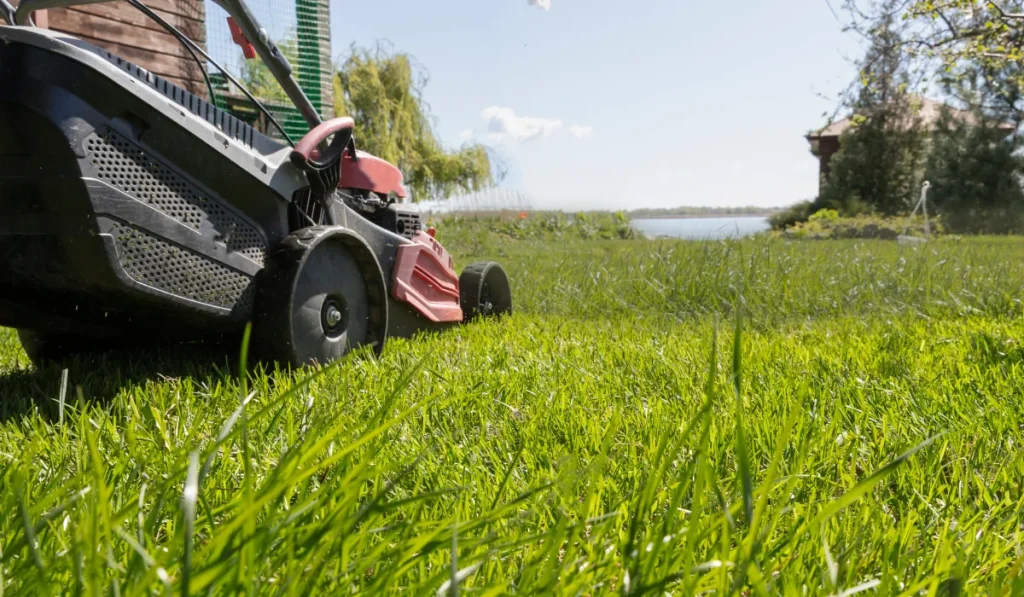
Lower your mowing height a little below your usual setting. This puts pressure on ryegrass and opens the canopy so sunlight reaches the bermuda.
Use sharp mower blades, and never remove more than one-third of the grass blade in a single mowing. A clean cut helps protect the turfgrass while you move through the transition.
Adjust Watering to Slow Ryegrass Growth
Ryegrass likes steady moisture, so reducing irrigation helps slow it down. Bermudagrass needs less frequent watering once active, but do not dry the lawn out so much that new growth stalls.
Aim for deep, practical watering based on your lawn needs, often around an inch of water per week when conditions call for it. Watch how the lawn responds, especially in sunny areas, high foot traffic spots, and places with uneven sprinkler coverage.
Use Dethatching or Verticutting When the Lawn Is Thick
Dethatching helps when thatch buildup blocks airflow, water, and sunlight. If the lawn was heavily overseeded, verticutting can also thin ryegrass and open space for bermudagrass runners.
These lawn care tips work best when the lawn is growing, not while it is still dormant. If the grass is already thin, skip aggressive dethatching and focus on mowing, watering, and recovery.
Manage Grass Clippings During the Transition
Bag grass clippings early if the winter rye is thick or full of seed heads. This helps reduce leftover grass seed and keeps the surface cleaner.
Later, once bermudagrass is actively growing, leaving light grass clippings can return nutrients to the soil without adding extra buildup.
How to Support Summer Grass Recovery
After thinning winter rye, focus on recovery.
Your summer grass needs strong roots, steady mowing, and enough nutrition to fill bare patches before the heaviest summer heat arrives. Even if you handle most lawn maintenance yourself or work with professional lawn care, the transition still depends on timing, mowing, watering, and soil conditions.
Small problems often show up during this stage.
Thin areas may point to compaction, weak sprinkler coverage, weed seeds, crabgrass pressure, or signs of grubs and other infestations. Catching those issues in late spring gives your bermudagrass a better chance to build lawn health before peak use.
Fertilization for Growth
Avoid feeding too early while ryegrass is still dominant. Lawn fertilization before bermudagrass is actively growing can push the cool-season grasses you are trying to phase out.
Once bermudagrass is spreading, apply fertilizer that fits your grass type and soil needs. A slow-release product can support even growth without a quick surge. If you are not sure what your soil is missing, a soil test can help shape your lawn care plan.
Aeration and Soil Health
Aeration helps loosen compacted soil so water, nutrients, and oxygen can reach the roots. When you aerate at the right time, bermudagrass can grow deeper, stronger roots and recover faster from wear.
This is especially helpful for Anaheim home lawns with kids, pets, patio traffic, or narrow side yards that get repeated foot traffic. Aeration also helps sprinkler water move into the soil instead of running off or pooling near the surface.
Managing Pre-Emergent Applications
Pre-emergent products can help with weed control during the transition, especially when weed seeds and crabgrass are active. Timing matters because you do not want a pre-emergent application to interfere with recovery or new grass establishment.
Follow local cooperative extension guidance and product directions for your lawn type and cultivars. If you use a pre-emergent herbicide as part of spring lawn care, match the timing to your bermudagrass growth stage, not just the calendar.
Addressing Thin or Damaged Areas
Some areas may not fill in evenly after winter rye fades. Bare spots can come from shade, compaction, poor irrigation, heavy foot traffic, or dead grass left behind after cleanup.
If thin areas are small, better mowing, watering, and fertilization may be enough.
For larger bare patches, sod can give you faster coverage than waiting for germinating grass seed. A drought-tolerant sod is a strong fit for many Anaheim landscaping projects because it handles heat, use, and regular lawn maintenance well.
Get Help Transitioning to Summer Grass in Anaheim
Transitioning from winter rye to summer grass in Anaheim comes down to timing, clean thinning, and steady recovery. Start when bermudagrass is ready, reduce ryegrass gradually, and support new growth with the right mowing, watering, aeration, and lawn fertilization steps.
If your lawn is left with thin spots, uneven growth, or larger repair areas after the ryegrass fades, SodLawn can help you choose the right sod, grass seed, fertilizer, and tools for your property. Whether you need to patch bare spots or refresh a larger Anaheim lawn, you can order quality lawn products backed by local sod farm relationships and competitive California pricing.
With the right spring transition, your bermudagrass can head into the summer months with better coverage, stronger roots, and a cleaner path to a healthy lawn.
FAQs
How long does it take for bermudagrass to take over after winter rye?
Bermudagrass usually starts taking over as soil temperatures rise in late spring, but the timeline depends on weather, grass type, mowing, and watering. You may see new grass spreading within several weeks, while full coverage can take longer in shaded, compacted, or high foot traffic areas.
Should you remove all ryegrass before summer?
No. Removing all ryegrass at once can leave bare patches before bermudagrass has enough growth to cover them. Gradual thinning through mowing, reduced watering, dethatching, and careful cleanup gives your summer grass time to spread without exposing too much soil.
Can you overseed bermudagrass every year with ryegrass?
Yes, many homeowners overseed bermudagrass with ryegrass for winter color. The key is having a spring lawn care plan for the transition back to warm-season grasses. That plan should include proper mowing, sprinkler adjustments, weed control timing, and support for bermudagrass recovery.