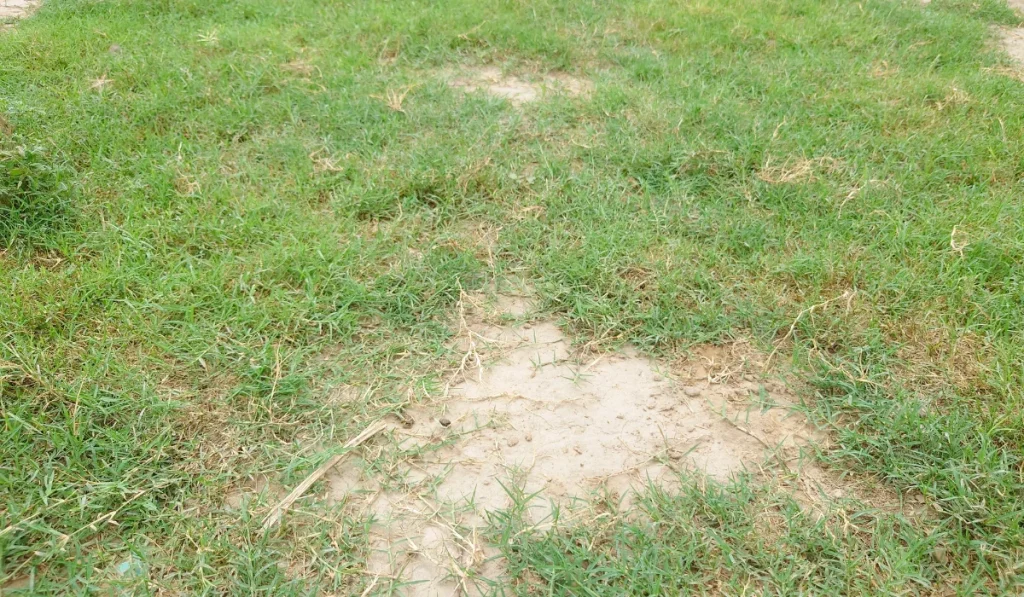
If you look at your yard and see bare spots in the grass, you are not alone. Many California homeowners deal with small or large patches where grass will not grow. These areas can make a lawn look uneven and unhealthy.
Bare spots often mean a problem with the soil, roots, or daily lawn care. Issues such as compacted soil, grubs, pet urine, or lawn disease can kill grass and leave patches. If left untreated, these problems can spread. The good news is that most bare spots are easy to fix with the right steps.
In this guide, you will learn what causes bare spots, how to repair them, and how to prevent their recurrence. Whether you live near the coast or in a hot inland area, you can grow a healthy lawn with proper care.
Key Takeaways
- Grubs, pet urine, compacted soil, and overwatering often cause bare spots in California lawns.
- Fixing bare spots includes removing dead grass, aerating the soil, and adding grass seed or sod.
- Regular lawn care and proper mowing help prevent bare patches from returning.
- Choosing grass that matches your local climate helps keep your lawn thick and green year-round.
Common Causes of Bare Spots in Your Lawn
When you see thin grass or dead patches, you need to find the cause before fixing your lawn. Many California lawns face similar challenges due to heat, drought, and heavy foot traffic.
Here are the most common causes of bare spots:
- Grubs and digging pests: Grubs feed on grass roots, weakening the turf and leaving the surface loose and brown. It is also common to see secondary damage from animals like raccoons and opossums digging up lawns to feed on grubs. Soft soil, lifted turf, and repeated digging in the same area are strong indicators of this issue.
- Fungal disease: Warm, wet conditions can lead to brown patch or other lawn diseases. Poor airflow, thick thatch, and overwatering can worsen these issues.
- Compacted soil: Heavy foot traffic or equipment packs soil tightly, blocking air and water from reaching the root system. These factors can lead to weak, thin grass and visible bare patches.
- Pet urine: High nitrogen levels in dog urine burn the grass, leaving yellow or brown circles that spread over time.
- Mowing and watering mistakes: Cutting grass too short or watering too often can stress the lawn. Short mowing exposes the soil to heat, while overwatering suffocates roots.
- Poor soil quality: Without sufficient nutrients or proper drainage, grass struggles to grow evenly, resulting in dead patches and uneven coloration.
A quick soil test can reveal nutrient or drainage problems so you can adjust your lawn care routine.
How to Fix Bare Patches and Dead Grass
Once you understand what’s causing your lawn problems, you can start lawn repair. Restoring bare patches takes a few simple steps to help new grass grow evenly and stay healthy.
- Clear away dead grass: Start by removing thatch, weeds, and debris from the damaged areas. Clearing the surface gives new grass seed or sod space to take root.
- Aerate the soil: If the soil feels hard or compacted, aerate it with a garden fork or core aerator. Aerating your soil opens up space for water, air, and nutrients to reach the root system.
- Add fresh topsoil: Spread a thin layer of high-quality topsoil over bare patches to level the surface and provide a healthy base for new growth.
- Apply grass seed or sod: For small areas, reseed using a matching grass seed blend. For larger or more visible sections, install sod for instant coverage. Both options help new grass germinate quickly and blend with your existing lawn.
- Water regularly: Keep the soil lightly moist while the new grass grows. Water daily at first, then less often as the roots develop. Deep watering encourages stronger root growth and a thicker lawn.
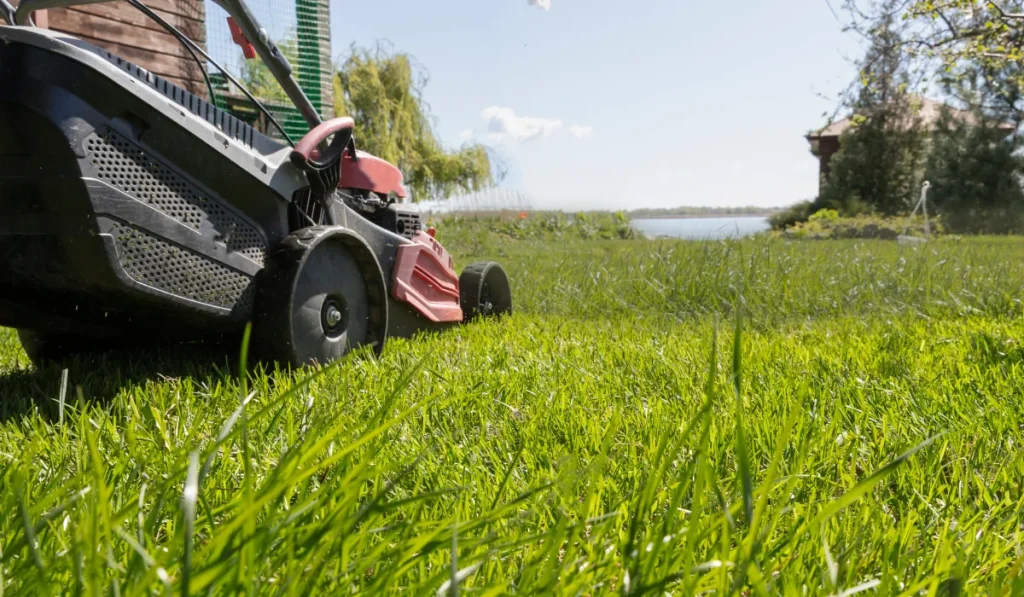
- Wait before mowing: Hold off until your new grass reaches about 3 inches tall. Use sharp mower blades to avoid damaging young shoots.
For fast results, sod covers bare spots right away. We deliver locally grown sod across California, making it easy to repair your lawn with grass that fits your region.
Preventing Future Bare Spots With Proper Lawn Care
Fixing your lawn is one thing. Keeping it green and full takes consistent lawn care. According to Washington State University, lush turf that is overfertilized and overwatered is more susceptible to infection.
You can prevent bare patches, dead spots, and thinning grass from returning by achieving a balanced lawn care routine:
- Mowing: Maintain the proper mowing height for your grass type. Cool-season grasses like fescue and Kentucky bluegrass typically perform best around 2.5 to 3 inches, while bermuda grass is usually kept much lower, around 0.75 to 1.5 inches, depending on maintenance level. Cutting too short weakens the grass blade and exposes soil to heat, increasing the risk of brown or dead spots. Professionals also avoid removing more than one-third of the grass height at a time and keep mower blades sharp to ensure a clean, consistent cut.
- Watering: California’s dry weather makes a consistent watering schedule important. Water deeply once or twice a week to encourage deeper root growth. Overwatering can cause shallow roots and increase the risk of bare spots in your lawn.
- Overseeding: In spring and fall, overseeding helps fill thin areas before they become bare patches. It keeps your lawn thick enough to crowd out weeds and maintain a healthy lawn. After overseeding, apply a slow-release lawn fertilizer to promote steady root growth.
- Aerate the soil: Over time, soil becomes compacted from heavy foot traffic and mowing. When you aerate, air and nutrients can reach the roots more easily, improving overall root growth and lawn strength.
- Topdress with compost or mulch: After aerating, topdress the lawn with compost or fine mulch to enrich the topsoil, improve texture, and help the soil retain moisture.
- Monitor for early signs of stress: Watch for light green patches, brown tips, or thinning areas in your lawn. Catching these early prevents dead patches and the need for large-scale lawn repair later.
We can help plan a year-round lawn care schedule based on California weather patterns.
Choosing the Right Type of Grass for California Yards
The type of grass you plant plays a big role in preventing bare spots. Because California’s climate varies by region, the best choice depends on your location and how you use your lawn.
Warm-season grasses like Bermuda and Zoysia perform well in Southern California’s hot, dry conditions. They are more drought-tolerant and recover quickly during the active growing season, which helps reduce thinning and bare patches over time.
Cool-season grasses, such as fescue, perform better in coastal and northern areas. Fescue stays green all year, has deep roots, and grows well through cooler months.
If your yard includes both full sun and shaded areas, it is usually more effective to match grass types to those specific conditions rather than rely on a single blend. Bermuda grass performs best in full sun, while shaded areas often require a more shade-tolerant option like fescue to maintain consistent coverage.
For high-traffic or drought-prone areas, TifTuf Bermuda sod is a strong choice for its durability, quick recovery, and low water requirements. In contrast, cooler or shaded sections of the lawn may benefit from fescue sod to maintain density where Bermuda struggles.
You can also use sod to patch problem areas, especially where grass has thinned due to stress or uneven conditions. A targeted approach like this helps maintain a more uniform lawn instead of forcing one grass type to perform in conditions it is not suited for.
You can use sod to patch your lawn in problem areas while keeping seed for lighter touch-ups. Fescue sod is also a strong option for its thick, year-round color.
Our local experts can help you choose the right sod blend for your region, ensuring a thick, healthy lawn that lasts through every season.
Seasonal Factors That Affect California Lawns
Hot summers dry out soil and can force grass into dormancy, especially on slopes or sandy soil. In winter, warm-season grasses may turn brown, while cool-season grasses slow their growth.
Water early in the morning during summer and reduce watering in cooler months. Overseeding and soil care help lawns recover faster from seasonal stress.
We offer seasonal lawn care guidance to help homeowners protect their grass year-round.
Bringing Your Lawn Back to Life With SodLawn
Bare spots do not have to ruin your yard. With the right repair plan and the right grass, you can restore your lawn and keep it healthy.
Start by finding the cause, such as grubs, pet urine, or compacted soil. Then remove dead grass, aerate the soil, and add seed or sod. Consistent care helps prevent bare spots from recurring.
At SodLawn, we help California homeowners repair lawns with high-quality, locally grown sod. Whether you need to fix one patch or replace an entire lawn, our team can guide you to the best solution.
Contact us today for help fixing bare spots and building a healthy, green lawn that lasts.
FAQs
Why do I keep getting bare spots on my lawn in California?
Bare spots usually come from compacted soil, heat stress, or grubs. Heavy foot traffic and poor drainage also weaken roots, especially during hot California summers.
What is the best grass seed for patching bare spots in California lawns?
Fescue and Bermuda grass are both common in California, but they are repaired differently. Fescue lawns can be patched using grass seed or sod, depending on the situation, while Bermuda grass is typically repaired with sod or plugs rather than seed to ensure faster, more even coverage. Choosing the right method based on your grass type helps the lawn recover more quickly and maintain a consistent appearance.
How can I fix pet urine damage and dead patches in my California lawn?
Flush the area with water to dilute salts, remove dead grass, and reseed or replace it with fresh sod. Choosing drought-tolerant grass from SodLawn helps your lawn recover faster and prevents future bare patches.