Golf course grass stands out because it looks smooth, dense, and evenly maintained. That appearance starts with the turf variety, but the finished result also depends on sunlight, soil preparation, installation, mowing, and irrigation. Choosing sod gives you a mature, uniform surface from the beginning, which makes it easier to create a polished lawn without waiting for seed to fill thin or uneven areas.
Before selecting grass, decide which part of a golf course you want your lawn to resemble. Most homeowners want the clean, trimmed appearance of a fairway rather than the ultra-short surface of a putting green. That distinction matters because a true putting surface requires more exact grading, specialized mowing, and frequent maintenance.
California’s varied climates also affect the decision. A sunny yard in the Central Valley has different needs than a coastal property with cooler summers or a Northern California lawn with longer periods of mild weather. The best golf course grass for your home should fit the property first and deliver the appearance you want second.
What Golf Course Grass Really Means
Golf courses use different turf types across greens, tees, fairways, and rough areas because each surface serves a different purpose. Putting greens need turf that can tolerate very low mowing and support a smooth ball roll. Fairways need an even texture, dense growth, and enough durability to recover from regular traffic.
The USGA Green Section’s turf management resources show how closely professional courses manage mowing, moisture, drainage, and surface conditions. That level of care is designed for golf performance, not ordinary backyard use.
For most homes, a fairway-style lawn is the more practical goal. You can still create a clean, refined surface while keeping the grass tall enough to support stronger roots and routine family use. This approach works better for yards that serve as play spaces, gathering areas, or paths between patios, gardens, and other outdoor features.
The Best Golf Course Grass for California Homes
The best golf course grass for home use depends on temperature, sunlight, traffic, and seasonal expectations. Warm-season turf often performs well in hot, sunny parts of California, while some cooler regions may be better suited to cool-season grass.
Shade also deserves close attention. Many fine-textured grasses associated with fairways need several hours of direct sun to stay dense. If buildings, fences, or mature trees block much of the light, appearance alone should not drive your choice.
Bermudagrass for Sunny, Active Yards
Bermudagrass is commonly used where warm weather, close mowing, and regular traffic are part of the landscape. It develops a dense surface under suitable conditions and can recover from wear during active growth. These qualities make Bermuda grass for golf courses relevant to homeowners who want a polished lawn that can still handle children, pets, and outdoor entertaining.
TifTuf Bermuda grass is one option for sunny California properties. It is valued for heat tolerance, drought tolerance, dense growth, and recovery from moderate wear. It performs best in strong sunlight, so it may not be the right match for a heavily shaded yard.
Like other warm-season grasses, TifTuf can lose color when temperatures drop and growth slows. Homeowners who prefer year-round green should consider seasonal appearance before selecting any warm-season sod.
Cool-Season Grass for Milder Regions
Cool-season grass may be a better fit in parts of coastal or Northern California where summers remain moderate. These grasses can maintain active growth during periods when warm-season turf slows down, but they may require more attention during hot inland weather.
The University of California Cooperative provides California-specific guidance on turf selection, irrigation, soil conditions, and regional climate. Using local information helps you avoid choosing a grass based only on how it looks in another part of the state.
Putting Green Grass Versus Fairway Grass
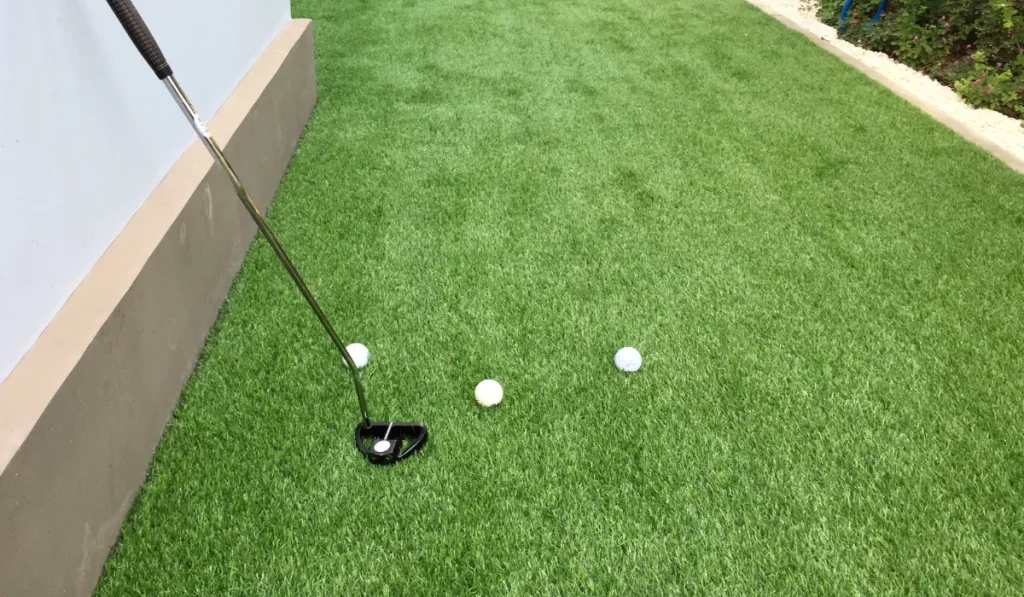
A backyard putting green and a golf-course-style lawn are not the same project. A putting surface depends on precise grading, smooth drainage, close mowing, and consistent moisture. Small bumps or low areas that barely affect a regular lawn can change how a golf ball rolls.
A fairway-style lawn gives you more flexibility. It can stay closely trimmed without requiring the exact construction and daily attention of a practice green. For most homeowners, that balance provides the best combination of appearance, usability, and manageable upkeep.
Why Golf Course Sod Can Outperform Seed
Golf course sod gives you a mature layer of turf with a known variety and consistent texture. Once installed, it covers the soil immediately and creates a more even starting point than a newly seeded lawn.
Seed can establish a healthy lawn, but the process takes longer and depends on steady germination. Wind, runoff, temperature changes, and uneven moisture can lead to thin sections or inconsistent growth. Those differences become especially noticeable when your goal is a smooth golf course quality lawn.
Sod still needs careful preparation. The ground should be cleared, graded, and loosened so the roots can make close contact with the soil. Tight seams and an even surface help prevent visible gaps and reduce the risk of scalping during future mowing.
| Lawn Goal | Best Starting Point | Main Maintenance Need |
|---|---|---|
| Fairway-style lawn | Uniform, fine-textured sod | Consistent mowing and irrigation |
| Backyard practice area | Sod suited to close mowing | Precise grading and frequent upkeep |
| Family lawn with a golf-inspired look | Durable sod with good wear recovery | Balanced mowing, watering, and traffic management |
Match the Sod to the Look You Want
Before ordering golf course sod, define what the finished lawn needs to do. A front yard designed mainly for curb appeal has different demands than a backyard used for sports, pets, or weekend gatherings.
For a fairway-style lawn, focus on uniform color, tight growth, and a surface that responds well to regular mowing. The sod should match the amount of sunlight and traffic the area receives. A fine texture will not provide lasting value if the grass thins under shade or struggles with daily use.
A backyard practice area requires a more exact plan. You may need smoother grading, lower mowing, and closer attention to drainage. If you only want the appearance of a golf course rather than a working putting surface, keeping the lawn at a practical height will reduce maintenance and support healthier growth.
For a family lawn, durability should carry more weight than putting performance. High-traffic grass with reliable recovery can still look refined while standing up to everyday use. That choice usually creates a better long-term result than selecting a more delicate turf based on texture alone.
How to Maintain Golf Grass at Home
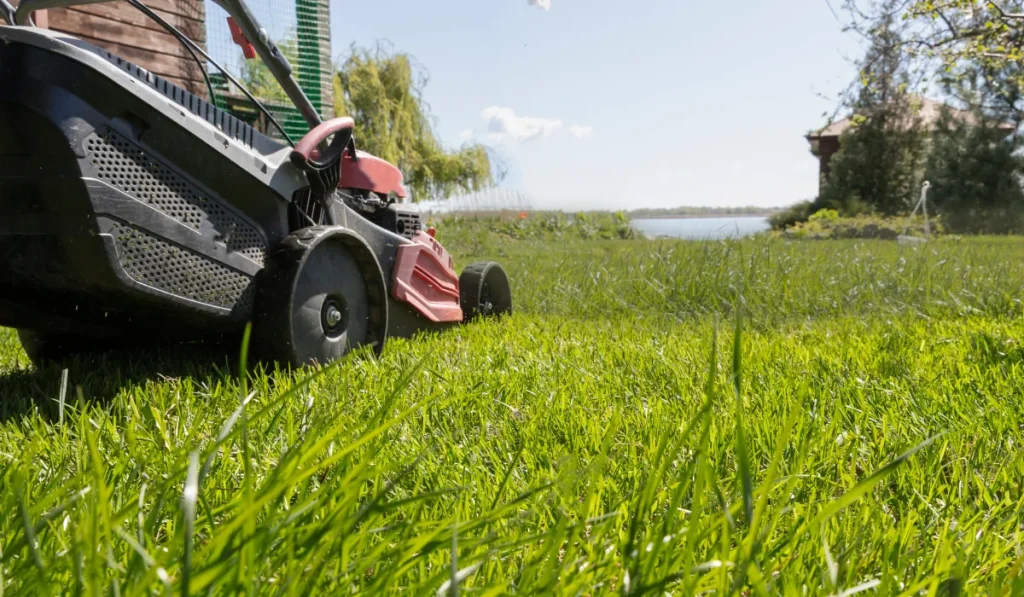
Golf lawn maintenance begins with mowing. Lower mowing can create a tighter, cleaner finish, but it also makes uneven ground and dull blades more noticeable. The surface should be level, and each cut should remove only a reasonable portion of the leaf.
A reel mower can produce a precise cut on fine-textured turf, though a well-maintained rotary mower can also work at suitable heights. Sharp blades matter because ragged cuts can leave the lawn looking dull and uneven. Mowing frequency should follow the grass’s growth rate rather than a fixed calendar.
Water for Root Development
New sod needs dependable moisture while the roots begin to establish. After that stage, irrigation should reflect the grass type, soil, weather, and local watering requirements.
Avoid relying on one schedule throughout the year. A lawn may dry quickly during inland summer heat but need far less water during cooler weather. Poor drainage also creates problems because turf roots need access to both moisture and air.
Check the soil before watering and watch for changes in color, leaf response, and recovery after foot traffic. These observations give you a clearer picture of lawn needs than watering by habit.
Support Healthy Soil
A polished lawn depends on the soil beneath it. Compacted ground can restrict root growth, slow water movement, and create weak areas that do not recover well from traffic.
A soil test can help you make informed fertilizer decisions rather than following a generic program. To compare grass performance under various conditions, both property owners and turf professionals can consult cultivar trial data provided by the National Turfgrass Evaluation Program.
Grading deserves attention as well. High spots can be scalped during mowing, while low spots may hold water. Addressing these issues before installation is much easier than trying to correct them after the sod has rooted.
Plan for Seasonal Changes
Every grass type has limits. Warm-season turf may lose color in cooler weather, and even drought-tolerant varieties need regular water while establishing. Shade, compacted soil, drainage problems, and uneven irrigation can reduce turf quality regardless of the variety you choose.
A golf-course-style lawn comes from matching the sod to the site and caring for it consistently. The right grass will work with your property instead of requiring constant correction.
Choosing Golf Course Grass for Your California Property
The right golf course grass should suit your climate, sunlight, traffic level, and maintenance goals. Sod gives you a uniform foundation, but long-term appearance depends on proper soil preparation, installation, watering, and mowing.
For many sunny California yards, TifTuf Bermuda grass can support the dense, trimmed appearance associated with a fairway while standing up to regular activity. Other properties may perform better with a different warm-season or cool-season variety.
Start by reviewing the sod options available through SodLawn, then consider how your yard will be used throughout the year.
For help comparing varieties, estimating square footage, or planning delivery, contact our team with details about your location and property. The right sod will give you a stronger foundation for building golf course grass that looks good and works for daily life.