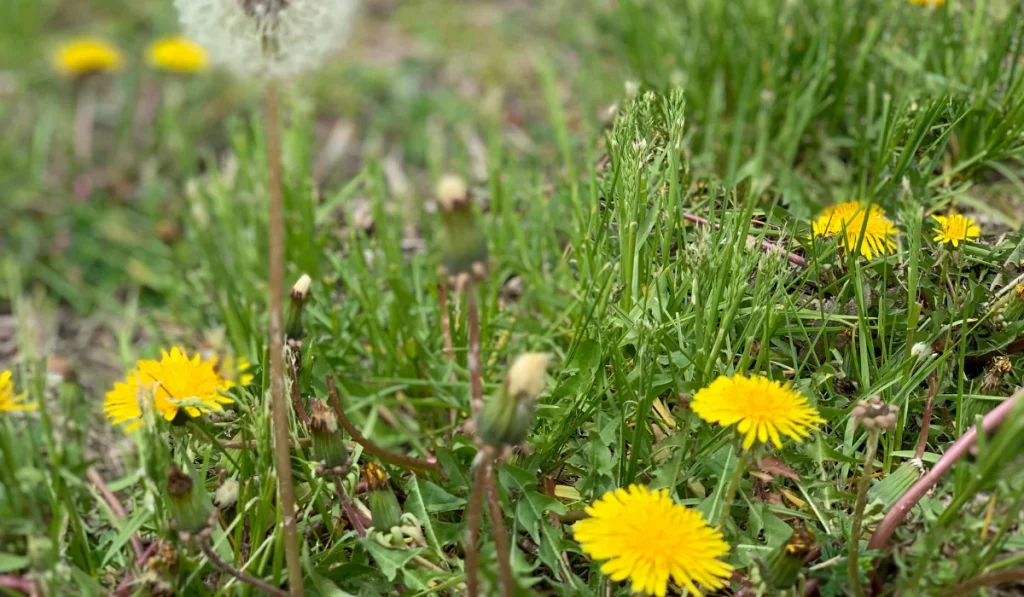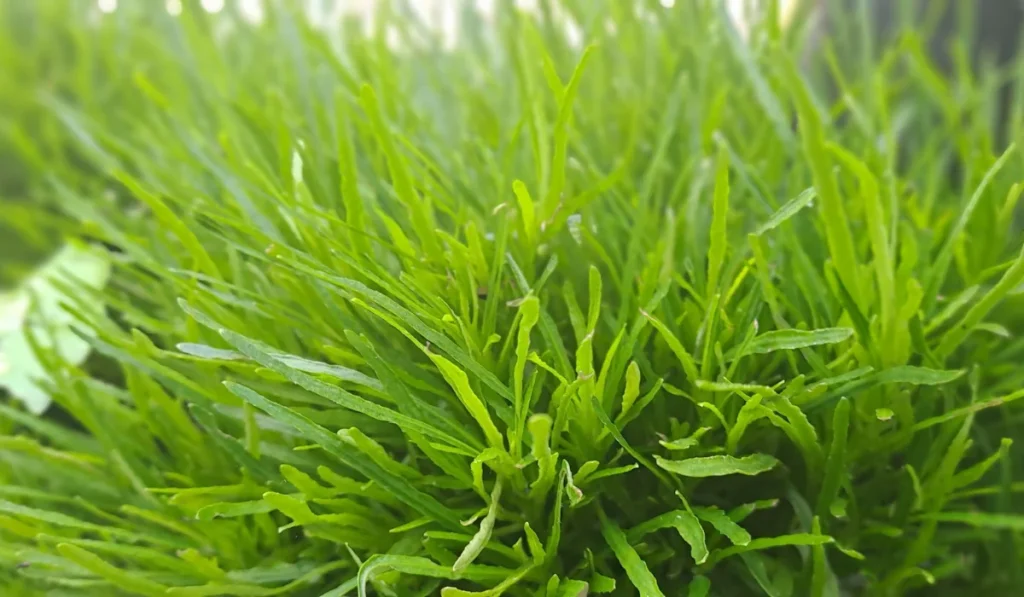
Slime mold on grass can make a healthy lawn look damaged almost overnight. You may see black specks, gray dust, pale crusts, or yellowish material coating the blades after rain, irrigation, or several humid mornings. The sudden change often looks worse than it is.
In most cases, slime mold on grass is a temporary surface growth, not an infection that is killing your lawn. It uses the grass blades as support, becomes visible when moisture conditions are favorable, and often fades as the lawn dries.
The main task is identification. Once you know the material is sitting on the outside of the blades, you can avoid unnecessary treatment and focus on simple cleanup. You should look more closely only when discoloration, thinning, or weak roots remain after the coating is gone.
What Slime Mold on Grass Actually Is
Slime mold on grass is a fungus-like organism that becomes easy to see when it forms spore-producing structures on the leaf blades. It does not usually invade the grass tissue or feed on living turf. Instead, it rests on the surface while using moisture and organic material in the surrounding environment.
Even though its appearance can be off-putting, turfgrass slime mold is merely a surface-level issue rather than a destructive infection. This distinction is key, as a lawn can appear coated without actually being diseased, leaving the grass beneath perfectly healthy.
Why Slime Mold Can Look So Different
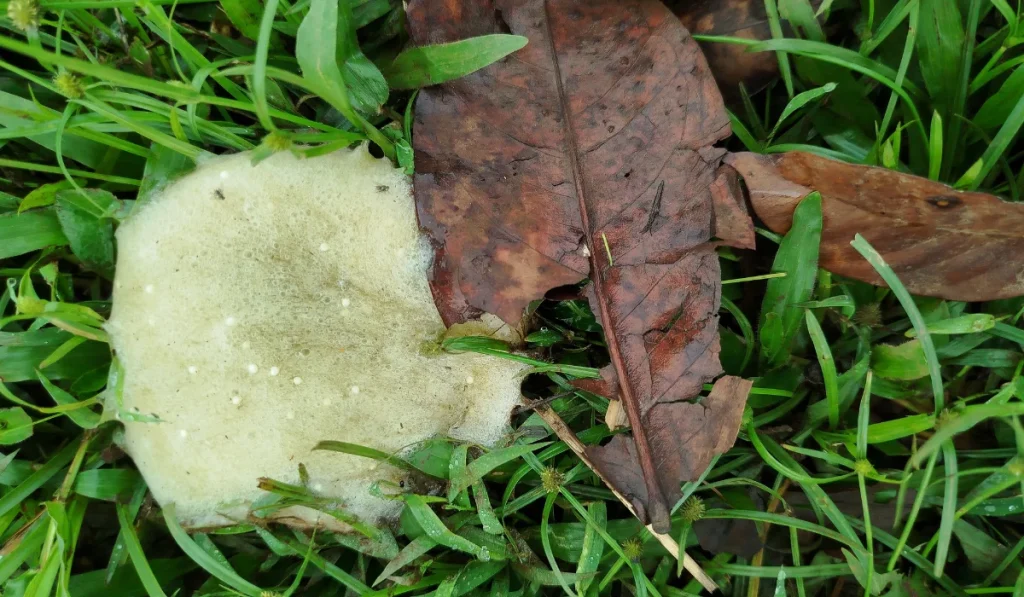
Lawn slime mold does not have one consistent color or texture. It may appear as black pepper-like dots, gray beads, a dusty coating, a pale crust, or a yellowish mass. As the material dries, it can change from moist and soft to powdery and brittle.
Color alone cannot confirm the problem. Black slime mold on grass can resemble soot, while white slime mold on grass can look like irrigation residue or another lawn condition. The more useful clue is whether the material sits on the blade and can be rubbed, brushed, or washed away.
Is Slime Mold on Grass Harmful?
Slime mold on grass usually causes little lasting damage. Because the material develops on the outside of the blades, it does not typically attack the crowns, roots, or internal leaf tissue. This is why a lawn may look covered while the turf remains green and firmly rooted underneath.
A dramatic coating does not automatically mean your grass has a serious disease. Once the slime mold dries, breaks apart, or is removed, the affected area often returns to its normal appearance.
What “Almost Nothing” Really Means
A heavy coating can temporarily block some light from reaching the grass blades. That effect is usually brief and ends when the surface material falls away or is removed. It is still far less concerning than damage that remains after the coating disappears.
Repeated slime mold growth can also point to a lawn-care issue, even when the organism itself is harmless. If it returns to the same location, that area may stay wet longer than the rest of the yard. The pattern can help you find overwatering, heavy shade, poor sprinkler coverage, or organic buildup near the soil surface.
Why Lawn Slime Mold Appears After Wet Weather
Slime mold after rain is common because moisture helps the organism move across organic material and form visible structures. Humid air, damp blades, and decaying plant matter create favorable surface conditions. The growth may seem to appear suddenly because its spore-producing stage is much easier to notice than its earlier activity.
California lawns can develop those conditions in several ways. A Bay Area lawn may stay damp beneath a marine layer. A shaded Central Valley yard may receive more sprinkler water than the soil can use in that spot. In Southern California, late irrigation can leave grass wet well into the evening.
Wet Grass Does Not Always Mean Poor Drainage
Finding mold on grass after rain does not automatically mean you have a drainage problem. A single period of wet weather may be enough for slime mold to become visible, even when the lawn normally dries well.
The pattern matters more than one isolated appearance. If slime mold returns often, check whether sprinkler heads overlap too heavily, whether a shaded zone runs as long as a sunny one, or whether a low area stays damp long after irrigation ends. Dense growth and organic buildup can also hold moisture around the blades.
Local soil, sun exposure, slope, grass variety, and seasonal weather all affect how quickly a lawn dries.
How to Get Rid of Slime Mold on Grass
The easiest slime mold treatment for a lawn is often to leave it alone. Dry weather can cause the visible structures to break down without any special product. If the growth does not interfere with how you use the yard, you can monitor it while the surface dries.
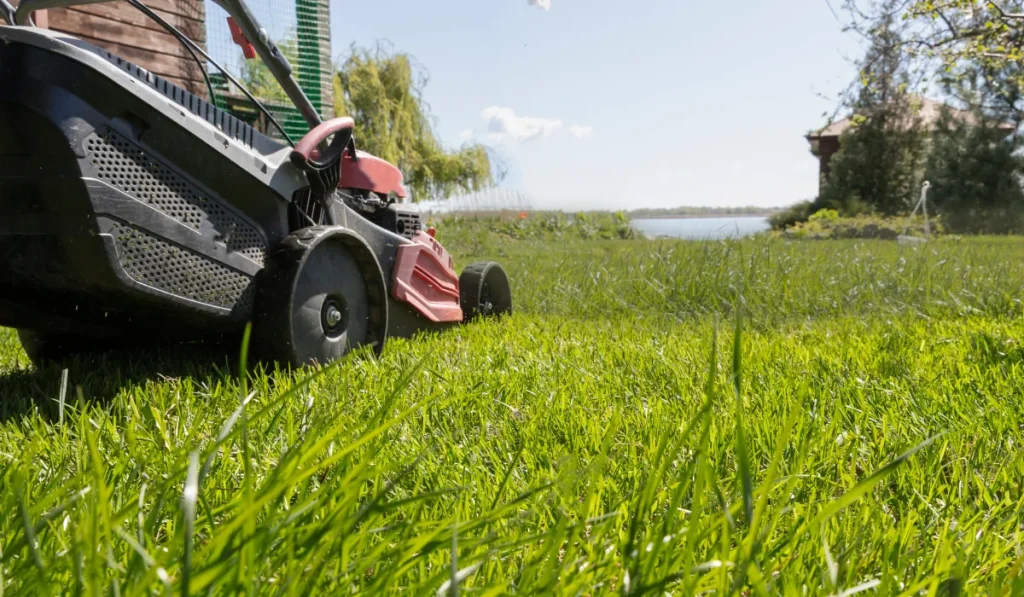
When appearance matters, remove the coating with light brushing, gentle raking, or mowing after the grass is dry enough to cut cleanly. These methods break apart the surface material without disturbing the roots.
Should You Rinse It Off?
A light rinse can remove black powder on grass or loosen dry material from the blades. However, repeated watering just to clean the lawn can extend the damp conditions that allowed the slime mold to appear.
Use the least disruptive method that works. Brushing or mowing is often better when the soil is already wet. If you use water, apply only enough to knock the material loose, then allow the area to dry.
How to Reduce Repeat Growth
Water early enough for the blades to dry during the day. Review sprinkler coverage instead of assuming every zone needs the same schedule. A section beneath a tree, beside a fence, or along the north side of a building may remain damp much longer than an open lawn in full sun.
Correct the wet area rather than reducing water across the entire yard. A California lawn can contain several different growing conditions within a small space. One zone may need less runtime, while another still needs its normal schedule.
Slime Mold vs. A More Serious Lawn Problem
The main difference between slime mold and a turf problem is what remains after the surface material is removed. Slime mold usually sits on the blade and comes away with brushing, mowing, or rinsing. A lawn disease or environmental injury is more likely to leave damaged tissue behind.
Use the grass beneath the coating as your guide.
| What You Notice | More Consistent With Slime Mold | More Consistent With Another Lawn Problem |
|---|---|---|
| Material location | Sits on the blade surface | Appears within damaged leaf tissue |
| Removal | Rubs, brushes, or rinses away | Remains after the surface is cleaned |
| Grass condition | Blades stay green and firm | Blades remain yellow, brown, soft, or spotted |
| Root condition | Turf stays firmly rooted | Grass pulls up easily or roots look weak |
| Pattern over time | Fades as the coating dries | Spreads, thins, or continues after cleanup |
When You Should Inspect More Closely
Look beyond slime mold when the grass stays discolored after the coating is gone. Yellowed blades, embedded spots, thinning turf, weak roots, soft crowns, or expanding dead patches suggest that another issue may be present.
A lawn fungus that looks like soot may not be slime mold if the dark material cannot be removed. The same applies when the affected area continues to grow after the surface coating disappears. In that case, consider the grass variety, recent weather, watering schedule, shade, soil moisture, and the exact pattern of damage before choosing a response.
What Recurring Slime Mold Can Tell You
Recurring lawn slime mold is still usually cosmetic, but its location can reveal where moisture collects. Growth that appears in the same place may point to sprinkler overlap, heavy shade, limited airflow, a low spot, or a thick layer of organic material near the surface.
Use that information to improve routine lawn care. Adjust irrigation timing, shorten the runtime in slow-drying zones, and correct obvious coverage problems. These changes can help the lawn dry more evenly without treating a harmless surface growth as the main issue.
Avoid making broad changes based on one patch. Cutting water across the entire lawn can stress healthy areas while leaving the original wet spot unchanged. Target the conditions where the slime mold keeps returning.
Making the Right Lawn-Care Call for Your California Yard
Slime mold on grass can look severe, but it usually does not mean the turf is dying. Confirm that the material rests on the blade surface, let the lawn dry, and use light brushing, raking, mowing, or a gentle rinse when cleanup is needed.
Pay closer attention when discoloration, thinning, or weak roots remain after the coating is gone. Those signs point to a separate turf concern that deserves a fuller diagnosis. When an affected area does not recover, you can review California sod options on our website or contact the SodLawn team for help choosing grass suited to your property, sun exposure, and lawn use.