If you are looking across your yard and thinking, “my entire lawn is crabgrass,” fall gives you a practical opportunity to rebuild it. By late summer, crabgrass may cover thin turf, spread into bare soil, and produce seed heads across large sections of the yard. Once it dominates the lawn, removing a few individual plants will not solve the larger problem.
A lasting repair starts with three decisions: confirm that the grass is crabgrass, determine how much desirable turf remains, and choose between overseeding, full reseeding, or sod. You also need to select a replacement grass that fits your part of California, since coastal, inland, mountain, and desert properties do not share the same growing conditions.
Fall often works well for cool-season lawn renovation because temperatures are milder while the soil is still warm enough to support germination and root growth. The work you do now also gives the replacement lawn time to develop before summer heat places more stress on young turf.
Confirm That Your Lawn Is Crabgrass
A lawn full of crabgrass can resemble bermudagrass, goosegrass, dallisgrass, or another coarse grass when viewed from a distance. Correct identification matters because these grasses have different growth habits and may require different renovation plans. Removing the wrong plant can leave you with more bare ground and no clear path forward.
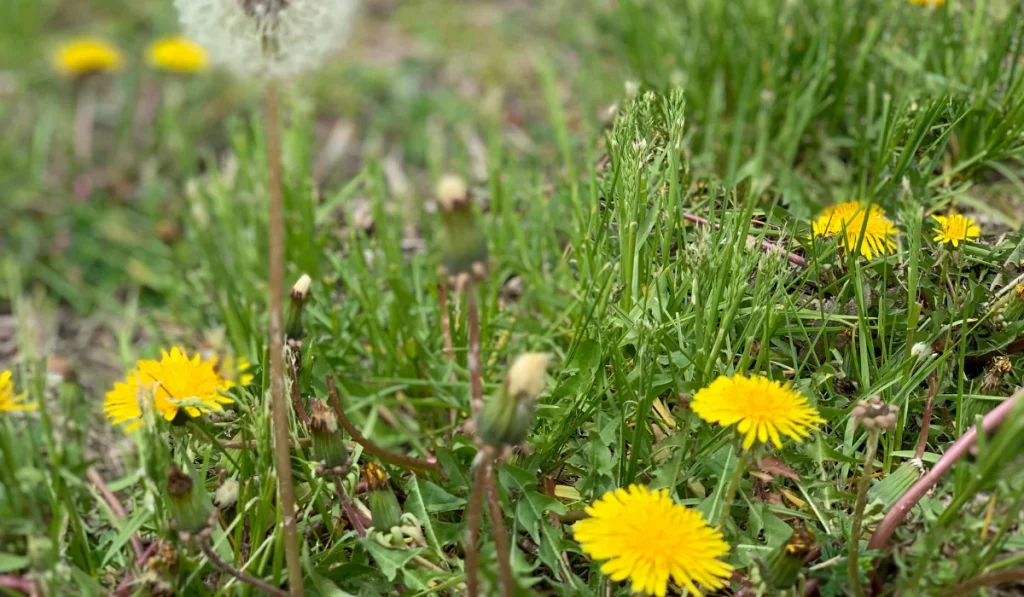
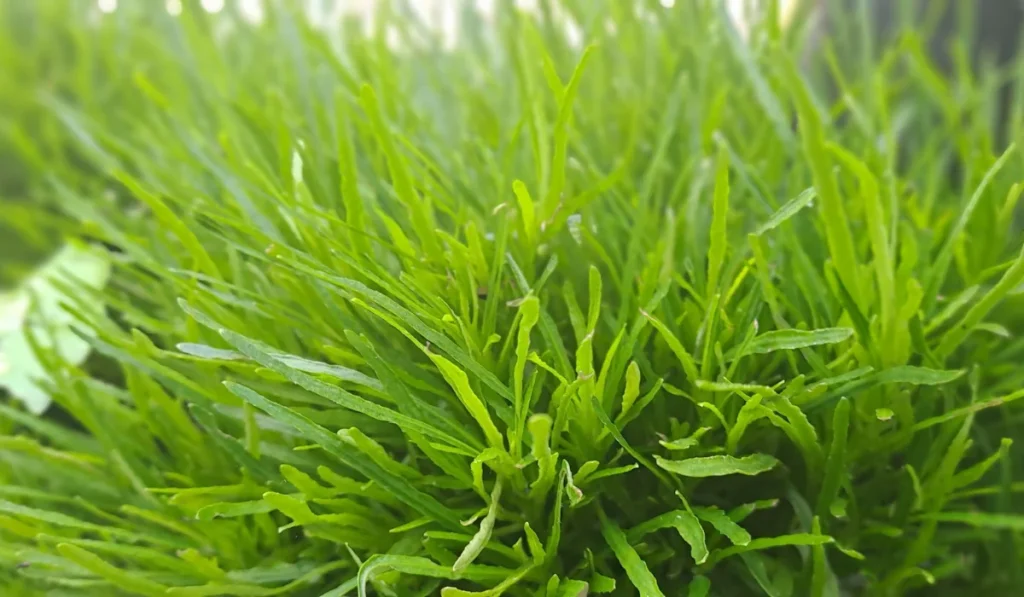
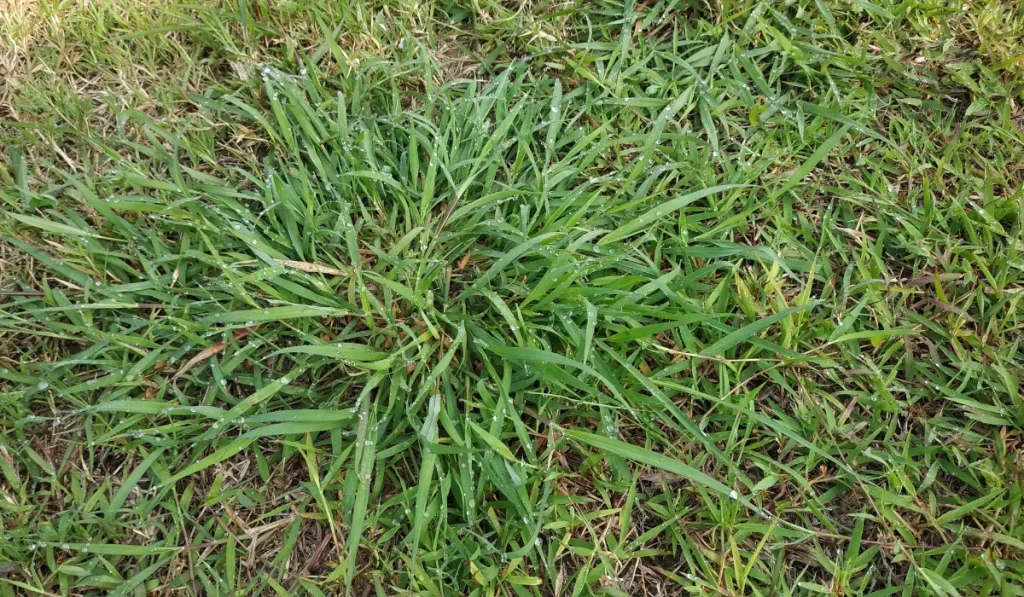
Crabgrass often grows outward from a central crown, creating flat or slightly raised patches. The blades usually appear wider and coarser than those of many common lawn grasses, and mature plants produce branching seed heads. Some crabgrass plants also form roots where lower stems contact moist soil, which helps them spread through open sections of a lawn.
The UC Statewide Integrated Pest Management guide to crabgrass and goosegrass explains how these weeds grow and how to distinguish them from desirable turf.
You can also compare the plant in your yard with the photos and identification details on the UC IPM large crabgrass page. When the lawn contains several similar-looking grasses, take clear photos or a sample to your local UC Cooperative Extension office before beginning a full renovation.
Why Fall Is a Good Time for Crabgrass Lawn Renovation
Crabgrass is a summer annual grass. It germinates from seed, grows during warm weather, produces more seed, and declines as colder conditions arrive. That lifecycle makes fall a useful time to address a lawn dominated by crabgrass, but the seasonal dieback is not a complete solution.
When the mature plants decline, they often leave thin turf and exposed soil behind. Crabgrass seed can remain in the lawn and germinate when conditions become favorable again. If you do nothing but wait for the plants to die, you may see the same pattern return during the next warm season.
Fall also provides a favorable establishment window for many cool-season grasses used in California, including tall fescue. Warm soil supports germination and early root development, while cooler air reduces the stress that young grass faces during hot weather. A fall renovation gives new turf more time to fill in before summer.
The timing changes if you plan to install warm-season grass. Bermudagrass and other warm-season options establish most reliably while they are actively growing. Your local climate, elevation, sunlight, and irrigation schedule should guide the choice rather than a single statewide planting date.
Decide Whether to Repair or Replace the Lawn
Before removing the lawn, inspect it in several locations. Check sunny areas, shaded sections, slopes, high-traffic paths, and spots near sprinkler heads. A yard may look uniformly green from the street even when most of that color comes from crabgrass.
Estimate how much desirable turf remains and whether it forms connected areas. A few crabgrass patches in an otherwise healthy lawn call for a different response than a yard where desirable grass survives only in small islands.
| Lawn Condition | Best-Fit Approach | Main Consideration |
|---|---|---|
| Crabgrass is limited to scattered patches | Remove the patches and repair them with matching seed or sod | Preserve the healthy turf already in place |
| Desirable grass still covers most of the yard | Improve growing conditions and overseed thin areas | Make sure the new seed matches the existing lawn |
| Crabgrass covers most of the surface | Complete lawn renovation | Remove enough growth for the replacement grass to contact prepared soil |
| You need fast, even coverage | Install sod | Higher initial material cost, but less exposed soil |
| You have more time and a lower material budget | Reseed the lawn | Requires steady watering and protection during establishment |
Overseeding works best when healthy turf still occupies most of the lawn. Once crabgrass has replaced broad areas, new seed has to compete with dead stems, compacted soil, and uneven moisture. A full renovation often produces a more consistent result in that situation.
Seed usually has a lower upfront material cost and offers a broad selection of grass types. Sod creates an established surface immediately, covers bare soil, and handles slopes more effectively. Your final choice should account for budget, lawn size, irrigation coverage, pets, children, foot traffic, and how soon you need to use the yard.
How to Replace a Crabgrass Lawn in Fall
Replacing a crabgrass lawn requires more than removing visible plants. The new grass needs clean access to prepared soil, steady moisture during establishment, and protection from traffic. Skipping one of those steps can leave thin areas where crabgrass finds another opening.
Measure and Mark the Areas You Will Keep
Walk the property and identify any sections that contain healthy, desirable turf. Mark those areas before you begin removal so you do not disturb grass that can still be saved.
Pay attention to why some sections failed. Heavy shade, compacted soil, poor sprinkler coverage, pet traffic, and low spots can weaken turf even after you install a new lawn. Correcting those site problems before renovation gives the replacement grass a better chance to stay dense.
Remove the Existing Growth
Remove mature crabgrass, seed heads, thick stems, and loose debris. Small patches may be pulled or cut out by hand. Larger areas may require mechanical removal or another lawn-renovation method suited to the size and condition of the property.
If you use a lawn treatment before seeding or installing sod, follow the product label closely. Check for any required waiting period before planting. Some products that stop unwanted grass growth can also interfere with the germination or rooting of desirable grass.
Removing every seed from the soil is not realistic. Your goal is to clear the surface, reduce competition, and create a dense replacement lawn that leaves fewer bare spaces for future seedlings.
Prepare the Soil
Rake away dead material and loosen the upper soil where compaction limits root growth. Fill low spots, correct drainage near walkways and structures, and smooth the grade before installing seed or sod.
A soil test can help when the previous lawn struggled despite suitable sunlight and regular irrigation. Test results can show whether the soil needs a pH correction or a specific nutrient adjustment. Avoid adding amendments simply because they are commonly recommended. Materials that are not needed can create uneven soil layers or cause the finished surface to settle.
The prepared soil should be smooth and firm without being packed hard. Seed needs contact with the soil, and sod needs a level surface without gaps or air pockets beneath it.
Install Seed or Sod Correctly
When reseeding, apply the recommended amount evenly across the prepared area. Lightly work the seed into the surface or press it into the soil so it does not sit loosely on top. Keep the surface consistently moist during germination, but do not apply enough water to create puddles or wash seed downhill.
When laying sod, place each piece tightly against the next and stagger the seams between rows. Press the sod into full contact with the soil, especially along edges and slopes. Water promptly after installation so the sod and underlying soil are evenly moist.
Check the new lawn often during the first stage of establishment. Edges and seams can dry faster than the center of a sod piece, while seeded areas near pavement may lose moisture quickly in warm afternoon sun.
Protect the New Lawn
Keep children, pets, equipment, and regular foot traffic off the weakest areas while roots develop. Repeated traffic can shift sod, compact wet soil, and damage young seedlings before they have enough strength to recover.
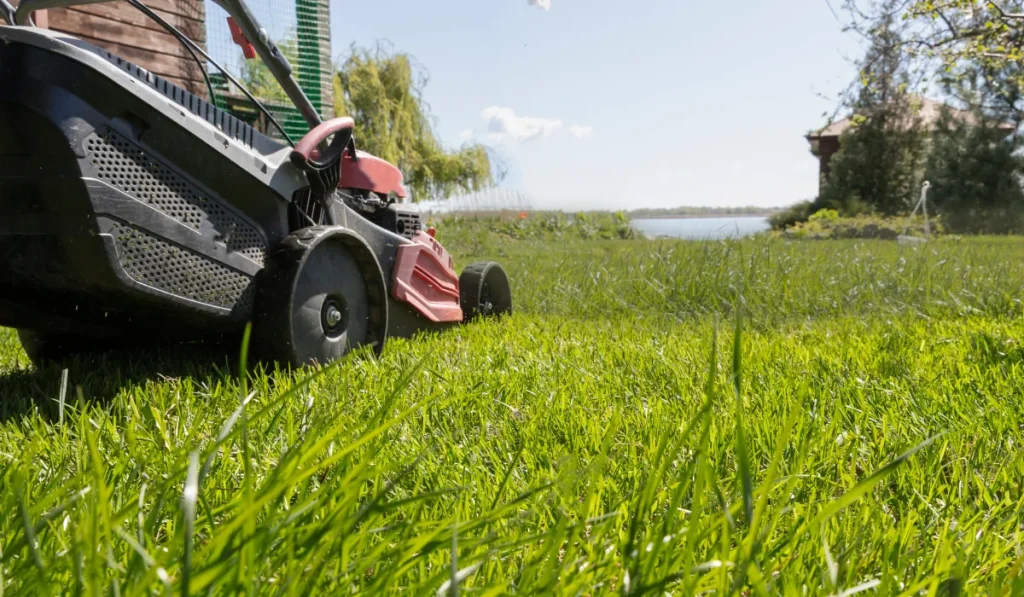
Wait until the grass is ready before the first mowing. Use a sharp blade, follow the recommended mowing height for the selected variety, and remove no more leaf growth than the young lawn can handle. Proper mowing encourages the grass to thicken instead of leaving an open canopy.
Prevent Crabgrass From Returning
Fall crabgrass control continues after the new lawn is established. Dense turf is one of your best defenses because it shades the soil surface and occupies the space where crabgrass seedlings would otherwise grow.
Follow the mowing height recommended for your grass type, and avoid scalping the lawn. Cutting too low weakens the turf and exposes more soil to sunlight. Once the lawn is established, adjust irrigation so water reaches the root zone rather than keeping only the surface damp.
Repair thin areas early, before they expand into larger openings. Look for the cause of the thinning rather than covering the spot with seed each season. Shade, sprinkler gaps, compaction, drainage problems, and repeated foot traffic can continue to weaken new grass until the underlying issue is corrected.
Spring prevention also depends on timing. Michigan State University’s crabgrass pre-emergence guidance notes that germination is commonly associated with soil temperatures near 55°F. Local soil conditions provide a better signal than choosing the same calendar date every year.
California soil temperatures vary by region, elevation, and weather pattern. Monitor local conditions and follow the product label when planning a spring application. Coordinate that plan with any spring reseeding because some pre-emergent products can prevent desirable grass seed from germinating along with crabgrass.
Make the Right Lawn Reset for Your California Property
When your entire lawn is crabgrass, the best solution is to rebuild the areas where desirable turf has disappeared and correct the conditions that allowed crabgrass to spread. Confirm the grass first, decide whether the lawn can be repaired, and choose seed or sod based on season, site conditions, budget, and how quickly you need coverage.
A well-prepared fall renovation can give a cool-season lawn time to establish before summer, while a carefully timed prevention plan can reduce the next round of crabgrass seedlings.
For help choosing a grass that fits your California property, review the sod and lawn options available through SodLawn. When you are ready to plan quantities, delivery, or the best variety for your yard, contact the SodLawn team for personal guidance.