A bentgrass putting green can bring the look and play of a real golf surface into your backyard. Creeping bentgrass has fine blades, dense growth, and the ability to handle close mowing, which makes it a natural fit for a home putting green. For California homeowners, though, success depends on more than choosing the right putting green grass.
A smooth, healthy surface starts with proper grading, reliable drainage, even irrigation, and a maintenance plan that matches your climate. A coastal yard near Monterey may offer different growing conditions than a property in Sacramento, Fresno, or the Inland Empire. Heat, airflow, sunlight, and soil all influence how well bentgrass performs.
If you want a living putting green rather than synthetic turf, bentgrass can put that goal within reach. The key is to treat the project as both a landscape installation and a playing surface. When the foundation and care routine work together, the result can feel much closer to a golf green than a closely mowed patch of ordinary lawn.
Why a Bentgrass Putting Green Feels Like the Real Thing
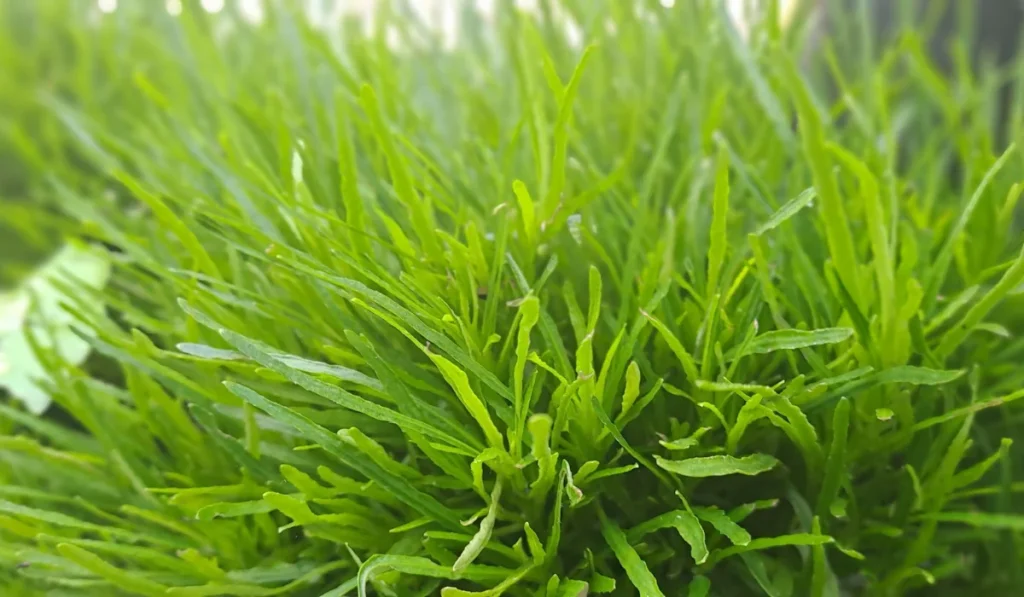
Creeping bentgrass is a cool-season grass known scientifically as Agrostis stolonifera. The USDA PLANTS database identifies it as a distinct turfgrass species, and its growth pattern helps explain why it works well on golf greens. It spreads through aboveground stems called stolons, which help the grass knit together and fill small gaps.
That growth habit supports a dense, fine-textured surface. A golf ball rolls more cleanly across narrow blades and even growth than it does across coarse grass, open seams, or uneven patches. Bentgrass also tolerates close mowing better than many common lawn grasses, which allows it to produce the low, uniform canopy associated with a natural putting green.
The surface still changes with weather, moisture, mowing, and traffic. That living response is part of the appeal of a backyard putting green made from real grass. It also means that surface quality depends on regular care, not just the variety you plant.
Is a Bentgrass Putting Green Right for Your California Yard?
A bentgrass putting green works best when the site and maintenance expectations suit a cool-season turfgrass. California has a wide range of climates, so a single recommendation does not fit every property. Mild coastal areas, inland valleys, mountain communities, and Southern California neighborhoods can place very different demands on the same grass.
Creeping bentgrass can face greater stress during long periods of heat, especially when warm weather combines with low mowing and heavy use. Inland homeowners should pay close attention to afternoon sun, airflow, irrigation coverage, and how quickly the root zone dries. Coastal homeowners may have milder summer temperatures, but shade, fog, poor air movement, and slow drainage can still create problems.
The best site receives enough sunlight for dense growth without trapping heat against walls or hardscape. It should also have dependable irrigation and a grade that moves excess water away from the playing surface. Low areas that stay wet can become soft, while dry spots may thin out and change ball roll.
Your schedule matters too. Bentgrass lawn care is more involved than mowing a standard lawn once a week. You should be prepared to monitor growth, moisture, mower performance, surface firmness, and signs of stress. A bentgrass putting green is a good fit when you want an authentic surface and are comfortable giving it consistent attention.
Building a Backyard Bentgrass Putting Green
Backyard putting green installation starts below the grass. The visible turf may get the attention, but the grade, root zone, and drainage determine how the surface handles water and play. A small depression can collect moisture, while an uneven contour can send putts in directions you never intended.
Prepare the Grade and Root Zone
Begin by clearing the area and correcting high and low spots. Shape the surface with gentle contours that support play without trapping water. The finished grade should be smooth enough for predictable ball movement and stable enough to resist settling after installation.
Putting green drainage is especially important because bentgrass performs poorly when the root zone stays saturated. The USGA Green Section treats root-zone construction, drainage, moisture management, mowing, aeration, and topdressing as connected parts of putting-surface performance. A residential green does not need to duplicate a golf course, but those same relationships still apply on a smaller scale.
The putting green soil should support both drainage and root growth. Compacted soil can limit oxygen and slow water movement, while loose or uneven material may settle after planting. Irrigation should cover the entire green evenly, including edges and raised areas that may dry faster than the center.
Choose the Best Establishment Method
Bentgrass seed gives you flexibility when shaping a custom green. Seed can follow curves and contours without visible seams, but the seedbed must stay evenly moist during germination and early growth. Runoff, foot traffic, and dry patches can disrupt establishment before the surface becomes dense.
Bentgrass sod can provide faster coverage where it is available. It still requires careful installation because raised seams, gaps, and uneven soil can affect ball roll. Converting an existing lawn may reduce the amount of initial work, but it is harder to correct drainage, soil structure, and surface irregularities without rebuilding the area.
| Establishment Method | Best Use | Main Consideration |
|---|---|---|
| Bentgrass seed | Custom shapes and carefully prepared sites | Requires patient establishment and steady moisture |
| Bentgrass sod | Faster surface coverage | Seams and grade must be managed carefully |
| Existing-lawn conversion | Basic practice areas with limited reconstruction | Harder to create a true putting surface |
| Synthetic turf | Lower-mowing installations | Does not provide the response of living bentgrass |
The right choice depends on your starting conditions and the level of performance you expect. A casual practice area can tolerate more variation than a green designed for consistent ball roll.
Bentgrass Putting Green Maintenance at Home
Bentgrass putting green maintenance works best when mowing, irrigation, and soil care stay in balance. Each task affects the others. Cutting height influences plant stress, water affects firmness, and organic buildup near the soil surface can change drainage and ball response.
Use the Right Mower
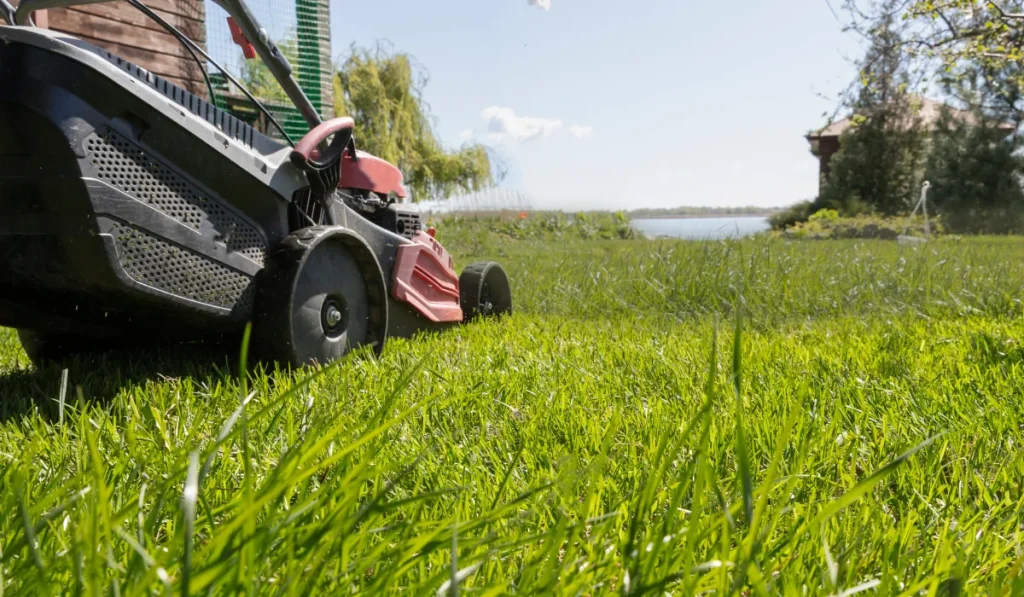
A reel mower for putting green care is better suited to low turf than a standard rotary mower. Reel blades make a clean, scissor-like cut and offer more control over cutting height. A rotary mower may leave an uneven finish or tear the leaf tips when used too low.
Sharp blades are essential for both appearance and plant health. Dull blades can shred the turf, leave pale tips, and make the surface look rough. You should also avoid lowering the cutting height too quickly, since sudden changes can scalp raised areas and weaken the grass.
Mowing frequency should follow growth rather than a fixed weekly schedule. During active growth, the green may need more frequent mowing than the rest of the yard. Consistent passes, clean turns, and attention to edges help preserve a smooth surface without damaging the surrounding turf.
Manage Water Without Softening the Surface
Irrigation should meet the needs of the turf without leaving the root zone constantly wet. Soil type, sun exposure, wind, drainage, and temperature all affect how quickly the green dries. A fixed watering schedule may apply too much water during cool periods and too little during hotter weather.
The University of California IPM turf program provides California-specific guidance for recognizing turf stress, irrigation problems, weeds, and disease symptoms. That local perspective matters because yellowing, thinning, or uneven growth can have several causes. Checking the soil and irrigation pattern before changing the care routine can prevent unnecessary treatments.
Watering should support healthy roots while keeping the surface firm enough for play. Overwatered turf may feel soft and mark easily under foot traffic. Dry areas can lose density and create inconsistent ball roll, especially along edges and raised contours.
Maintain the Soil and Playing Surface
Soil testing can guide fertilizer decisions and help you avoid applying more than the turf needs. A steady, measured program supports growth without creating a soft, overly lush surface. The goal is dense, resilient grass rather than rapid top growth.
Light topdressing can help smooth minor imperfections and manage organic buildup near the soil line. Aeration can relieve compaction and improve movement through the putting green root zone. Brushing or grooming may also help keep the turf upright and distribute surface material more evenly.
These practices are not limited to large golf facilities. On a backyard scale, they help preserve drainage, firmness, and consistency. They also make it easier for the turf to recover from routine play.
Common Problems That Affect Bentgrass Performance
A bentgrass putting green can decline when several small problems build over time. Uneven irrigation may create a mix of soft and dry areas, while poor drainage can weaken roots. Compacted soil can slow water movement, and excess organic buildup may leave the surface spongy.
Mowing mistakes can cause similar problems. Dull blades, abrupt height changes, and scalping can thin the turf and expose the soil. Once the surface loses density, weeds and unwanted grasses may become more noticeable and harder to manage.
Bentgrass summer stress deserves close attention in hotter parts of California. Warm soil, heavy traffic, low mowing, and inconsistent water can place the turf under added pressure. During these periods, protecting plant health matters more than forcing faster ball speed.
A good response starts with diagnosis. Check irrigation coverage, soil moisture, mowing quality, drainage, and recent weather before changing several parts of the maintenance routine at once. Correcting the underlying cause is more effective than treating only the visible symptom.
Bringing a Real Bentgrass Putting Green Home
A bentgrass putting green can create an authentic backyard golf experience, but it succeeds only when the site, construction, and care plan work together. Fine texture and close mowing give creeping bentgrass its playing qualities, while grading, drainage, irrigation, and root-zone preparation support the turf beneath the surface.
Before planting, consider your California climate, sunlight, airflow, soil, and available maintenance time. Plan for reel mowing, careful water management, periodic topdressing, aeration, and close observation during hot weather. These steps help turn a patch of putting green grass into a reliable playing surface.
SodLawn supplies California homeowners and commercial customers with sod, grass seed, fertilizer, and lawn tools for projects of all sizes. When you are ready to plan your bentgrass putting green, contact the SodLawn team for help choosing materials that fit your property and maintenance goals.