Marathon grass vs St Augustine: Marathon is generally the better choice for California yards that prioritize winter color, finer blades, and moderate foot traffic. St. Augustine is better suited to warm locations where its spreading growth and the partial-shade tolerance of certain cultivars offer advantages. Both require regular maintenance, and neither performs well under constant heavy traffic or deep shade. Here’s how they compare in appearance, durability, seasonal color, and upkeep.
Marathon Grass vs. St. Augustine: Key Differences
Marathon is a branded tall fescue sod product, while St. Augustine is a warm-season grass species with multiple cultivars. This distinction matters because Marathon’s characteristics should be evaluated using the particular product, while St. Augustine’s performance can change depending on the cultivar.
Southland Sod Farms produces Marathon as part of its tall fescue product line. Tall fescue generally grows most actively in cooler weather. St. Augustine favors warm conditions and spreads across the ground through runners.
| Feature | Marathon Grass | St. Augustine Grass |
| Grass type | Cool-season tall fescue | Warm-season turfgrass |
| Growth habit | Primarily upright and bunch-forming | Spreads through aboveground runners |
| Leaf appearance | Relatively narrow, upright blades | Wider, coarser-looking blades |
| Partial shade | Can tolerate some shade | Some cultivars perform well in partial shade |
| Foot traffic | Suitable for moderate residential use | Can handle ordinary use, but runners are vulnerable to concentrated wear |
| Bare-spot recovery | May need seed or replacement sod | Can spread into small gaps during active growth |
| Winter appearance | Can retain green color in suitable cool conditions | May brown or become dormant in cold weather |
| Hot summers | Can experience heat stress | Grows actively when warm-season conditions are favorable |
| Routine upkeep | Mowing, irrigation, and occasional patch repairs | Mowing, irrigation, edging, and management of spreading growth |
The main tradeoff is clear: Marathon offers cool-season growth and a more upright appearance, while St. Augustine spreads laterally and favors warm weather. These differences influence how each grass performs in California yards.
Why Their Growth Habits Matter
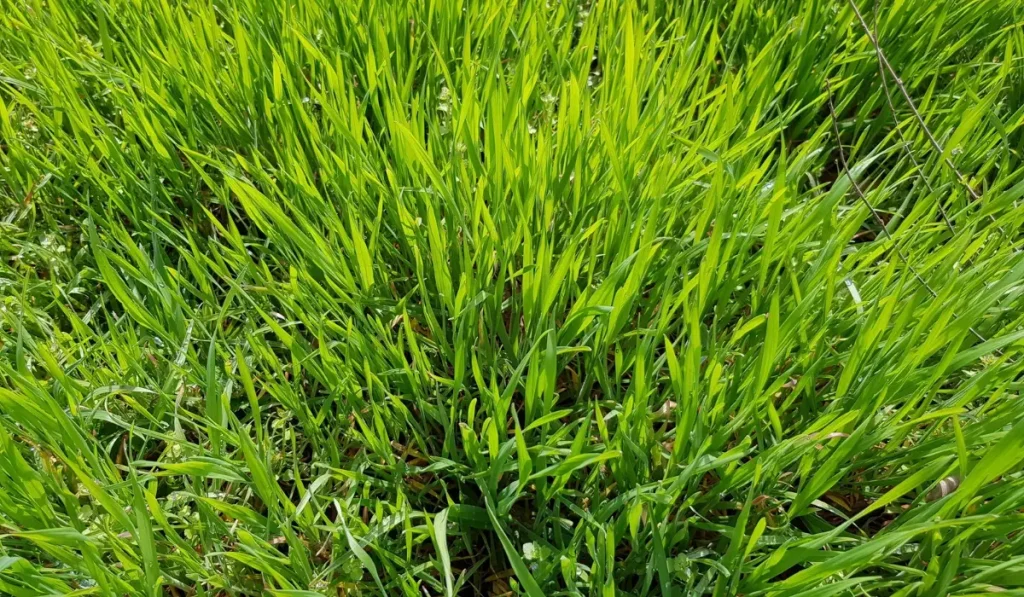
Marathon grows mainly in bunches rather than sending long runners across the soil. This gives established turf a relatively uniform appearance, but it limits how quickly surrounding grass can fill a large bare patch.
St. Augustine spreads through aboveground stems called stolons. Healthy runners can produce new shoots and extend into nearby exposed soil during the growing season.
That spreading habit can help close small gaps, although it also creates extra boundary maintenance. Regular lawn edging keeps St. Augustine from extending into adjacent planting beds and walkways.
Which Grass Handles Shade Better?
Neither Marathon nor St. Augustine is a dependable choice for deep shade. Both can handle some partial shade, but actual performance depends on how much usable light reaches the lawn.
A yard shaded by a tree during the afternoon is different from a narrow side yard blocked by buildings throughout the day. Tree roots can also compete with turfgrass for water, making shaded areas harder to maintain.
Marathon Grass in Partial Shade
Marathon’s tall fescue background makes it a reasonable candidate for lawns with periods of partial sunlight. Its growth and density still depend on receiving enough light to support healthy turf.
On a property where some areas receive direct morning sunlight and shade later in the day, Marathon may perform better than it would along a consistently dark wall.
Low light can leave the grass thin, especially where people frequently walk across it. In those locations, reducing traffic may help protect the existing turf, but it won’t correct a persistent lack of sunlight.
St. Augustine Grass in Partial Shade
Some St. Augustine cultivars tolerate partial shade well. The cultivar matters, so avoid assuming every St. Augustine product will perform equally beneath trees or beside a shaded patio.
The University of Florida IFAS Extension provides research-based St. Augustine management information, including cultivar considerations. Those characteristics are useful when comparing grass options, although the final choice still needs to reflect California’s local conditions.
For a partially shaded backyard, compare the specific Marathon product with the available St. Augustine cultivar. If most of the area receives very little light, a non-turf landscape surface may be a more dependable choice.
Marathon vs. St. Augustine for Foot Traffic and Play Areas
For a family backyard with moderate activity, Marathon is a practical starting option. St. Augustine can also handle normal residential use, but concentrated traffic can injure its surface runners.
Neither grass should be expected to withstand constant running, digging, or repeated traffic along the same narrow route. A lawn’s health before and after heavy use also affects how well it holds up.
Which Works Better for Children and Pets?
Marathon suits homeowners who want a relatively fine-looking lawn for walking, casual play, and outdoor gatherings. As with any living turf, repeated wear can eventually thin heavily used areas.
St. Augustine can work in a family yard when the site supports healthy warm-season growth. Its ability to spread into nearby gaps is useful, but damage to runners can limit that recovery.
When choosing grass for dogs in California, pay particular attention to habitual running paths. A dog that repeatedly travels along a fence can wear down either grass, even when the rest of the lawn remains healthy.
Repairing Worn Areas
Marathon and St. Augustine recover differently because of their growth habits. Large bare sections in Marathon may need compatible grass seed or new sod, since surrounding bunches generally won’t spread across the opening quickly.
St. Augustine can extend runners into smaller bare patches when temperatures and growing conditions support active growth. It still needs protection from continued wear while the turf recovers.
If a path receives daily traffic, consider stepping stones or another suitable surface. That can be more practical than repeatedly repairing grass in the same location.
Which Grass Feels Better Underfoot?
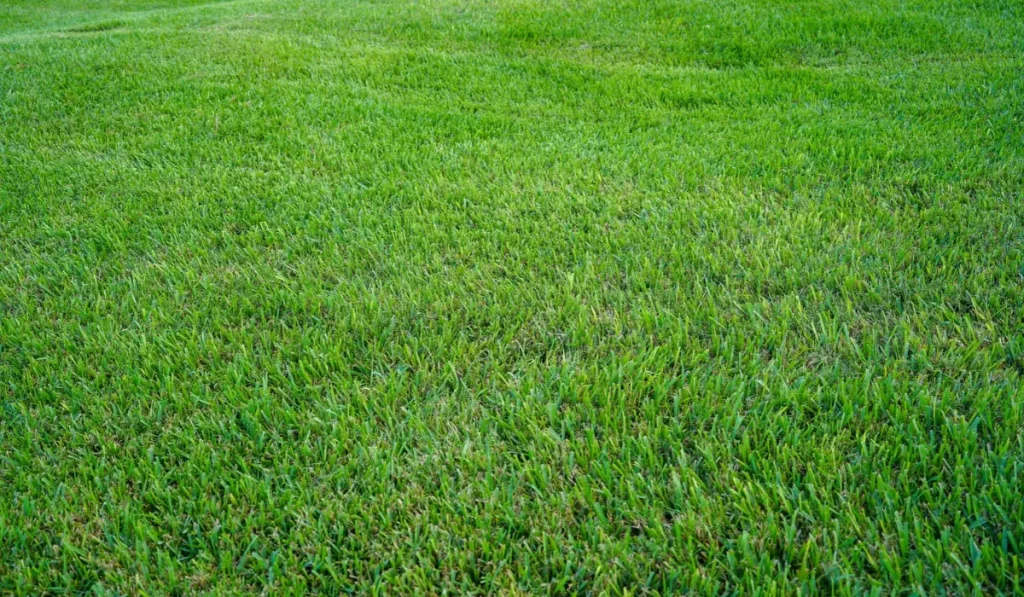
Marathon usually has a finer-looking surface because its leaves are relatively narrow and upright. St. Augustine produces broader, coarser-looking blades that create a different texture.
Neither has a guaranteed advantage for barefoot comfort. Mowing height, turf density, soil firmness, and the condition of the lawn all affect how it feels.
Marathon may appeal to homeowners who prefer a finer grass appearance around patios and play spaces. St. Augustine suits those who like a broader-bladed lawn and don’t mind its different texture.
If comfort is a deciding factor, handle samples of the actual sod products. A photograph can show color and appearance, but it won’t tell you how the grass feels against your feet.
Which Grass Stays Greener During California Winters?
Marathon has the more favorable growth pattern for homeowners prioritizing winter greenery. As a cool-season tall fescue, it can continue growing and retain green color when temperatures and moisture conditions support it.
St. Augustine slows its growth as temperatures fall. In colder weather, it can lose green color or become dormant until conditions improve.
Winter browning isn’t automatically a sign that the lawn is dead. Distinguishing dormant grass from dead grass helps homeowners avoid replacing warm-season turf unnecessarily.
Why Location Changes Winter Color
A mild coastal winter doesn’t expose turf to the same conditions as colder nights in some inland California communities.
Marathon is worth considering where maintaining winter color is a high priority and summer conditions remain suitable for tall fescue.
St. Augustine can retain more color in milder locations than in areas with extended cold periods, but its response depends on the cultivar and weather.
If you want a consistently green-looking front yard, compare the grass’s winter appearance with its summer maintenance demands. A strong winter-color preference shouldn’t be the only reason to choose Marathon for a very hot location.
Watering, Mowing, and Upkeep Compared
Marathon and St. Augustine both need regular maintenance. Their differences are more apparent in when they grow actively, how they respond to seasonal stress, and how damaged areas are repaired.
Neither grass is automatically the lower-water option across California. Soil type, irrigation coverage, temperature, sunlight, and turf health all influence water needs.
Summer Heat and Irrigation
Marathon can experience heat stress in hot inland areas. During extended periods of high temperatures, maintaining suitable soil moisture becomes especially important for cool-season tall fescue.
St. Augustine favors warm-season growth, although it still requires irrigation where rainfall doesn’t meet its needs. Warm-season classification alone doesn’t establish how much water a particular lawn will use.
The University of California Agriculture and Natural Resources turfgrass information covers California turfgrass management and establishment considerations. Local climate should guide irrigation decisions rather than a general claim that either grass is always more drought-tolerant.
When comparing drought-tolerant sod varieties, consider the property during its hottest months, not just how green the grass looks in spring.
Mowing and Fertilization
Marathon needs mowing during periods of active growth. Its growth rate changes with the weather, so mowing frequency should respond to the lawn rather than follow an unchanging schedule.
St. Augustine also requires regular mowing in the growing season. Its runners can extend over borders, making edging an additional task in yards with multiple planting beds or paved areas.
Both grasses need appropriate nutrition, but fertilizer should follow actual turf and soil requirements. Applying extra fertilizer to force growth can create more mowing work without solving problems caused by shade, heat, or heavy traffic.
Long-Term Repair Work
If your lawn regularly develops bare spots, Marathon may involve more hands-on patching. Its bunch-forming growth won’t quickly cover a large damaged area.
St. Augustine can repair some small openings by spreading into adjacent soil, but only when growing conditions support healthy runners. Large or repeatedly damaged sections may still need replacement sod.
Homeowners should evaluate what causes the damage before choosing a grass. Changing varieties won’t solve a problem created by constant traffic, poor drainage, or inadequate sunlight.
Which Grass Fits Different California Yards?
The most useful recommendation comes from the yard’s actual conditions. A lawn used mainly for appearance, one shaded by mature trees, and one exposed to intense inland heat place different demands on grass.
Shaded Backyards
For a backyard with partial sun, compare Marathon with the specific St. Augustine cultivar available from your supplier.
If a mature tree shades much of the lawn, account for root competition as well as sunlight. A turf choice suited to partial shade may still struggle if tree roots absorb much of the available moisture.
Where deep shade prevents healthy turf, mulch or another appropriate landscape covering can be more practical than repeated sod replacement.
Play Areas and Homes With Dogs
Marathon is a reasonable starting choice for moderate family recreation, particularly when homeowners prefer finer-looking blades and cool-season color.
St. Augustine can suit warm locations with normal backyard use, and its spreading habit can help close some small gaps. Neither is ideal for constant concentrated traffic.
For narrow dog runs, busy gateways, and heavily used play routes, consider protecting or replacing those sections with a more durable surface.
Coastal California Yards
Marathon is worth considering in mild coastal locations where cool-season growth can be maintained without prolonged inland-style summer heat.
St. Augustine may also suit coastal sites with favorable temperatures and adequate sunlight. Its suitability still depends on the cultivar, and coastal location alone doesn’t establish tolerance to salt exposure.
Look at local temperature patterns, shade, and irrigation before choosing. Even neighboring coastal properties can have different exposures because of buildings, trees, and wind.
Hot Inland Yards
Hot inland summers can be challenging for Marathon. Homeowners choosing tall fescue in these areas should be prepared to manage irrigation and summer stress carefully.
St. Augustine’s warm-season growth makes it a candidate for suitable warm sites, but winter temperatures also need attention. Cold weather can reduce its growth and lead to seasonal color loss.
Evaluate both ends of the seasonal temperature range before ordering. A grass that handles summer well may not deliver the winter appearance you’re expecting.
What to Check Before Ordering Sod
Start with a simple assessment of the area receiving grass. Note where the lawn gets direct sun, where shade lasts most of the day, and which sections receive the most activity.
Then consider your expectations for winter color and ongoing care. Marathon’s cool-season growth can support winter greenery, while St. Augustine’s spreading habit offers a different approach to repair and boundary management.
Installation timing matters, too. The best time to lay sod in California depends on the grass being installed and local growing conditions. Prepare the soil and irrigation system before delivery, and confirm the specific product’s establishment requirements.
Choosing the Right Grass for Your California Yard
Choose Marathon when cool-season color, finer-looking blades, and moderate everyday lawn use are your main priorities, provided the site can support tall fescue through summer. Consider St. Augustine where warm-season growth, broader blades, and its ability to spread into small gaps suit your yard.
Shade, traffic, and seasonal temperatures can change the recommendation. Compare the exact sod products available rather than assuming every tall fescue or St. Augustine cultivar performs identically.
Browse SodLawn’s sod and lawn care products or contact the SodLawn team with your location, sun exposure, and intended lawn use. Confirming the available grass options before ordering will help you choose sod that fits your property and maintenance expectations.