Installing sod is one of the fastest ways to turn bare soil into a green lawn. But timing matters, especially in California, where the weather can shift from cool coastal fog to hot inland heat. Knowing the best time to lay sod in California helps homeowners grow strong roots, richer color, and a lawn that lasts all year.
If you wonder whether early spring or early fall works best for laying sod, or which grass grows best in your area, this guide explains it clearly. You will learn how to plan around local weather, prepare your yard, and make smart lawn care decisions for long-term success.
Below is a simple month-by-month guide and preparation checklist for California homeowners who want sod that thrives in every season.
Key Takeaways
- The best time to lay sod in California is early spring or early fall.
- Regional climate and grass type affect how well new sod establishes.
- Proper site preparation, watering, and mowing are key for root growth.
- Working with local sod farms and landscapers helps produce high-quality results.
Understanding the Best Time to Lay Sod in California
The best time to lay sod depends on temperature, soil warmth, and moisture. In most areas, early spring and early fall provide warm soil and mild air, which help roots grow quickly.
In Southern California, mild winters allow homeowners to lay sod almost year-round. Central California’s mild climate makes early fall a strong choice. Northern California homeowners should plant in late spring to avoid dormancy.
Choosing the right time can feel confusing. We help homeowners choose sod varieties and timing based on local growing conditions. We also offer professional sod delivery and installation services for homes across California.
Month-by-Month Sod Laying Guide
According to the University of California Agriculture and Natural Resources, homeowners can lay sod any time of the year, but should avoid very hot or very cold weather.
Knowing the best time to lay sod in California helps homeowners plan around changing weather, soil conditions, and the growing habits of different grass types. Each season offers its own benefits and challenges, so timing your installation correctly supports healthy root development, vibrant color, and a lawn that stays healthy year-round.
January–February: Avoid Dormancy
In Northern California, cold weather and rain slow root growth. Laying sod during this time can cause dormancy. Research from Texas A&M shows dormant sodding works only when roots touch the soil. Grass blades remain inactive until warm weather returns, slowing growth and increasing the risk of poor rooting in cold or wet soil.
Warm-season grasses such as bermudagrass and zoysia remain dormant in winter. If temperatures stay above 55°F, homeowners in Central and Southern California can lay fescue sod, which handles cooler weather well.
March–May: Early Spring Growth
Early spring is one of the best times to plant sod across California. Soil warms up, and light rainfall keeps it moist without extra watering.
This season works well for cool-season grasses such as tall fescue and Kentucky bluegrass in Northern and Central California. In Southern California, warm-season grasses like bermudagrass and St. Augustine begin active growth.
Before installing sod, test your soil, add organic matter, and apply starter fertilizer to support root growth. Homeowners who use grass seed can also plant during this time for faster germination.
June–August: Hot Weather Challenges
Summer heat can stress new sod, especially in inland areas. Warm-season grasses grow well, but new sod needs even moisture from sprinklers or an irrigation system.
In Central and Southern California, bermudagrass grows well in summer. Fescue often needs more water and some shade. Avoid laying sod during extreme heat unless you can keep the soil moist and cool.
When installing sod in summer, lay it early in the morning and water it several times a day during the first week.
September–October: Prime Sod Season
Early fall is often the best time to lay sod in California. Cooler air slows evaporation, while warm soil helps roots grow before winter.
Northern California lawns do best with September installations. Central and Southern California lawns grow well with fescue or hybrid bermudagrass.
After laying sod, use a lawn roller to remove air pockets. Water deeply so the roots touch the soil.
November–December: Slower Growth and Dormancy
By late fall and early winter, soil cools, and warm-season grasses enter dormancy. Bermudagrass and zoysia turn brown above ground but stay alive below the soil.
In mild Southern California areas, homeowners can still lay tall fescue in early winter if the soil stays warm. Keep the soil moist, avoid foot traffic, and wait to mow until the grass resumes growth.
California Sod Prep Checklist for Homeowners
Laying new sod starts with soil preparation. Follow this checklist before planting sod to help new grass root deeply and evenly.
- Test and Amend Soil: Check pH and nutrient levels, and add compost or other amendments to improve topsoil quality.
- Clear the Area: Remove old grass, weeds, and debris for a smooth base.
- Grade for Drainage: Slope slightly away from your home so water doesn’t pool.
- Inspect Sprinkler System: Confirm even water coverage before laying sod.
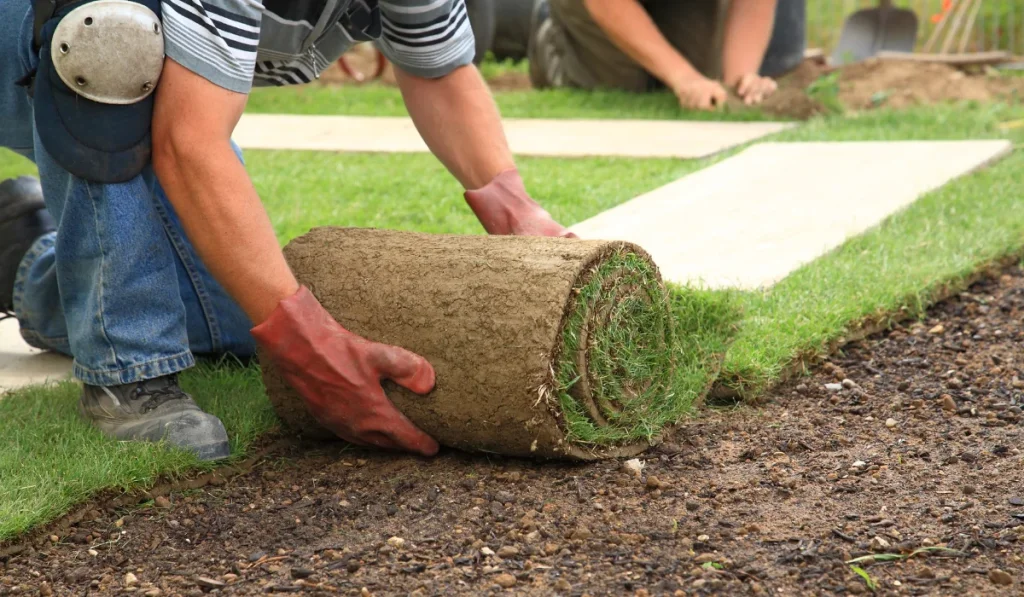
- Lay and Roll Sod: Stagger seams like bricks and use a lawn roller to remove air pockets.
- Water and Mow Carefully: Keep soil moist for 10–14 days, then reduce watering as roots grow. Wait to start mowing until the new grass reaches 3 inches.
Following these steps helps your newly installed sod establish quickly. Our California sod farms provide fresh, high-quality turfgrass for every soil type and region.
Making the Right Sod Choice for Your California Home
A successful sod installation depends on clear planning and realistic expectations. Paying attention to local conditions and following proven steps helps new sod settle in evenly and grow strong over time.
At SodLawn, we support homeowners across California with reliable sod options and practical guidance for different regions and yard needs.
Contact us today to get help choosing sod or planning your installation.
FAQs
What is the best time to lay sod in Southern California?
Early spring and early fall are the best times to lay sod in Southern California, thanks to mild weather and longer growing seasons.
Can I lay sod in Northern California during winter?
It’s better to wait until late spring, when frost risk has passed. Cool, wet soil slows root growth and can cause dormancy.
How often should I water new sod in Central California?
For the first two weeks, water lightly two to three times daily to keep the soil moist, then reduce frequency as root growth improves.