Real sod is the best choice for most California homeowners who want a natural lawn for children, pets, and everyday outdoor activities. It generally stays cooler than artificial turf under comparable sunny conditions when adequately watered, feels comfortable underfoot, and can recover from wear with proper care.
Artificial turf is a practical alternative if reducing mowing and routine irrigation matters more, while gravel, mulch, and ground cover plants work best in areas that don’t need a lawn. Before buying, compare these grass alternatives based on installation costs, heat, water use, durability, and long-term maintenance.
Grass Alternatives vs. Real Sod vs. Artificial Turf: Which Should You Choose?
For a backyard used by children, pets, and guests, natural sod offers advantages that manufactured surfaces cannot fully reproduce. Living grass can cool itself through evapotranspiration and recover from some wear during active growth. It does, however, need watering, mowing, and occasional repairs.
Artificial turf suits homeowners who want a lawn-like appearance without mowing. It can also work in compact spaces where maintaining living grass is difficult. Its main compromises are surface heat, cleaning requirements, and eventual replacement.
Other ground covers are often more practical for decorative areas. A planted border, mulched side yard, or gravel pathway may serve its purpose without needing either sod or artificial turf.
| Buying Factor | Real Sod | Artificial Turf | Other Ground Covers |
| Installation | Soil preparation, sod, and labor | Prepared base, drainage, synthetic material, and labor | Depends on plants, materials, and site work |
| Summer heat | Living grass can provide cooling when adequately watered | Can become hot in direct sunlight | Depends on vegetation, shade, and material |
| Water requirements | Irrigation during establishment and ongoing care | No irrigation for growth; water may be used for cleaning | Varies by plant or material |
| Durability | Can recover from some damage | Worn fibers cannot regenerate | Depends on traffic tolerance and material |
| Comfort | Natural surface for play and relaxation | Manufactured texture; heat can affect comfort | Ranges from soft vegetation to hard surfaces |
| Upkeep | Watering, mowing, fertilizing, and repairs | Cleaning, debris removal, and repairs | Weeding, pruning, or material replenishment |
| Best fit | Active lawns and family backyards | Compact or difficult-to-grow areas | Decorative and low-traffic spaces |
The table helps narrow your options, but installation conditions and long-term upkeep will determine which surface offers the best value for your property.
What Are the Main Alternatives to Natural Grass?
Most homeowners comparing grass alternatives are choosing between a living lawn, synthetic turf, and materials that replace grass entirely. These surfaces serve different purposes, so start by identifying where you actually need lawn coverage.
Real Sod for an Established Lawn
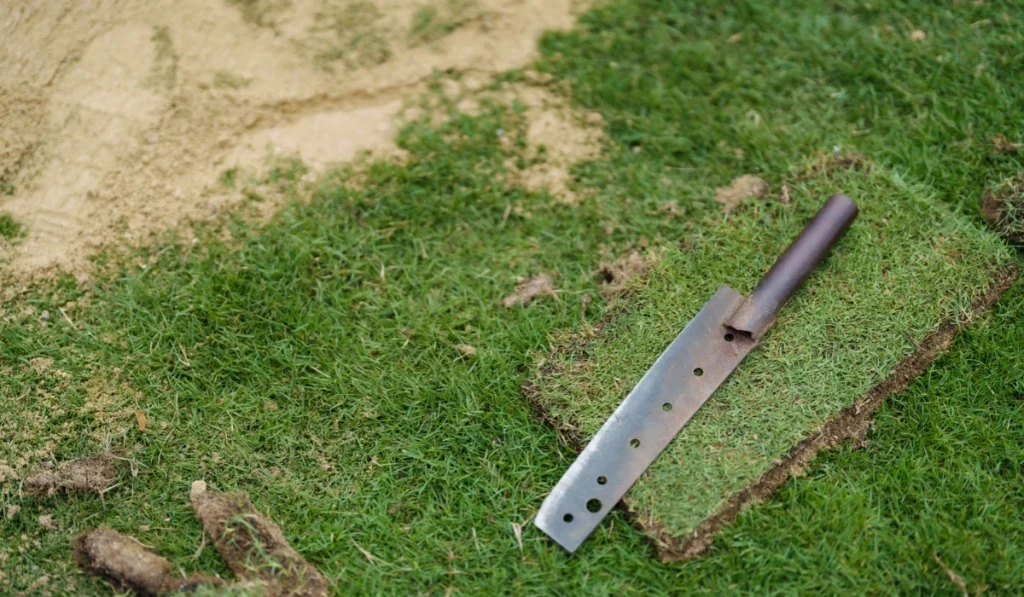
Sod is mature grass harvested with an attached layer of roots and soil. After installation, the roots must establish in the prepared ground before the lawn can tolerate regular use.
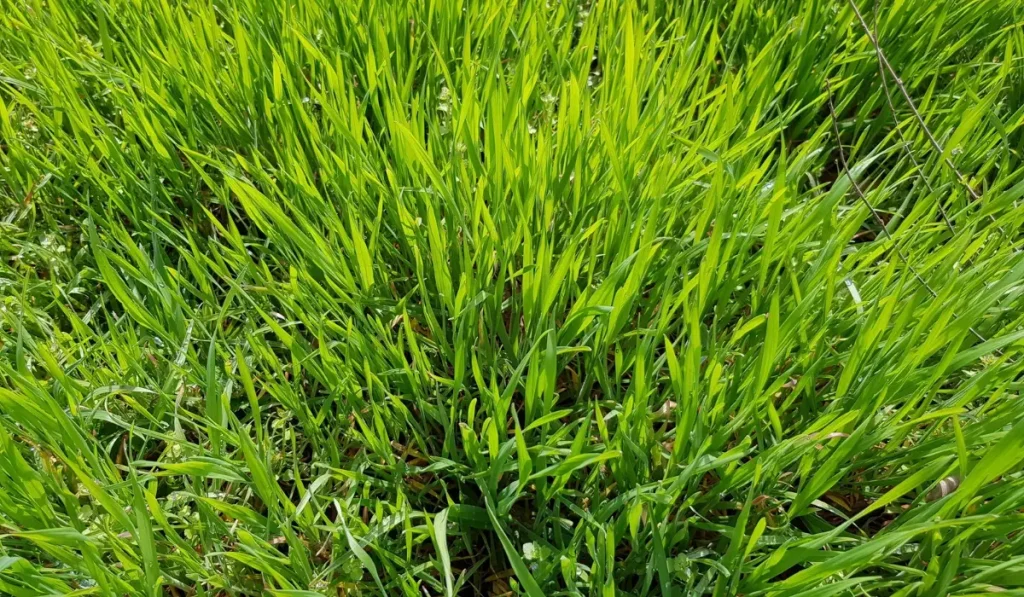
Grass selection matters. Bermuda grass is suited to sunny conditions and can spread into damaged areas during active growth. Other grass types have different shade tolerance, seasonal color, and maintenance requirements.
For a yard used regularly for games, gatherings, or relaxing outdoors, the natural texture and regenerative growth of sod can make it an appealing choice.
Artificial Turf for Areas Where Grass Struggles
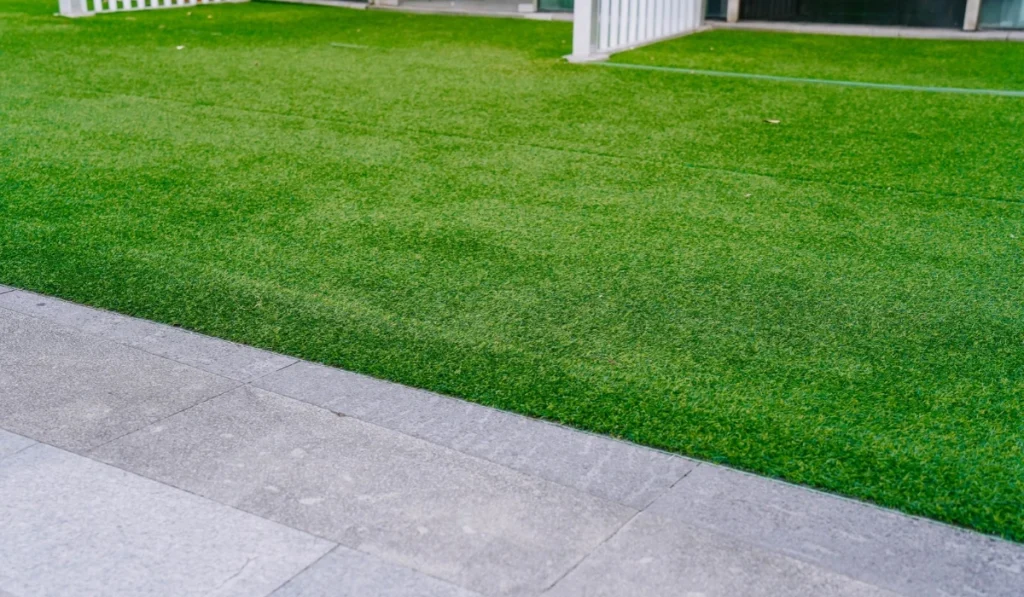
Artificial turf uses synthetic fibers attached to a backing system to create a grass-like surface. Because it doesn’t grow, it needs no mowing or fertilizer to maintain its appearance.
This can be useful in small yards where access for mowing is difficult or where growing conditions make natural grass hard to maintain. Still, the installation must account for drainage, surface stability, and the amount of direct sunlight the area receives.
Ground Covers for Spaces That Don’t Need a Lawn
Gravel and mulch work well around planting beds, along pathways, and in narrow areas that receive little use. Low-growing plants can provide living coverage, although their success depends on sunlight, soil, irrigation, and foot traffic.
These materials are not direct substitutes for a recreational lawn. Gravel may suit a side passage, for example, but it won’t offer the same surface as sod for children playing barefoot.
A mixed landscape often makes more sense than replacing every section of grass with a single material.
How Much Do Real Sod and Artificial Turf Cost?
The fairest cost comparison includes installation, maintenance, repairs, and replacement. A material that appears inexpensive on a product listing may require substantial ground preparation, while another surface may cost more to maintain after installation.
California pricing also varies with property access, labor, grading, and existing landscape conditions. Rather than relying on a generic price per square foot, compare estimates based on the same measured area and scope of work.
Compare the Full Installation Cost
Sod installation usually requires removing existing vegetation, preparing the soil, correcting uneven areas, and laying the grass. An irrigation system may need adjustments to provide adequate coverage.
Artificial turf requires a suitable base, drainage provisions, and secure installation of the synthetic material. The amount of excavation or grading needed can significantly affect the project.
The cost of sod installation in Northern California depends in part on labor, site preparation, and the grass selected. For either surface, ask whether removal of existing materials, disposal, grading, and finishing work are included in the quote.
Account for Maintenance and Replacement
Natural sod has recurring expenses for irrigation, mowing, fertilizing, and repairs. These costs depend on lawn size, grass type, equipment, and local water rates.
Artificial turf has different maintenance demands. Leaves and dirt must be removed, pet areas need cleaning, and damaged sections may require repair. Its fibers also wear over time, meaning replacement should be part of a long-term ownership calculation.
Living grass can remain in place and continue growing with appropriate care, although damaged or declining sections may need replacement sod.
To compare the options fairly, add projected upkeep and repairs to installation costs. If you expect to own the property for many years, consider whether synthetic turf replacement could fall within that period.
Grass Alternatives vs. Real Sod: Which Handles Heat and Water Better?
Heat and water use create one of the clearest trade-offs between natural sod and artificial turf. Synthetic grass removes the need for irrigation to support plant growth. Real grass needs water, but that moisture also contributes to its cooling process.
The difference matters most in sunny California yards where people or pets spend time directly on the surface.
Real Grass Provides Natural Cooling
Living grass cools its surroundings partly through evapotranspiration. Water evaporates from the soil and moves through plants, helping moderate surface temperatures.
The U.S. Department of Energy’s energy-efficient landscaping guidance describes how vegetation and thoughtful landscape design can influence outdoor temperature and comfort.
Artificial turf doesn’t provide this plant-based cooling. Synthetic fibers exposed to intense sunlight can become hot enough to make walking barefoot uncomfortable.
In Sacramento, Fresno, and other hot inland areas, this is a practical concern for patios and play spaces. A well-maintained natural lawn can offer a more comfortable surface, provided it receives enough moisture to support healthy growth.
Artificial Turf Uses Less Routine Irrigation
Artificial turf doesn’t need watering to stay alive because it contains no living grass. Homeowners may still use water for cleaning or temporary cooling, particularly in areas used by pets.
Natural sod needs frequent attention to moisture during establishment. After the roots develop, irrigation should reflect the grass variety, weather, soil conditions, and seasonal growth.
The EPA WaterSense landscaping recommendations emphasize matching landscape design and irrigation practices to actual water needs.
For homeowners who want a living lawn, drought-tolerant sod varieties for Southern California offer options for warm growing conditions. Drought tolerance doesn’t eliminate watering, but an appropriate variety can be part of a water-conscious landscape.
Which Surface Lasts Longer and Feels Better?
A lawn’s lifespan depends on what happens after installation. Daily traffic, sunlight, drainage, and maintenance all affect how the surface performs over the years.
Natural grass and artificial turf respond differently to damage. That distinction matters if you’re planning a yard for frequent activity rather than appearance alone.
Natural Sod Can Regrow After Wear
Healthy grass can recover from moderate wear when the roots remain established and conditions support growth. Spreading grass varieties can gradually fill some worn spots during their active growing season.
Heavy traffic, poor drainage, and unsuitable shade can still cause damage. Bare or severely worn sections may need repairs or new sod.
Artificial turf doesn’t regenerate. Once fibers become flattened, worn, or damaged, maintenance can address some problems, but the material itself won’t grow back. Replacement sections may also look different from older turf.
Artificial Turf Feels Consistent but Can Retain Heat
Synthetic turf provides a manufactured texture that varies with fiber design, backing, and installation. Some products include cushioning, but surface heat can reduce comfort during sunny weather.
Natural grass offers a living surface that many families prefer for sitting, walking, and playing. It can also become muddy when drainage is poor or the ground is saturated.
Neither surface is automatically comfortable in every condition. Consider the amount of shade, typical weather, drainage, and activities planned for the space.
Which Grass Alternatives Work Best for Different Yards?
A lawn’s purpose should guide your purchase. The same surface won’t necessarily work equally well for a dog run, decorative front yard, and family play area.
For Families With Children: Choose Natural Sod
A backyard used for games and outdoor gatherings benefits from a living surface that supports regular activity. Sod provides natural texture and can recover from some wear when maintained appropriately.
Choose a variety suited to your climate and anticipated foot traffic. In busy areas, allowing new sod to establish before regular use helps protect developing roots.
For Dogs: Compare Cleaning, Wear, and Surface Heat
Dogs can wear paths into natural grass, particularly along fences and frequently traveled routes. Urine and digging may also damage specific areas.
The best grasses for dogs in California depend on traffic tolerance, recovery during active growth, sunlight, and climate. Some spreading varieties can repair moderate wear more readily than grasses that rely mainly on upright growth.
Artificial turf avoids muddy patches where natural grass has worn away, but waste still needs prompt removal and cleaning. If the yard receives direct afternoon sun, surface temperature is another concern for pets.
For Small Patios: Consider Artificial Turf
A compact courtyard may lack the soil depth or growing conditions needed for a healthy lawn. Artificial turf can provide a grass-like appearance without mowing.
Before installation, check how rainwater will drain and how much sun the surface receives. Synthetic turf isn’t automatically suitable for every patio, particularly one with inadequate drainage.
For Decorative Areas: Use Ground Covers
Mulch, gravel, and suitable plants often make more sense in spaces where nobody needs to sit or play.
A narrow side yard may benefit from gravel and stepping stones, while planting beds can use mulch around established shrubs. Low-growing plants provide another option where the soil, light, and traffic conditions are appropriate.
These materials let you reserve natural grass for the parts of the property where its comfort and usability matter.
For Active Backyards: Consider Drought-Tolerant Sod
For regular outdoor recreation, natural sod offers a combination of comfort and the ability to produce new growth after some wear.
Certain Bermuda grass varieties are suited to full sun and active use. Their performance still depends on irrigation, soil preparation, and seasonal growing conditions.
Drought-tolerant grass is not a substitute for proper lawn care, but it can be a practical choice for California homeowners who want an active lawn without selecting a variety poorly suited to the local climate.
How Does California’s Climate Affect Your Choice?
California’s coastal areas, inland valleys, and desert communities experience different growing conditions. A grass variety or landscaping material that works in one location may perform differently elsewhere.
The UC Agriculture and Natural Resources turfgrass information provides guidance on turf selection and management, reinforcing the need to match grass varieties to the conditions where they’ll grow.
Hot Inland Areas
In Sacramento, Fresno, and the Inland Empire, extended exposure to summer sun makes surface heat an important consideration.
Natural sod can help cool an actively used yard when adequately watered. Warm-season grasses are often worth evaluating for sunny locations, although variety-specific shade tolerance and seasonal appearance still matter.
Artificial turf in these locations should be assessed for heat exposure, particularly where children or pets will use it during the hottest parts of the day.
Cooler Coastal Areas
Coastal yards may experience milder temperatures and different patterns of sunlight and shade.
The challenge is often selecting grass that suits the property’s actual light and growing conditions. Some lawns receive enough sunlight for healthy turf, while others remain shaded by buildings or trees for much of the day.
Artificial turf may be useful where growing grass is difficult, but drainage and surface comfort still need attention.
Water-Conscious Landscapes
Reducing lawn area can be as useful as changing the type of grass. Keep sod where the household needs a functional lawn, then use suitable plants or other ground covers around it.
Installation timing also affects establishment. The best time to lay sod in California varies by grass variety and regional growing conditions. Choosing an appropriate planting period helps new roots establish under more favorable conditions.
What Should You Check Before Buying?
Before committing to sod or artificial turf, evaluate the property itself. A surface selected for appearance alone may be poorly suited to the yard’s sunlight, drainage, or daily use.
Measure the Usable Lawn Area
Decide where grass is actually needed. A smaller natural lawn surrounded by planting beds may serve your household better than covering the entire property with sod or synthetic turf.
Accurate measurements also make contractor estimates easier to compare. Calculating how many square feet of sod you need involves accounting for the lawn’s shape, dimensions, and installation cuts.
Check Sun Exposure and Drainage
Observe which parts of the yard receive direct afternoon sunlight and where shade lasts through most of the day.
For sod, soil condition and drainage affect rooting and long-term growth. Artificial turf needs an appropriate base and drainage design to prevent water from collecting on or beneath the surface.
Compare Equivalent Quotes
Ask installers to itemize removal, preparation, materials, labor, drainage, and finishing work. For sod, include any necessary irrigation improvements. For artificial turf, understand what the quote covers for base construction, seams, and edges.
Also ask about maintenance responsibilities and what repairs would involve. A complete estimate provides a more useful comparison than the material price alone.
Choosing the Right Grass Alternatives for Your California Yard
Real sod is often the stronger choice when you want a living lawn for children, pets, and everyday outdoor activities. Artificial turf can work in smaller spaces where growing grass is difficult or mowing is undesirable. Gravel, mulch, and ground cover plants are practical choices for areas that don’t need conventional turf.
For California homeowners, the decision comes down to balancing heat, water use, comfort, and upkeep with the property’s actual growing conditions. If natural grass is the right fit, choosing an appropriate variety and preparing the site properly will help the lawn establish successfully.
SodLawn supplies sod for residential and commercial landscaping projects throughout California. Compare available grass options for your climate, then contact the SodLawn team to discuss your lawn size, location, and sod needs before placing an order.