Does fescue grass spread, or will a thin lawn stay thin until you repair it? For most California homeowners, the answer depends on the type of fescue in the yard. Most tall fescue thickens by producing new shoots close to the original plant, but it does not move quickly across bare soil.
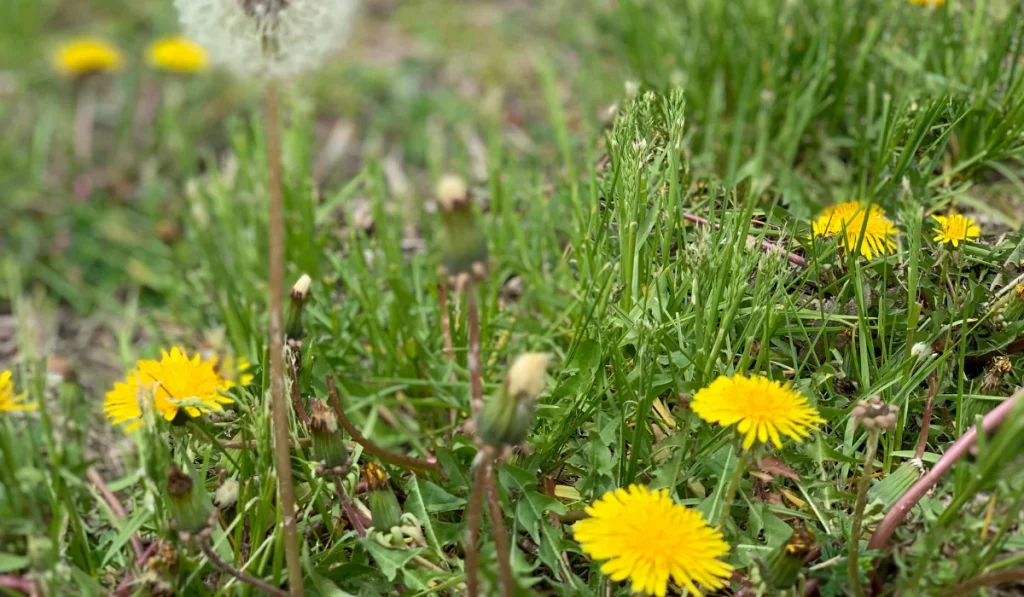
That growth habit matters when summer heat, foot traffic, pets, shade, or uneven irrigation leave open patches. A lawn may look as though it only needs time, yet a true bare area often remains exposed unless you reseed it or install a small section of sod.
Some fine fescues spread more than tall fescue, and certain tall fescue cultivars have limited underground growth. Still, most damaged tall fescue lawns need active help. Once you understand how fescue grows, you can choose the right repair method and avoid waiting on a recovery that is unlikely to happen on its own.
Does Fescue Grass Spread?
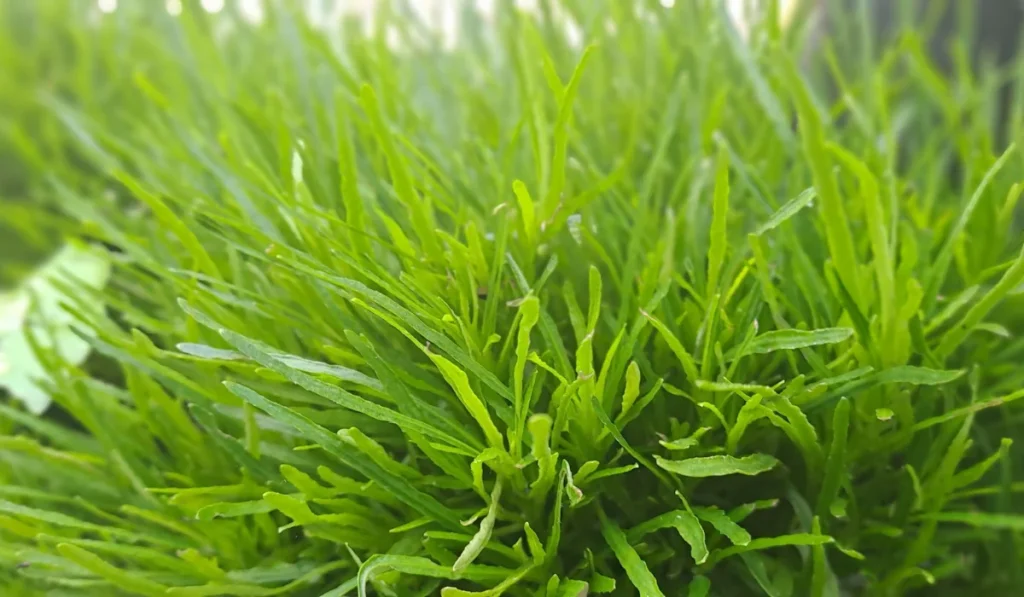
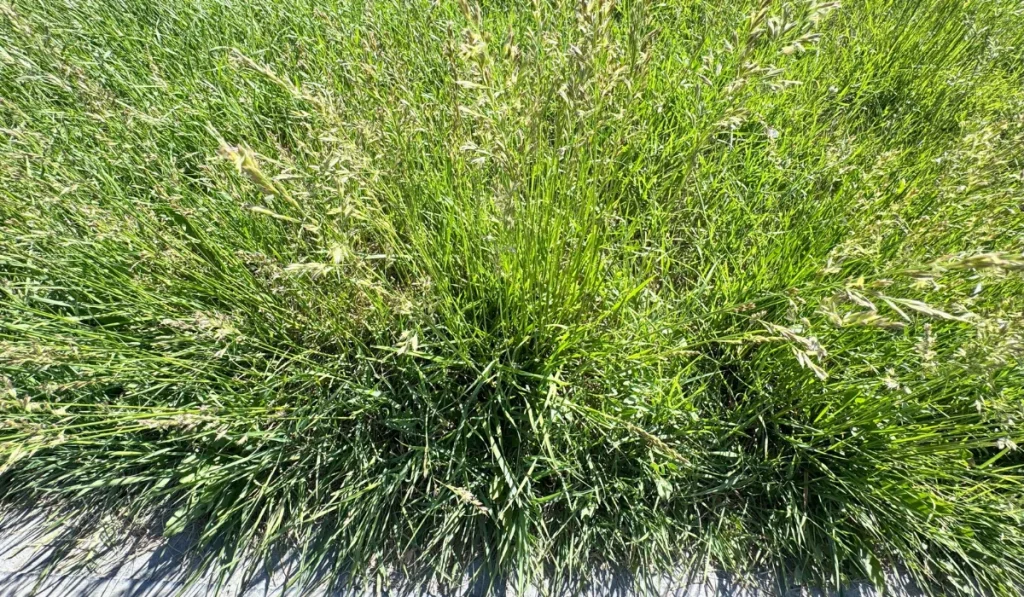
Most turf-type tall fescue grows as a bunch grass. Each plant develops from a central crown and produces new shoots close to that crown. This process allows the clump to become denser, but it does not create the fast lateral growth found in grasses that send long runners across the soil.
Tall fescue may close very small gaps between healthy plants during active growth. It is far less likely to cover a broad bare patch without seed or sod. The UC Statewide IPM turfgrass resources offer California-specific guidance on turf species, establishment, irrigation, and lawn care, which can help you match your repair plan to local growing conditions.
The term “fescue grass” includes several grasses with different growth habits. Turf-type tall fescue has limited natural spread, while creeping red fescue can move outward through underground stems called rhizomes. Other fine fescues, including Chewings fescue, hard fescue, and sheep fescue, generally grow more like bunch grasses.
| Fescue Type | Main Growth Habit | Ability to Fill Bare Areas |
|---|---|---|
| Turf-type tall fescue | Bunch growth and tillers | Limited |
| Creeping red fescue | Rhizomes | Better lateral spread |
| Chewings, hard, and sheep fescues | Primarily bunch growth | Limited |
| Rhizomatous tall fescue | Short rhizomes, depending on cultivar | Modest and variable |
How Does Fescue Grass Spread Through Tillering?
Tall fescue spreads mainly through tillering. A tiller is a new shoot that forms near the base of an existing grass plant. As more tillers develop, the plant becomes wider and denser around its crown.
Tillering helps a healthy tall fescue lawn maintain a full appearance. It can also improve thin areas where living plants are already close together. However, tillers stay near the parent plant, so they do not travel several inches across exposed soil and create a new plant at the far edge of a bare patch.
You can think of a tall fescue bunch as a family adding more chairs around the same table. A grass with long runners can place an entirely new table farther away. That difference explains why tall fescue bunch grass may look thicker over time without truly spreading across open ground.
Stolons and rhizomes work differently. Stolons grow along the soil surface, while rhizomes grow below it. Both can form new plants away from the original crown, but standard tall fescue does not rely on either method for aggressive lateral growth.
Will Tall Fescue Fill In Bare Spots On Its Own?
Whether tall fescue will fill in bare spots depends on what remains in the damaged area. A thin section that still contains living crowns may gain density as the plants produce new tillers. A patch of exposed soil with no healthy plants usually needs overseeding or sod.
The cause of the damage also affects recovery. If compacted soil, repeated foot traffic, uneven irrigation, deep shade, or pet wear remains in place, new grass may struggle in the same location. Repairing the surface without correcting the original problem often leads to another bare patch.
Start by checking the soil and the nearby plants. Healthy fescue should have firm crowns and active growth during favorable weather. If the plants are alive but sparse, improved irrigation, mowing, and traffic control may help them thicken. If the area contains dead crowns or open soil, waiting for neighboring plants is unlikely to produce even coverage.
The shape of the damage can also point to the cause. A narrow strip beside a walkway may indicate traffic or reflected heat. An irregular dry area may suggest poor sprinkler coverage. A worn patch near a gate, play area, or dog run usually needs both lawn repair and a plan to reduce repeated stress.
Which Fescue Grasses Spread More Than Tall Fescue?
Creeping red fescue spreads more readily than standard tall fescue because it produces rhizomes. These underground stems allow the grass to move beyond the original crown and form new growth nearby. That makes creeping red fescue better able to knit together small openings.
Not every fine fescue behaves the same way. Chewings fescue, hard fescue, and sheep fescue do not share the same creeping habit. When you choose seed, read the blend label instead of assuming that every product marked “fine fescue” will repair itself laterally.
Some newer cultivars are sold as rhizomatous tall fescue. These grasses have been selected for more underground growth than conventional tall fescue, but their repair ability varies by cultivar and growing conditions. They should not be expected to spread as quickly as grasses known for aggressive runners.
The National Turfgrass Evaluation Program publishes independent turfgrass trial information that can help you compare cultivar performance. If a seed label makes a strong self-repair claim, independent trial data can give you a better basis for judging it.
How To Help Fescue Grass Spread And Thicken
Tall fescue responds best when you improve the growing conditions for existing plants and reseed the areas they cannot reach on their own. Before you add seed, identify why the lawn became thin. That step helps you avoid repeating the same repair a few months later.
Correct The Source Of Thinning
Check irrigation coverage before overseeding fescue. A sprinkler that misses part of the lawn can create a repeating dry patch even when the rest of the yard receives enough water. Run the system long enough to observe blocked heads, uneven spray, runoff, and low-pressure areas.
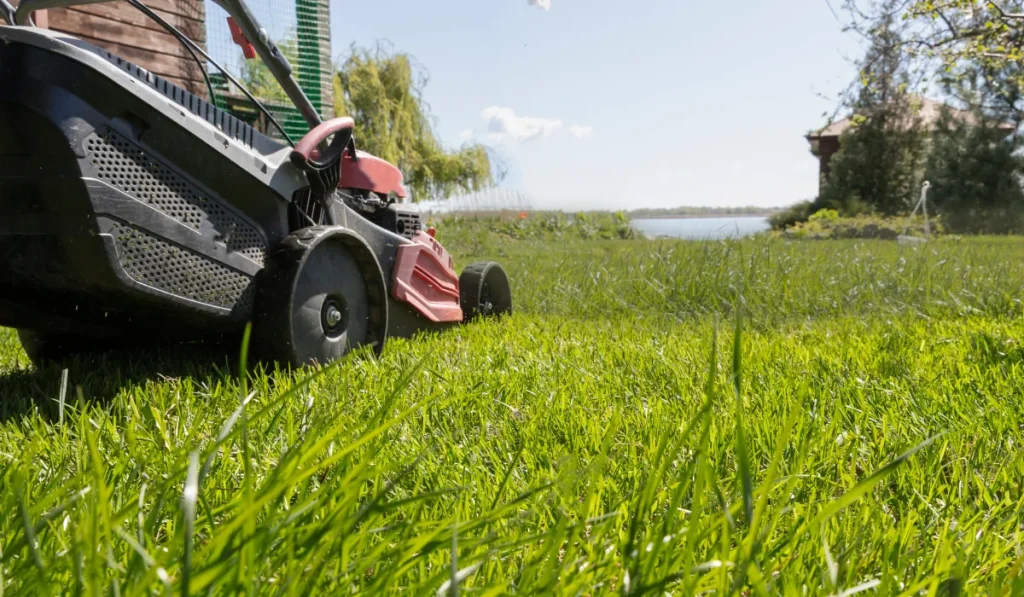
Mowing habits also affect turf density. Cutting too low removes much of the leaf area the plant uses for growth, while dull blades tear the grass instead of cutting it cleanly. Repeated scalping can weaken the crowns and reduce the plant’s ability to produce new tillers.
Compacted soil limits air, water, and root movement. Areas near patios, gates, play spaces, and parking strips often receive more pressure than the rest of the lawn. Reducing traffic or adding a walkway may be necessary before you repair bare spots in a fescue lawn.
Overseed Areas That Remain Bare
Overseeding is often the most practical choice for small and medium bare areas. Remove loose dead material, lightly loosen the soil surface, and spread seed evenly according to the product label. Good soil-to-seed contact helps keep the seed in place and gives it better access to moisture.
Keep the soil surface consistently moist during fescue seed germination, but avoid heavy watering that moves the seed or leaves puddles. As seedlings establish, reduce watering frequency gradually so the roots begin growing deeper.
Protect the area from foot traffic while the seedlings are young. Mow only after the new grass has enough height and strength to handle cutting. Use sharp mower blades, and avoid removing too much leaf growth at one time.
Use Sod Where Faster Coverage Matters
Seed works well when you can protect the area during establishment. Sod may be a better choice where erosion, pets, children, or appearance make immediate coverage more useful.
A small sod repair gives you established plants with mature crowns from the start. The seams still need time to knit together, but you do not have to wait for seed to germinate and develop into a usable surface.
Best Time To Overseed Fescue In California
Fall is generally the best time to overseed fescue because tall fescue is a cool-season grass. Soil often stays warm enough for establishment while air temperatures begin to moderate. Young plants also face less immediate pressure from peak summer heat.
The exact timing varies across California. Coastal lawns may have a longer workable season, while hot inland areas should wait until high temperatures ease. Mountain and colder inland locations need enough growing time before freezing conditions slow establishment.
Local weather, irrigation access, and water rules should guide your final schedule. The NC State Extension tall fescue lawn maintenance calendar provides established seasonal guidance for tall fescue care, but California homeowners should pair general recommendations with local conditions.
Avoid choosing a date only because it appears on a national lawn calendar. A good establishment window depends on moderate temperatures, reliable irrigation, and enough time for seedlings to develop before severe heat or cold.
Making The Right Fescue Repair Choice For Your California Lawn
So, does fescue grass spread? Most tall fescue thickens through tillering, but it does not move aggressively across bare soil. Creeping red fescue has more lateral growth, while rhizomatous tall fescue offers limited and cultivar-dependent repair.
A thin lawn with living plants may improve after you correct irrigation, mowing, compaction, or traffic problems. A true bare patch usually needs overseeding or sod. By matching the repair method to the fescue type and the cause of damage, you can build a denser, more even lawn.
SodLawn supplies California homeowners and commercial properties with sod, grass seed, fertilizer, and lawn tools for a wide range of sites. For help choosing the right fescue product or repair option for your property, contact the SodLawn team.