Most areas of California do not get snow, but lawns still slow down as temperatures drop. Fall fertilizing gives grass the nutrients it needs to stay healthy, helps roots store nutrients for winter, and helps it come back brighter once warm weather returns.
When you fertilize at the right time, your yard enters winter with enough energy to handle cooler nights and busy foot traffic.
This guide covers when to fertilize, which products work best for California lawns, and how to prepare your yard for winter so it stays strong through the colder months.
Key Takeaways:
- Fertilize in early to mid-fall while your lawn is still active. This timing helps the grass absorb nutrients before winter slows growth.
- Use a fertilizer with more potassium to strengthen your grass. Potassium supports healthier roots and improves your lawn’s ability to handle cold and stress.
- Aerate the soil to help nutrients reach the roots. Aeration loosens compacted soil so water, air, and fertilizer can move deeper into the root system.
- Match your care routine to your region and type of grass. California’s climate varies, so each area and grass type needs a slightly different fall lawn care plan.
Understanding Lawn Growth in California
California’s climate varies by region, which affects how long lawns stay active in the fall. Cool-season grasses like tall fescue, ryegrass, and Kentucky bluegrass grow well in cooler weather and remain active later into fall, supporting steady root growth before winter.
Warm-season grasses like bermudagrass and zoysia slow down earlier as temperatures drop.
A soil test shows which nutrients your lawn needs. Grass type, soil conditions, and local weather guide your fall fertilization plan.
The Best Time to Fertilize Before Winter in California
Most lawns benefit from fall fertilization once daytime temperatures begin to cool in early to mid-fall. This timing gives roots a chance to absorb nutrients before the soil cools.
- Cool-season grasses: Fertilize in late fall so the lawn has nutrients stored for early spring growth.
- Warm-season grasses: Use low-nitrogen, higher-potassium feeding in early fall and stop nitrogen once dormancy begins.
Choose a slow-release fertilizer with a higher potassium content. Potassium helps turf handle cold, rain, and foot traffic as growth slows.
How to Prepare for Fertilizer Application
Getting your lawn ready before fertilizing is an important part of preparing it for winter, as it helps nutrients reach the roots and improve results. Follow these simple steps:
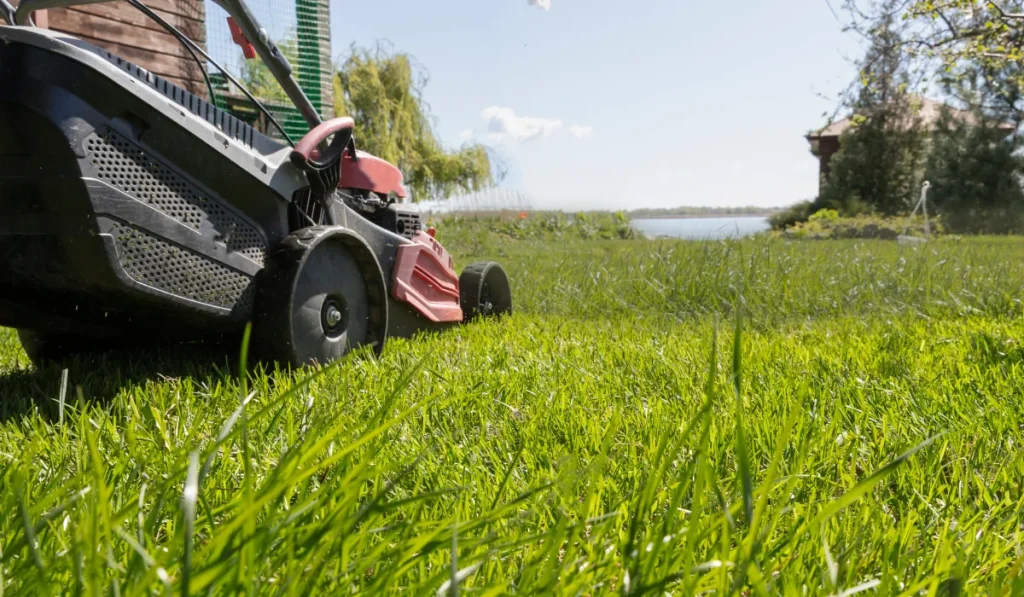
- Mow to the right height.
Keep cool-season lawns around 2.5 to 3 inches and warm-season lawns slightly shorter. Use a sharp mower blade to make clean cuts. - Aerate the soil.
Aeration loosens compacted soil, improves airflow, and helps your lawn build deep roots that absorb water and nutrients more effectively. It also reduces thatch buildup and supports stronger grass. - Clean up and condition the surface.
After aerating, remove any leftover thatch or grass clippings. Spread a thin layer of compost to help the soil hold nutrients and improve its structure. - Apply fertilizer evenly.
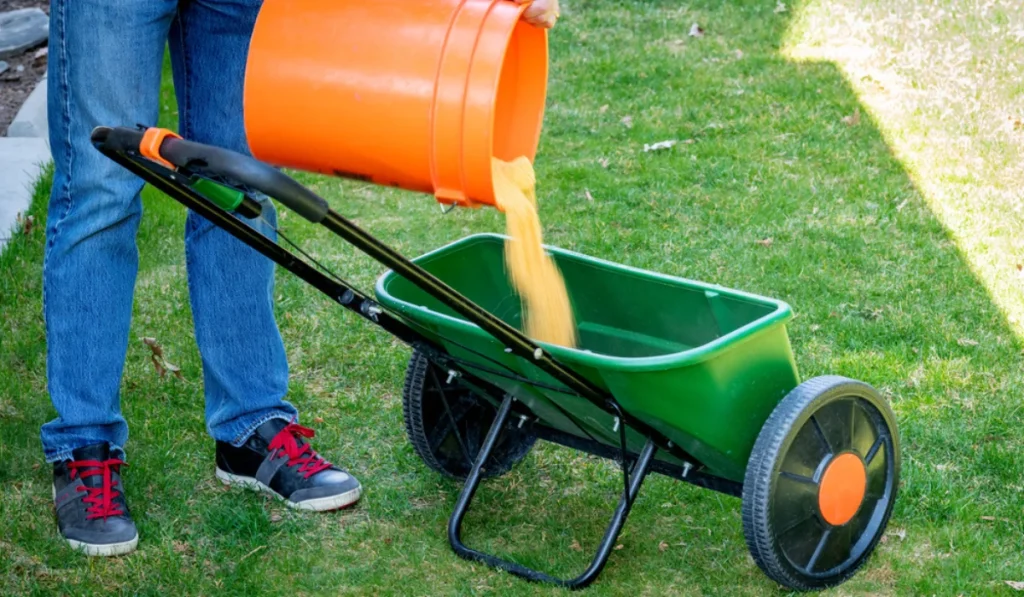
Use a spreader for consistent coverage. Follow the label instructions for the correct rate per square foot to apply the right amount of fertilizer without overdoing it. - Wait after overseeding.
If you plan to overseed with ryegrass or fescue for winter color, wait until the grass seed has germinated before applying fertilizer.
For help with aeration, overseeding, or fertilizer application, our local teams offer expert lawn care services across California.
How to Choose the Right Fertilizer for California Lawns
The best organic fertilizer depends on your soil, region, and grass type. Coastal areas often have sandy soils, while inland areas tend to have heavier clay soils. A soil test helps you see what nutrients your lawn needs.
Choose an organic or slow-release fertilizer that includes nitrogen, phosphorus, and potassium. Most California lawns need 2–3 nitrogen feedings per year, depending on grass type, watering habits, and soil health, but fall feeding often requires a slightly different mix based on your grass type and region.
Fall blends usually include extra potassium to improve winter strength. Cool-season grasses need moderate nitrogen, while warm-season grasses need less nitrogen to avoid weak late-season growth.
Moist soil helps nutrients move into the root system where they’re needed most.
How to Keep a Green Lawn Year-Round in California
After fertilizing, keep up light maintenance until growth stops. Mow as needed and leave small clippings on the lawn as a light mulch to feed the soil.
Water deeply but less often, especially during rainy months when the soil stays moist, since watering grass in winter is different from summer watering and usually requires less frequent irrigation.
By spring and into late spring, lawns that received fall care grow thicker, stay greener, and handle heat and foot traffic better.
Making the Right Fertilization Choice for Your California Lawn
A healthy lawn starts with thoughtful planning and steady care. Choosing the right fertilizer and applying it at the right time keeps your yard strong through winter and ready for new growth in spring.
Whether you manage cool- or warm-season grass, a little preparation now helps your lawn stay greener longer and bounce back faster when warmer weather returns.
At SodLawn, we offer expert guidance and quality sod to keep California lawns thriving year-round.
Contact us today to get a personalized lawn fertilization plan for this season.
FAQs
When is the best time to fertilize your lawn before winter in California?
The best time is in early to mid-fall, from late September through November. Fertilizing too late won’t help much since grass growth slows once soil temperatures drop.
What kind of fertilizer should I use before winter?
Use a slow-release fertilizer high in potassium and moderate in nitrogen. This mix strengthens roots and supports the lawn during dormancy.
Do cool-season and warm-season grasses need different fertilization schedules in California?
Yes. Fertilize cool-season grasses like tall fescue and ryegrass in late fall. Fertilize warm-season grasses like bermudagrass and zoysia in early fall before they go dormant.