Grass seed for sandy soil can produce a healthy California lawn, but it demands careful planning during the first weeks of establishment. Sandy ground drains quickly, which helps prevent standing water but also allows the surface to dry before new roots develop. That narrow moisture window is where many seeded lawns become thin, uneven, or patchy.
The right seed, soil preparation, and watering plan can still lead to strong results. Sod offers another path by replacing the germination stage with mature turf that already has an established root layer. It provides immediate coverage, though it still needs prepared soil, consistent moisture, and time to root.
Your best option depends on your region, sunlight, irrigation, foot traffic, and expectations for seasonal color. A warm, sunny yard in Riverside may need a different grass than a partly shaded property near the coast. Understanding how sandy soil behaves makes it easier to choose between grass seed for sandy soil and sod.
Why Grass Seed for Sandy Soil Can Struggle
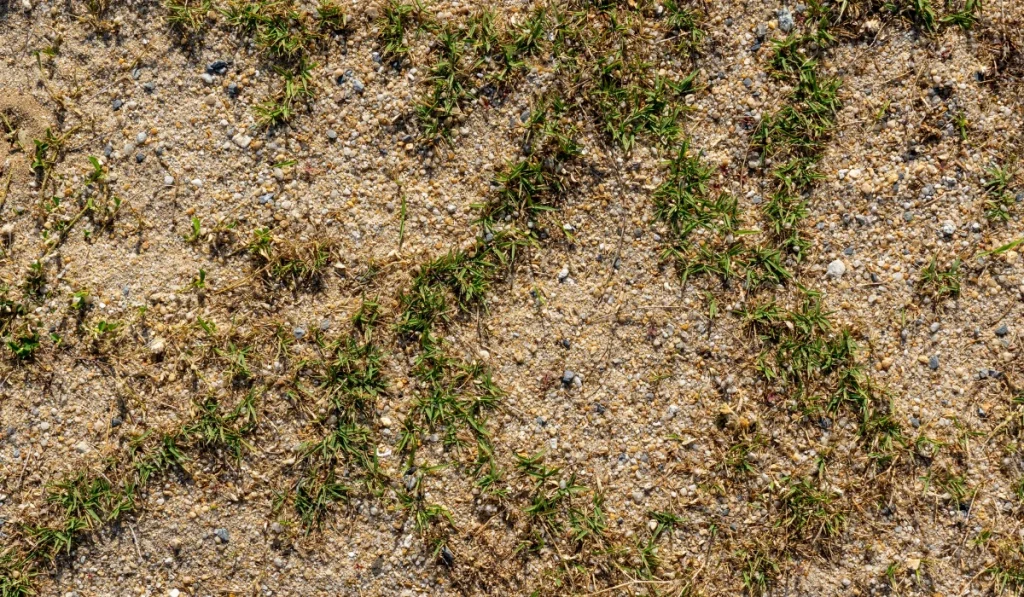
Grass seed for sandy soil faces one main challenge: moisture moves through the surface quickly. According to the USDA Natural Resources Conservation Service soil texture guidance, sand particles range from about 0.05 to 2 millimeters in diameter. Their relatively large size creates wider spaces between particles, allowing water to drain rapidly through the soil.
Fast drainage can benefit a lawn in areas where heavy soil stays wet for long periods. During germination, however, the seedbed must remain evenly moist. If the upper layer dries during a warm afternoon, some seeds may stop developing while others continue, leaving uneven coverage.
Young grass remains sensitive after germination because its roots begin close to the surface. Wind, heat, and missed watering can dry this shallow zone before the plants become established. Sandy soil can also release soluble nutrients more quickly than finer-textured soil, which makes a soil test more useful than applying extra fertilizer without guidance.
A sandy soil lawn is not destined to fail. It simply needs a grass variety suited to the climate, a more consistent root zone, and an irrigation plan that matches the soil’s drainage rate.
Best Grass Seed for Sandy Soil in California
The best grass seed for sandy soil must fit the conditions above the ground as well as those below it. California includes cool coastal communities, hot inland valleys, dry desert regions, and mountain climates. A grass that performs well in one area may struggle with the temperature, shade, or seasonal conditions in another.
The University of California Integrated Pest Management turfgrass resources offer California-specific guidance on turf selection, mowing, irrigation, and lawn maintenance. Use that regional information alongside your yard’s sun exposure and intended use before choosing a seed.
Bermudagrass for Warm, Sunny Lawns
Bermudagrass is often a good match for warm California locations with full sun. Its spreading growth habit helps it fill small damaged areas and recover from regular use, making it suitable for active family yards, commercial landscapes, and recreational spaces.
Heat and sunlight are central to its performance. A bermudagrass lawn in a sunny inland yard may grow densely, while the same grass may thin beneath mature trees or beside a shaded building. Before choosing Bermuda grass seed for sandy soil, observe the property throughout the day and note how long the planting area receives direct sunlight.
Bermudagrass is a warm-season turf, so it may lose color during cooler months. Homeowners who prefer year-round green color may need to weigh that seasonal dormancy against its warm-weather performance and recovery.
Tall Fescue for Cooler or Partly Shaded Properties
Tall fescue can suit cooler regions, coastal areas, and properties with some shade. It often appeals to homeowners who value green winter color and a more upright lawn texture. It may also fit yards where surrounding trees or structures reduce direct sunlight.
Sandy soil still affects tall fescue establishment. The seedbed must remain moist while the grass germinates, and the developing lawn needs even irrigation until its roots extend deeper into the soil. In a hot inland area, tall fescue may require a different watering approach than it would in a cooler coastal community.
Tall fescue is not automatically the best choice for every shaded lawn. Temperature, irrigation access, traffic, and summer exposure all matter. The strongest selection accounts for the full site rather than relying on soil texture alone.
When a Locally Selected Seed Blend Makes Sense
Some California yards contain several growing conditions within a small area. A backyard may receive full sun near a patio but several hours of shade beside a fence or under a tree canopy. A regionally appropriate seed blend may handle that variation better than one grass type.
Read the label before buying a product described as a sandy soil mix. The listed species and cultivars should match your climate and intended lawn use. Seed quality cannot compensate for a grass that does not suit the local temperature range, sunlight, or irrigation conditions.
Grass Seed for Sandy Soil Versus Sod
Growing grass in sandy soil from seed usually has a lower initial cost, but it requires patience and close moisture control. You need to prepare the soil, spread the seed evenly, create good seed-to-soil contact, and prevent the surface from drying during germination. The area must also stay free from regular foot traffic while the young lawn develops.
Sod changes the early process because it arrives as mature turf with an existing layer of roots and soil. It gives you immediate green coverage and removes the uncertainty of germination. That can be useful on highly visible front yards, commercial properties, slopes, or areas where irrigation might move loose seed.
Sod for sandy soil still depends on good preparation. The rolls need direct contact with the soil below, and the grade must be smooth enough to prevent air pockets, uneven rooting, and low spots.
| Decision Factor | Grass Seed | Sod |
|---|---|---|
| Initial appearance | Coverage develops gradually | Immediate lawn surface |
| Establishment challenge | Requires successful germination | Begins with mature turf |
| Soil preparation | Required | Required |
| Early watering | Keeps the seedbed evenly moist | Keeps sod and underlying soil moist |
| Foot traffic | Restricted while seedlings mature | Restricted until roots establish |
| Initial cost | Generally lower | Generally higher |
The better choice depends on your budget, timeline, and ability to monitor the lawn. Seed may work well when you can maintain the seedbed carefully and wait for full coverage. Sod may offer better value when faster results or more predictable establishment matter most.
How to Prepare Sandy Soil for Seed or Sod
Proper preparation gives grass seed and sod a consistent place to develop roots. Start with a soil test that evaluates pH, organic matter, and nutrient conditions. This prevents guesswork and helps you avoid applying materials your soil may not need.
Remove rocks, dead roots, construction debris, and other material that can interfere with grading. Loosen compacted sections so roots can move into the soil, then smooth the surface to reduce low spots and uneven drainage. The finished grade should direct water away from buildings without creating channels that wash seed or soil from the lawn.
Improve the Root Zone With Organic Matter
Organic matter can help sandy soil retain moisture and nutrients. Compost or another suitable amendment should be worked into the prepared root zone rather than spread in a thin layer over untouched sand. Mixing the material creates a more consistent growing area and reduces abrupt changes between soil layers.
The amount and type of amendment should reflect the soil test and site conditions. Adding too much material can leave the surface soft, uneven, or difficult to grade. The goal is a stable root zone that holds enough moisture for establishment while continuing to drain.
Check Irrigation Coverage Before Planting
Run the irrigation system before spreading seed or laying sod. Look for dry corners, blocked sprinkler patterns, overspray, runoff, and areas receiving much more water than the rest of the lawn. Fixing these problems before installation is easier than correcting thin or stressed turf later.
California watering needs vary by climate region. The Water Use Classification of Landscape Species organizes landscape water needs according to regional conditions, which helps explain why one watering schedule cannot serve every California lawn.
Sandy soil often responds better to watering cycles that moisten the active root zone without sending large amounts of water below it. During establishment, the goal is even moisture rather than a rigid statewide schedule. Adjust the timing for temperature, sun exposure, grass type, wind, and the stage of root development.
The Sod That Skips the Slowest Part of Establishment
Sod for sandy soil skips germination, which is often the most demanding stage of starting a lawn in fast-draining ground. It also covers exposed soil immediately, reducing the chance that watering, wind, or foot traffic will disturb the planting area.
For warm, sunny California properties, bermudagrass sod can provide quick coverage and strong recovery from use. TifTuf Bermuda is a fine-textured option suited to heat, drought conditions, and regular traffic. It can work well for residential lawns, commercial landscapes, and active outdoor areas with ample sunlight.
TifTuf is not the right choice for every yard. Properties with substantial shade, cooler conditions, or a strong preference for winter color may be better suited to tall fescue sod. Matching the turf to the property is more valuable than choosing a variety based on one feature.
New sod still needs an establishment period. Keep the sod and the soil beneath it evenly moist, limit traffic, and allow the roots to grow into the prepared ground. Laying mature turf over dry, compacted, or uneven soil can replace a germination problem with weak rooting and uneven growth.
Choosing the Right Grass Seed or Sod for Your California Yard
Grass seed for sandy soil can succeed when the variety fits your region, the root zone is properly prepared, and the surface remains evenly moist through germination. It offers a lower initial cost but requires more patience and attention during the early stages.
Sod provides immediate coverage and removes the uncertainty of seed germination. It may be the stronger option for visible areas, active properties, or homeowners who want a faster path to a finished lawn. The final decision should account for sunlight, climate, irrigation, traffic, seasonal appearance, and budget.
To compare turf options for your property, review the available choices from SodLawn. For help selecting grass or arranging delivery, contact the SodLawn team with details about your location, sunlight, and lawn goals.