If your green grass starts turning brown or lifts like loose carpet, lawn grubs may be the cause. These underground pests feed on grass roots, weakening the system grass needs to stay healthy. This damage causes dead patches, wilted grass, and uneven color that watering cannot repair.
In California, late summer heat often lasts into early fall, keeping grubs active longer. Identifying grub damage early and using the appropriate control method can prevent costly repairs and protect your lawn before damage spreads.
This guide explains what white grubs are, how they develop, and how to choose the proper treatment to protect your lawn year-round.
Key Takeaways
- White grubs are the larvae of beetles such as Japanese beetles, June beetles, oriental beetles, and chafers.
- Signs of grub damage include wilting grass, dead patches, and turf that lifts easily from the soil.
- The most effective grub control treatments are applied in late summer or early fall when grubs feed near the surface.
- Regular lawn care and preventive measures, such as parasitic nematodes, help maintain a healthy lawn and prevent grubs from returning.
What’s Happening Beneath Your Lawn
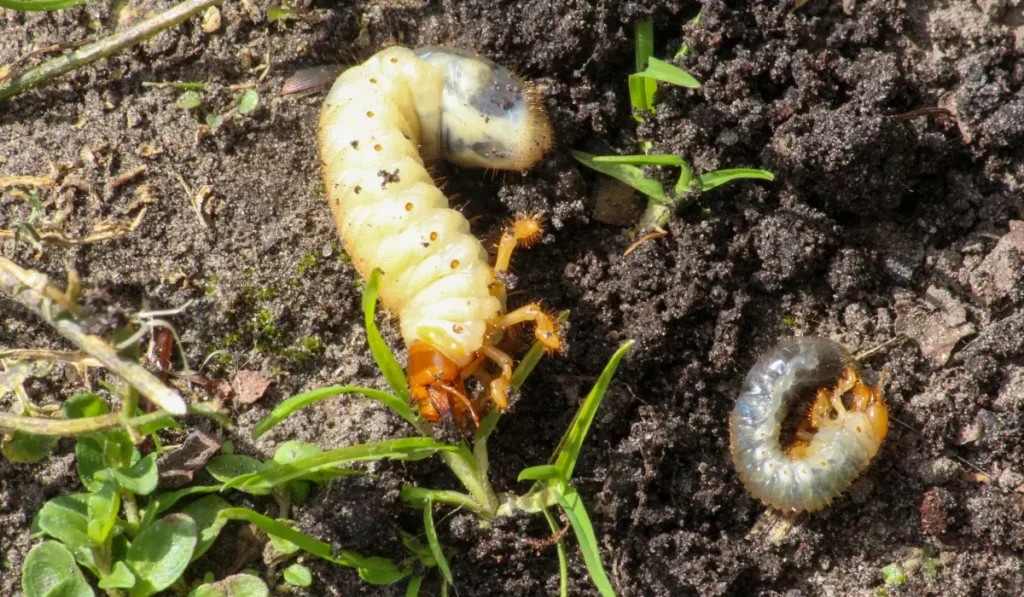
The small, white, C-shaped insects found in soil are white grubs. These pests are beetle larvae that hatch from eggs laid in early summer. After the eggs hatch, the larvae feed on grass roots and damage the system that holds turf in place.
As grubs feed, the grass above them turns yellow or brown. In severe cases, large sections of grass lift away from the soil because grubs destroy the roots. In California’s warm and dry conditions, this damage can appear quickly and worsen through late summer and early fall.
We can help you determine whether your yard needs treatment or can recover naturally through soil restoration and reseeding. We also offer sod delivery and professional installation for fast, reliable lawn restoration.
How to Recognize Grub Damage
Not every brown patch means you have grubs, but certain signs point to a grub problem.
- Dead patches that stay brown even after proper watering
- Wilting or spongy turf that feels soft when you walk on it
- Holes in the soil caused by raccoons or skunks digging for grubs at night
To check for grubs, lift a one-square-foot section of turf. If you find five or more grubs in that area, your lawn likely has an active infestation. Grubs are usually white, soft, and curled into a C shape with small brown heads.
If you catch the problem early, targeted control methods can stop grub activity. For severe damage, new sod may help restore even grass coverage and healthy roots.
The Life Cycle of Lawn Grubs
Knowing the grub life cycle helps you apply treatments at the right time. Grubs grow through four stages: egg, larva, pupa, and adult beetle.
In late spring, adult beetles lay eggs in healthy lawns. Common species include Japanese beetles, June beetles, oriental beetles, and chafers. After the eggs hatch, the larvae feed heavily on grass roots underground. By late summer, feeding peaks, causing visible lawn damage.
As temperatures cool in early fall, grubs move deeper into the soil to survive winter. They return to the surface in spring to feed before becoming adult beetles. In many parts of California, mild winters keep grubs active longer, making year-round lawn care and regular checks more effective.
Choosing a Grub Control Strategy
The best grub control method depends on timing and the level of infestation. Knowing when to apply grub control helps the treatment reach pests when they are most vulnerable.
Preventive treatments use products like chlorantraniliprole or imidacloprid to protect lawns before eggs hatch in early summer. These treatments stop larvae from growing and feeding on grass roots.
Curative treatments use products like trichlorfon or carbaryl to kill grubs already in the soil. These treatments are most effective when grubs are small and near the surface in late summer or early fall.
If you prefer natural options, parasitic nematodes and milky spore offer biological control methods for homeowners looking into how to get rid of grubs naturally. Parasitic nematodes attack many grub species that live and feed in soil.
According to the University of California Integrated Pest Management (UC IPM) program, nematodes control insects that feed in moist areas such as turf or soil, including the larvae of weevils, cutworms, and grubs. Milky spore, on the other hand, targets Japanese beetle grubs specifically. Both options reduce reliance on chemical insecticides and pesticides while supporting long-term soil health.
Our team can help you select the right product and apply it correctly to protect your lawn without harming beneficial insects.
Preventing Future Grub Infestations
Consistent lawn care keeps grass strong and reduces the attractiveness to beetles laying eggs. Follow these steps to lower the chance of another grub problem.
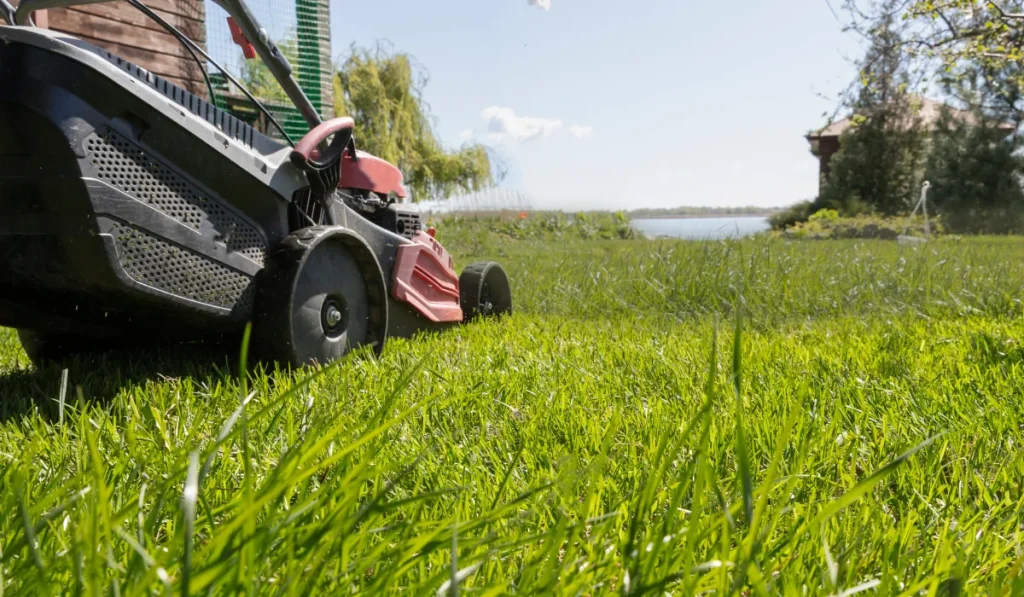
Mow regularly and keep the grass between two and three inches tall. Water deeply once or twice a week to build strong roots and prevent shallow growth. Fertilize based on a soil test to grow thick grass and strong roots. Aerate compacted soil to help air and water reach the grass roots.
Avoid overwatering because it attracts beetles and encourages them to lay eggs. A strong lawn can handle small amounts of feeding without showing damage.
If grubs caused heavy damage, installing new sod can help restore even grass coverage. These sod varieties perform well in California conditions and are more stress-tolerant than weak turf. Homeowners who manage watering and mowing schedules often see greener lawns and fewer pest problems.
The Role of Local Wildlife
Sometimes, animal activity in your yard provides the first sign of grubs. Raccoons and skunks often live in California neighborhoods and feed on grubs near the soil surface.
These animals reduce grub numbers but also tear up grass and soil. Ongoing digging often means a large grub infestation. Even though these animals eat grubs, they rarely remove them completely.
Combining grub control with regular lawn care helps protect grass and reduce animal damage. We can inspect your lawn to determine whether grubs are causing the digging and suggest ways to restore a smooth lawn.
When to Call a Professional
If store-bought treatments or home remedies fail, professional help may be more effective. Continued wilting, large dead patches, or ongoing digging may indicate that grubs remain active deeper in the soil.
Professionals can apply treatments, release nematodes, or install new sod based on your yard’s needs. In some cases, drought-tolerant turfgrass helps keep lawns healthy in future seasons.
Making the Right Choice for Your California Lawn
Lawn damage caused by grubs can lead to long-term problems if left untreated. Taking action at the right time helps protect your investment and keeps your yard looking consistent and healthy through changing seasons.
At SodLawn, we provide sod and lawn-recovery support tailored to California conditions, helping property owners restore damaged areas and improve overall lawn health.
Contact us today to help restore your lawn and plan next steps for lasting results.
FAQs
How do I know if I have grubs in my California lawn?
Lift a small section of turf and look for white larvae curled into a C shape beneath the soil. Finding more than five grubs per square foot indicates a grub infestation. You may also see raccoons or skunks digging at night for an easy meal.
When is the best time to treat grubs in California?
The best time is late summer through early fall when grubs feed near the surface. Treatments during early summer can also prevent adult beetles from laying eggs.
Can I control grubs naturally?
Yes. Parasitic nematodes and milky spore are effective biological methods for controlling grub populations. Maintaining strong turfgrass through proper mowing, watering, and fertilizing will also help prevent future infestations.