Clean lawn edges can make a San Francisco yard look more finished without requiring a major landscape project. The border between grass and a sidewalk, driveway, patio, or planting bed often draws attention because it reveals uneven growth, weeds, irrigation overspray, and mowing damage faster than the center of the lawn.
If you want to know how to edge lawn cleanly, focus on consistency rather than cutting the grass as low as possible. Define the border, trim carefully, remove loose debris, check for weeds, and protect the turf from repeated scalping. A clean edge should look crisp without exposing bare soil or sending clippings and runoff toward sidewalks and storm drains.
Key Takeaways
- Use the existing border as your guide instead of widening the edge every time you trim.
- Avoid cutting the grass down to bare soil.
- Edge when the lawn is dry enough to work cleanly.
- Remove weeds from cracks and turf edges before they spread.
- Sweep clippings and soil from sidewalks rather than washing them into the street.
- Check sprinkler heads near lawn borders for overspray and leaks.
- Protect tree trunks, irrigation components, and landscape features from string-trimmer damage.
- Repair bare or repeatedly scalped edges before the damaged strip expands.
Why Lawn Edges Become Uneven
The perimeter of a lawn receives more wear than the center.
Mower wheels may follow the same path every week. String trimmers may cut the grass too closely. Foot traffic can compact soil near gates and sidewalks. Sprinkler heads may leave one section dry while sending water onto pavement.
Over time, these small issues can create:
- Ragged borders
- Bare soil
- Brown strips
- Weeds in sidewalk cracks
- Thin turf near patios
- Uneven growth
- Clipping piles
- Runoff onto hardscape
A clean lawn edge depends on mowing, irrigation, weed control, and careful trimming working together.
Decide What Kind of Edge You Need
Different borders need different maintenance.
Sidewalk and Driveway Edges
Concrete borders usually benefit from a defined vertical cut between the pavement and the turf. This creates a visible line and reduces the amount of grass creeping over the edge.
Patio Borders
Patio edges often need lighter touch-ups because repeated trimming can leave a dry or scalped strip close to the hardscape.
Planting-Bed Edges
Lawn edges beside planting beds may need a curved or straight border depending on the landscape design. The goal is to keep grass from spreading into the bed while protecting shrubs, flowers, and irrigation lines.
Tree Bases
Grass near tree trunks needs extra care. Do not run a string trimmer directly against bark. Repeated contact can injure the tree.
The UC IPM guide to weed management in landscapes recommends placing a temporary shield around tree trunks when using string or blade trimmers nearby.
Use the Existing Border as a Guide
A clean edge does not require cutting deeper or wider each week.
Follow the existing border between the lawn and the hardscape. If the edge has become overgrown, restore the line gradually.
Use this process:
- Walk the perimeter before starting.
- Identify the original sidewalk, driveway, patio, or bed border.
- Remove loose debris and visible obstacles.
- Trim or edge along the established line.
- Sweep the finished area.
- Inspect the turf for exposed soil or brown strips.
If the edge widens after every maintenance session, the turf may begin shrinking away from the pavement.
Choose the Right Tool for the Job
Different tools create different results.
Dedicated Lawn Edger
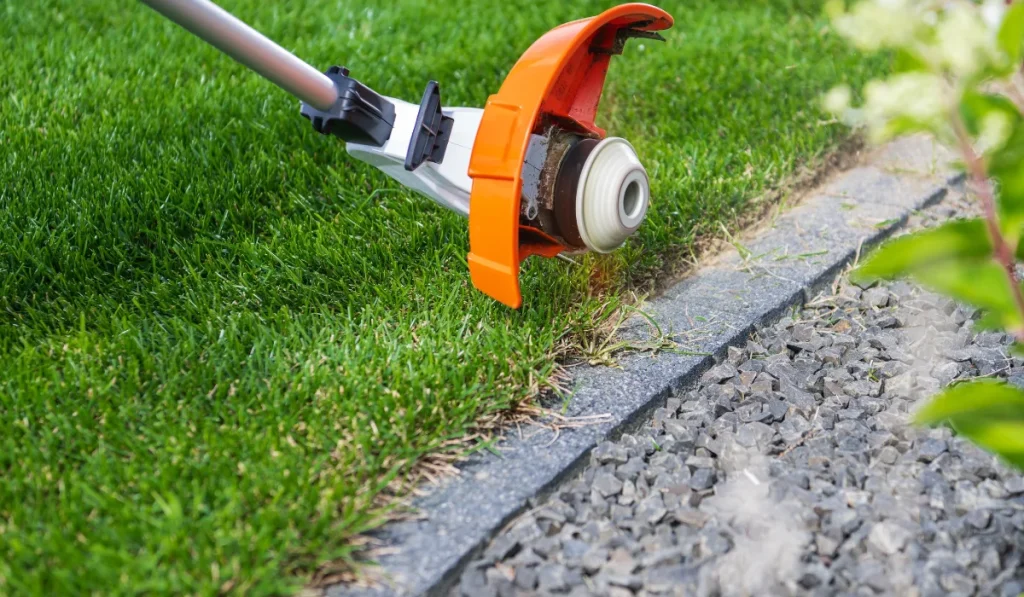
A lawn edger creates a more defined border beside sidewalks, driveways, and patios. It can be useful when grass has grown over the pavement or when the line has become uneven.
String Trimmer
A string trimmer works well for touch-ups and areas a mower cannot reach. It requires more control because it can cut too deeply or damage nearby plants.
Hand Edger
A hand edger can help with smaller yards, curved planting beds, and sections where power tools would be difficult to control.
Follow the tool manufacturer’s instructions. Wear appropriate protective equipment and keep children and pets away from the work area.
Avoid Scalping the Edge
Scalping happens when grass is cut too low or trimmed down into the stems and soil.
The UC IPM lawn-disease prevention guide explains that removing too much of the grass blade can weaken turf and make it harder for the lawn to recover from stress. Repeated scalping can kill or greatly reduce turf vigor.
Look for these warning signs after edging:
- Brown strips
- Exposed soil
- Visible stems
- A scraped appearance
- Thin grass
- Dry patches
- A widening gap between turf and pavement
If the edge looks lower than the rest of the lawn, raise the trimmer angle or reduce how aggressively you cut.
Keep the Mower Height Consistent
Edging cannot compensate for a poor mowing routine.
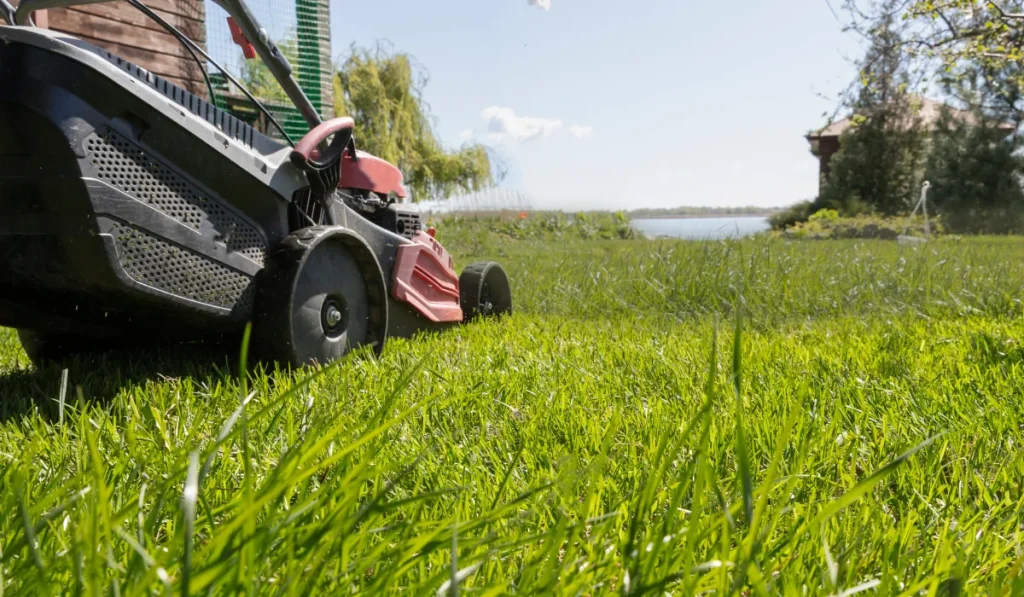
Maintain the recommended height for the turf variety and avoid removing more than one-third of the grass blade during a single mowing session.
A lawn cut too low may develop thin borders and weed problems. A lawn allowed to grow too tall may leave heavy clippings and require aggressive trimming later.
The UC IPM grasscycling guide explains that regular mowing at the proper height makes it easier to leave short clippings on the lawn.
Use edging as the finishing step, not as a substitute for mowing correctly.
Edge After Mowing
Mowing first makes the final border easier to see.
After mowing:
- Walk the perimeter.
- Check where mower wheels missed the edge.
- Trim only the remaining growth.
- Use lighter passes near corners and narrow strips.
- Sweep hard surfaces.
- Review the finished line from several angles.
This approach reduces unnecessary trimming and helps prevent overcutting.
Work When the Grass Is Dry
Dry turf is easier to trim cleanly.
Wet grass can clump, stick to equipment, and make the edge look uneven. Soft soil can also become compacted when you walk or roll equipment across it repeatedly.
Wait until:
- Morning dew has dried
- Irrigation moisture has left the blades
- Rain has passed
- The soil feels stable
- Clippings will not form wet piles
A dry lawn produces a cleaner result and makes cleanup easier.
Keep Blades and Trimmer Line in Good Condition
Dull equipment creates ragged results.
A mower blade that tears the grass can leave brown tips across the lawn. Worn trimmer line can also make edge work less consistent and encourage repeated passes.
Inspect the lawn after maintenance.
If the border looks frayed or shredded, check:
- Mower-blade sharpness
- Trimmer-line condition
- Cutting height
- Trimmer angle
- Walking speed
- Whether the grass was wet
Clean, well-maintained equipment reduces unnecessary damage.
Remove Weeds From Sidewalk Cracks
Weeds in pavement cracks can make a clean lawn edge look unfinished.
The UC IPM weed FAQ recommends hand-weeding as a safe and effective option for weeds between brickwork and similar hardscape areas. A weed knife or screwdriver can help remove roots.
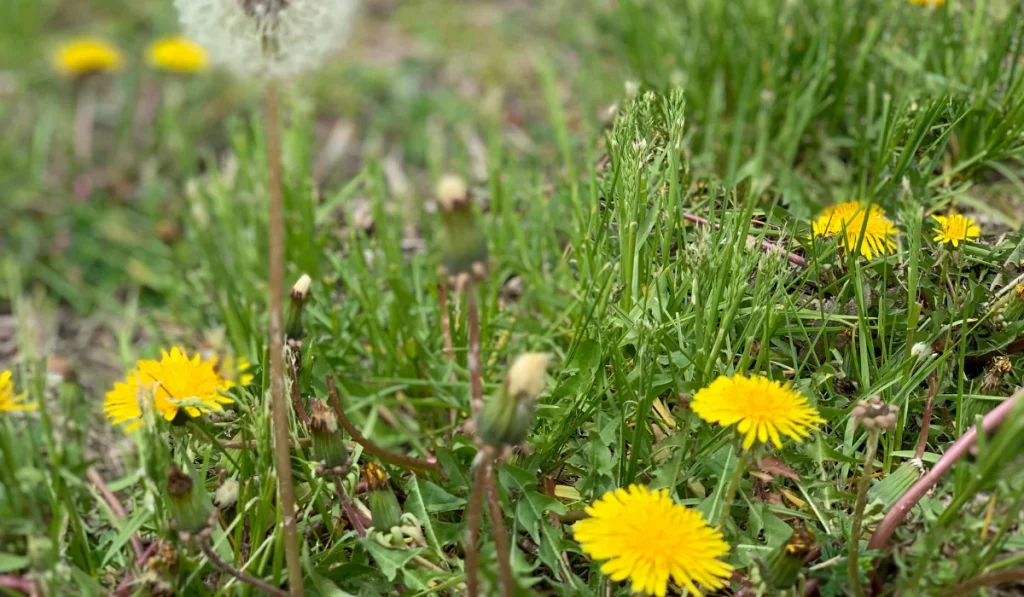
Pull weeds early before they mature and produce seeds.
Avoid assuming that trimming alone will solve the problem. Cutting the top growth may make weeds less noticeable, but roots can remain in the crack.
Manage Weeds Along the Turf Edge
Thin lawn borders leave room for weeds.
The UC IPM guide to weeds in lawns explains that improper mowing, watering, and fertilization can weaken turf and make weed invasion more likely.
Inspect edges regularly, especially near:
- Sidewalks
- Driveways
- Gates
- Planting beds
- Fence lines
- Irrigation heads
- Slopes
- Areas with heavy foot traffic
Pull small weeds before they spread.
For recurring weeds, correct the underlying turf problem. A dry, compacted, or scalped edge will continue attracting weeds even after the visible growth is removed.
Do Not Rely on Trimming Alone for Perennial Weeds
Some weeds return after repeated trimming.
UC IPM notes that string and blade trimmers can control the top growth of older weeds, but most perennial weeds are not eliminated by trimming alone.
If the same weed keeps returning:
- Identify the plant.
- Remove the root system when practical.
- Check the soil condition.
- Repair thin turf.
- Reduce repeated disturbance along the edge.
- Use mulch in planting beds when appropriate.
A cleaner border comes from preventing regrowth, not only hiding it temporarily.
Clean Equipment After Working in Weedy Areas
Weed seeds can move from one part of the yard to another on equipment.
UC IPM recommends cleaning mowers, trimmers, shovels, and hoes after working in areas with weeds.
Use a simple routine:
- Remove visible plant material.
- Brush or blow loose debris away from the equipment.
- Clean the underside of the mower safely.
- Follow the manufacturer’s maintenance instructions.
- Store tools in a dry location.
Do not wash debris toward storm drains.
Protect Tree Trunks
Tree bark can be damaged by repeated string-trimmer contact.
Keep grass and weeds from growing tightly against the trunk when possible. Use mulch carefully around the base without piling it against the bark.
When trimming nearby:
- Use a slower pace.
- Keep the line away from the trunk.
- Add a temporary shield when needed.
- Avoid striking exposed roots.
- Check for bark damage afterward.
Tree protection matters because an attractive lawn edge should not come at the expense of landscape health.
Check Sprinkler Heads Near Lawn Borders
Sprinkler problems often show up first along the perimeter.
A head may spray onto the sidewalk. Another may miss the turf edge completely. A low head may become blocked by grass.
Run each irrigation zone and inspect:
- Overspray
- Leaks
- Dry corners
- Water pooling
- Heads blocked by soil
- Misting
- Runoff
- Water reaching the curb
The SFPUC water-waste guidance requires irrigation to avoid runoff onto sidewalks, hardscapes, and storm drains.
Adjust the sprinkler pattern before increasing the runtime.
Use Shorter Irrigation Cycles on Slopes
Some San Francisco properties include sloped lawn sections.
A long watering cycle can send water downhill before the soil absorbs it.
SFPUC recommends using multiple shorter start times on steeply sloped areas to avoid runoff.
For example:
- Run the sprinkler zone briefly.
- Stop when runoff begins.
- Allow the water to soak into the soil.
- Run another short cycle later.
- Stop before water reaches pavement.
This approach can protect lawn edges and reduce water waste.
Sweep, Do Not Hose, the Sidewalk
Clippings, soil, and fertilizer granules should stay out of storm drains.
The SFPUC stormwater-pollution prevention page advises residents not to dump materials into storm drains.
After edging:
- Sweep loose grass
- Collect soil
- Remove weeds
- Clear fertilizer granules
- Pick up debris
- Empty collected material appropriately
Avoid using a hose to push clippings toward the gutter.
Use Mulch in Planting Beds
Planting beds need a different border strategy than turf.
A defined edge and an appropriate mulch layer can help keep weeds under control and reduce the amount of trimming required.
The UC IPM landscape weed-management guide notes that mulch, hand-weeding, and proper irrigation are often enough for home landscapes.
Keep mulch inside the planting bed and away from the sidewalk.
Do not pile mulch against tree trunks or plant crowns.
Repair Bare Lawn Edges
A clean border should not reveal a long strip of bare soil.
If the edge has become thin or brown, identify the cause before patching it.
Common causes include:
- Repeated scalping
- Dry sprinkler coverage
- Overspray onto pavement
- Compaction
- Heavy foot traffic
- Pet activity
- Raised concrete
- Low spots
- Poor soil contact
- Weed pressure
Small areas may recover after mowing and irrigation improve. Larger bare sections may need fresh sod.
Patch Damaged Sections Carefully
For a larger damaged strip:
- Remove dead grass and debris.
- Check irrigation coverage.
- Loosen compacted soil.
- Correct the grade when needed.
- Add clean soil for minor leveling.
- Match the replacement sod to the existing turf.
- Press the sod into firm soil contact.
- Water according to the establishment plan.
- Limit foot traffic.
- Wait for rooting before mowing.
Do not install fresh sod over an unresolved irrigation or scalping problem.
Protect New Sod Edges
New sod edges can dry out faster than the center of the lawn.
Watch sidewalk borders, corners, and seams closely during establishment.
Check for:
- Dry edges
- Open seams
- Runoff
- Overspray
- Soil exposed between pieces
- Footprints
- Shifted turf
- Early trimming damage
Wait until the sod has rooted before edging aggressively.
During the first mowing sessions, use a sharp blade and remove no more than one-third of the grass blade.
Handle Narrow Lawn Strips Carefully
Narrow strips beside sidewalks or driveways can be difficult to mow and irrigate evenly.
Use lighter trimming passes and avoid turning the strip into a bare border.
A narrow section may need a different landscape solution when:
- Overspray continues
- Runoff reaches the sidewalk
- The turf repeatedly dries out
- The area receives constant foot traffic
- Mower access is difficult
- The strip serves little practical purpose
A different planting or permeable-surface option may reduce repeated maintenance.
Build a Simple Edging Routine
Use this routine for ongoing maintenance:
- Mow the lawn first.
- Wait until the grass is dry.
- Walk the perimeter.
- Restore the existing border.
- Trim lightly near sidewalks and patios.
- Protect trees and irrigation components.
- Pull weeds from cracks.
- Sweep hard surfaces.
- Check sprinkler coverage.
- Repair bare areas before they spread.
The routine should leave the lawn looking defined without creating a wider damaged strip after every session.
Avoid Common Lawn-Edging Mistakes
Avoid these shortcuts:
- Cutting down to bare soil
- Widening the border every week
- Trimming before mowing
- Working on wet turf
- Using dull equipment
- Striking tree trunks
- Ignoring weeds in cracks
- Washing debris into gutters
- Increasing irrigation without checking overspray
- Installing sod over a damaged edge without fixing the cause
- Edging new sod before it roots
- Treating every narrow strip as a standard lawn area
A clean edge depends on restraint.
Know When the Lawn Needs a Larger Repair
Some borders need more than another trimming session.
A broader lawn repair may make sense when:
- Bare soil keeps expanding
- Grass no longer fills the edge
- Sidewalk borders remain scalped
- Irrigation coverage cannot be corrected easily
- Raised concrete damages the turf
- Compaction remains severe
- Weeds fill the damaged strip
- The turf variety does not suit the site
- Several patch repairs have failed
Correct the cause before replacing the grass.
Fresh sod can develop the same problem when trimming, irrigation, and traffic patterns remain unchanged.
Refresh Your San Francisco Lawn With SodLawn
Learning how to edge lawn cleanly can improve the appearance of a yard without adding unnecessary stress to the turf.
If the edges have developed large bare or damaged sections, repair the irrigation, mowing, and soil issues before installing replacement grass. SodLawn offers sod delivery and professional installation in San Francisco for residential and commercial properties.
Enter your ZIP code to compare sod varieties available near your property and plan your lawn project.
Frequently Asked Questions
How Often Should I Edge My Lawn?
Edge when the border begins losing definition or grass starts growing over the hardscape. The right frequency depends on the grass type, season, growth rate, and yard layout.
Should I Edge Before or After Mowing?
Mow first, then edge. Mowing reveals which border areas still need attention and reduces unnecessary trimming.
How Do I Edge a Lawn Without Scalping It?
Follow the existing border, use controlled passes, and avoid cutting into the stems or soil. The finished edge should look defined without leaving a brown strip.
Can I Use a String Trimmer To Edge the Lawn?
Yes. A string trimmer can work for touch-ups and small borders. Use care around tree trunks, sprinkler heads, planting beds, and narrow strips.
How Do I Remove Weeds From Sidewalk Cracks?
Pull weeds by hand before they mature and produce seeds. UC IPM notes that a weed knife or screwdriver can help remove roots from brickwork and similar cracks.
Why Is the Grass Brown Along the Sidewalk?
Brown edges may result from scalping, dry sprinkler coverage, overspray, soil compaction, heat reflected from pavement, or heavy foot traffic.
Should I Hose Grass Clippings Into the Street?
No. Sweep clippings and soil from sidewalks. SFPUC advises keeping materials out of storm drains.
Can Irrigation Cause Lawn-Edge Problems?
Yes. Overspray can waste water on pavement while leaving parts of the turf dry. Run each zone and adjust sprinkler heads before increasing the runtime.
Can I Edge New Sod?
Wait until the sod has rooted. Aggressive trimming during establishment can damage dry edges, seams, and developing roots.
When Should I Replace Damaged Lawn Edges With Sod?
Replace turf after correcting the cause. Long bare strips, repeated scalping, poor irrigation coverage, compaction, and failed patch repairs may justify a larger repair.