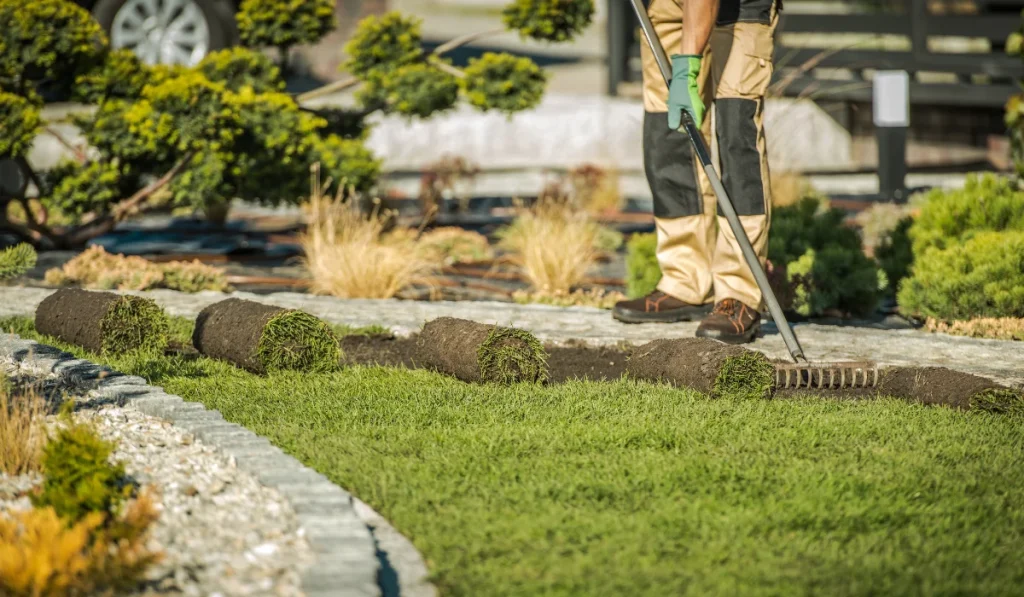
If you’ve just installed new sod in your yard, you’re likely wondering how long it will stay green and healthy. The good news is that with proper care, your sod can last many years. The exact sod lifespan in California depends on where you live, what type of grass you choose, and how well you maintain it.
From San Diego’s warm climate to Northern California’s cooler temperatures, each region has different challenges for lawn care. Sun exposure, watering habits, and soil quality all play significant roles in maintaining a strong and long-lasting lawn.
In this guide, you’ll learn how long new sod can last in California, what affects its health over time, and how to care for it to get the best results. We’ll also cover the right grass types, maintenance tips, and signs it might be time to replace old sod.
Key Takeaways
- The average sod lifespan in California is about 10-20 years with consistent watering, mowing, aeration, and fertilization. Without regular maintenance, sod may decline within just a few years.
- Fescue and Bermuda are top choices for their strength and water efficiency.
- Routine lawn care (mowing, aeration, and watering) keeps the sod healthier for longer.
- Weather, soil quality, and foot traffic have a significant impact on sod durability.
Understanding Sod Lifespan in California
Sod lifespan depends on both climate and care. Warm places like Los Angeles or the Central Valley dry out faster without steady watering. Cooler coastal and Northern areas often help sod last longer.
With proper installation and care, sod can stay healthy for 10 to 20 years.
- Fescue has deep roots and handles light drought.
- Bermuda loves heat and withstands heavy use.
Pick a grass that fits your climate. Cool-season varieties, such as fescue or ryegrass, do best in coastal or mild regions. Warm-season grasses, including Bermuda or St. Augustine, thrive in hot, inland areas.
At SodLawn, we can deliver and install sod sourced directly from local California sod farms.
Factors That Affect How Long New Sod Lasts
Your lawn’s lifespan depends on what happens after installation. Your sod requires proper watering, mowing, and fertilizing to remain healthy and strong. The way you water and fertilize your new sod during its first two weeks is crucial to your lawn’s success.
Extreme weather, such as prolonged dry spells or heatwaves, can damage sod if you don’t keep up with watering. You can repair sod damaged by summer heat in California by assessing the damage and also watering deeply and early. Cooler weather helps it recover faster. A good irrigation system that waters deeply but not too often helps your lawn last longer.
Other factors include how often you mow and aerate your lawn. Using a sharp mower and cutting to the correct height keeps the grass thick and prevents stress. Aeration helps air and water reach the roots, keeping your sod strong for years.
The Importance of Proper Lawn Care
Routine lawn care is what makes sod last. After sod installation, water often for the first few weeks to support root growth. After the sod takes hold, water it two or three times a week, depending on the weather.
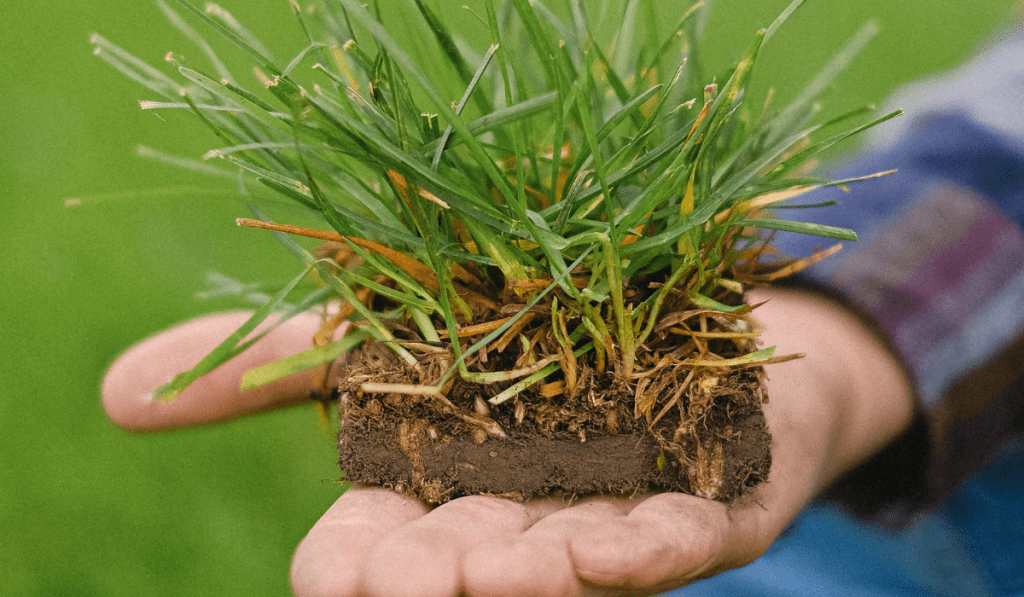
Aerate once a year to relieve soil compaction, typically in spring for warm-season grasses and fall for cool-season varieties. Aeration allows air, water, and nutrients to reach the roots, keeping the lawn healthy.
Mow on a steady schedule. Keep blades sharp. Do not cut more than one-third of the height. Most sod looks good at 2 to 3 inches. These steps keep your lawn green and dense.
Picking the Right Type of Grass for California
At SodLawn, our team is happy to help you find the best sod types in California. Choosing the best kind of grass is one of the most essential steps in determining sod lifespan.
Fescue sod is a cool-season grass that performs well in coastal regions and areas with mild summers. Fescue requires moderate watering, less than other cool-season grasses like bluegrass, but more than drought-tolerant varieties such as Bermuda. It stays green for most of the year in coastal or mild inland climates.
Bermuda grass is a warm-season grass that thrives in sunny inland areas. It’s durable, low-maintenance, and quickly recovers from heavy use.
If you live in an area with mixed weather, our team will be happy to help you select a grass type that suits your soil and climate, ensuring your lawn looks great year-round.
Mistakes That Can Shorten Your Sod’s Lifespan
Even high-quality sod can fail without proper care for new sod. Common mistakes include:
- Over-watering or under-watering
- Mowing too short
- Skipping seasonal care
Poor installation causes problems. If the soil is not level or prepped, roots struggle to grow. Hiring a pro for grading and preparation can help.
Neglecting seasonal lawn care, such as fall aeration or fertilization, can cause your grass to thin out and die prematurely. Staying consistent with basic upkeep makes all the difference in keeping your lawn green and healthy.
How Weather Conditions Impact Sod in California
California’s weather changes drastically from one region to another. Inland areas face dry, hot summers that can stress grass, while coastal regions get cooler temperatures and fog that slows growth.
Choosing the best sod variety for your California climate is crucial, as sods thrive in different conditions. The best way to achieve and keep a green lawn is to install healthy sod and allow it to establish a root system.
In Southern California, hybrid Bermuda grasses are highly water-efficient, while fescue varieties require moderate watering.
In Northern California, cool weather helps cool-season grasses stay green, but warm-season types may go dormant. During rainy months, reduce watering to avoid soggy soil and root rot.
Adjusting your care to local weather keeps your sod healthy longer.
Knowing When to Replace or Refresh Old Sod
Even the best-maintained sod eventually wears out. You might notice bare spots, thinning, or dead grass that don’t respond to watering or fertilizer. Knowing how to tell if your grass is dead or dormant can help you decide whether to replace or refresh old sod.
Sometimes, you can repair these areas by overseeding or adding fresh sod pieces. Aerating and applying new topsoil can also help restore an older lawn.
If large sections of the yard are failing, it may be time to replace the entire yard. Professional installation ensures even coverage, strong root growth, and a smooth, beautiful lawn you can enjoy for years.
Making the Right Sod Choice for Your California Lawn
A beautiful lawn starts with a wise sod choice that matches your region’s climate and lifestyle. California offers a wide range of options, from cool, coastal blends to sun-loving varieties suited for inland areas. The right fit means less stress, better color, and longer life for your turf.
At SodLawn, we connect homeowners with locally grown sod that’s suited to their specific soil and weather conditions. Our goal is to help every yard look healthy and stay that way for years.
Want expert help planning your new lawn or replacing old sod? Contact us today to get personalized advice and start your project with confidence.
FAQs
How long does new sod take to root in California?
New sod typically takes about two to three weeks to establish a root system. Avoid walking on it and keep pets off the area during this time to help the roots grow strong.
When is the best time to install sod in California?
Spring and fall are the best times because the temperatures are mild, and the soil remains moist, allowing for optimal root growth.
How often should I aerate my California lawn?
Once a year, preferably in spring or fall. Aeration helps the roots breathe and allows water and nutrients to reach them easily.