A lawn can have quality sod, the right fertilizer, and a steady mowing routine, but still thin out when the watering pattern is uneven. California homeowners and property managers see this often on lawns with mixed sun exposure, slopes, hardscape edges, or older sprinkler heads.
When one section gets too little water, grass can turn dull, weak, or patchy.
When another section gets too much, the lawn may stay soggy, grow shallow roots, or waste water through runoff. The problem is often not the total amount of water. It is how well the sprinkler system spreads that water across the lawn.
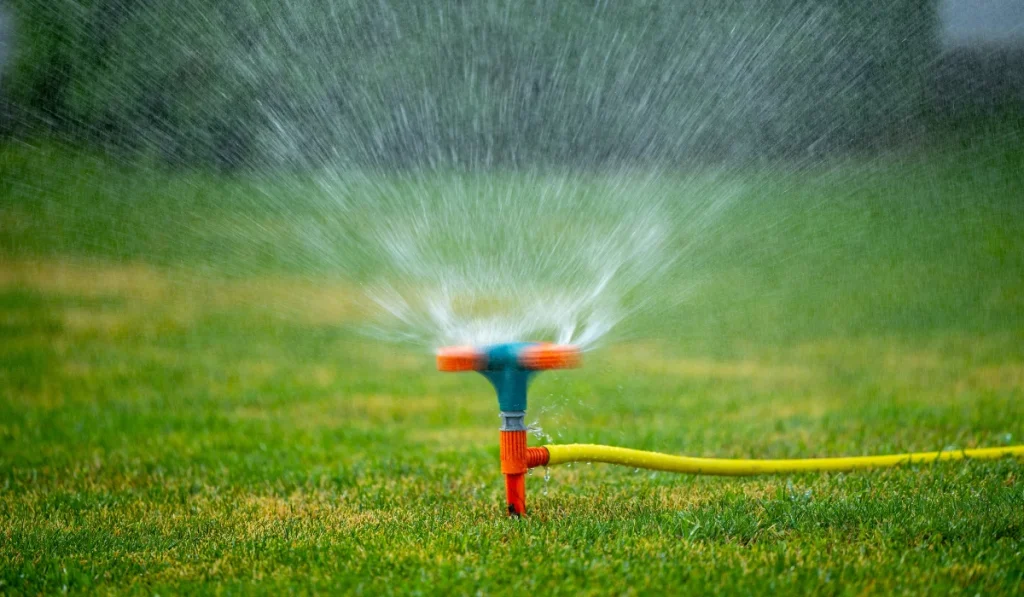
Sprinkler testing shows what the irrigation system is actually doing.
A simple catch can test can point out dry spots, poor overlap, overspray, clogged nozzles, low water pressure, and uneven water flow before those issues turn into bigger lawn care problems.
Key Takeaways
- A sprinkler coverage test shows how evenly your irrigation system applies water across the lawn.
- Catch cans help measure the actual amount of water each zone delivers.
- Dry spots, overspray, and poor overlap often point to nozzle, pressure, or alignment issues.
- A professional irrigation audit may help when coverage problems go beyond simple sprinkler adjustments.
Set Up a Simple Sprinkler Coverage Test
A good sprinkler coverage test does not need special equipment. You just need a clear, step-by-step setup so the results are easy to measure and act on.
Place Catch Cans in a Grid Pattern
Place catch cans, tuna cans, or similar straight-sided containers across the lawn in a grid pattern. Cover the full watering area, including edges, corners, high-traffic spots, and areas that already look dry or too wet.
This gives you a fair look at the whole zone, not just the healthiest patch of grass. If one part of the lawn collects much more water than another, the sprinkler system has a coverage issue, even if the run time seems reasonable.
Run Each Zone for a Set Time
Run the irrigation system one zone at a time for a fixed run time. Your normal watering schedule gives the clearest picture of what the lawn gets during a regular cycle.
Testing one zone at a time also makes the problem easier to trace. You can connect the results to specific sprinkler heads, spray heads, nozzle types, water pressure, or irrigation controller settings instead of guessing across the whole watering system.
Measure the Depth of Water in Each Container
After the zone finishes, measure the depth of water in each container.
Similar readings usually mean the spray pattern is fairly even. Big differences point to poor overlap, blocked water flow, a clogged nozzle, or a sprinkler head that is not reaching the right area.
The goal is not perfect measurement in every can. You want to know whether the lawn is getting steady coverage or whether part of the zone needs attention.
Estimate the Precipitation Rate
Average the measurements to estimate the precipitation rate for that zone. This tells you how quickly the irrigation system applies water and how long it takes to deliver about an inch of water.
That number helps you set the irrigation controller with more confidence. Without it, watering schedules often rely on habit, which can lead to overwatering, dry patches, or unnecessary water use.
Check for Dry Spots, Overlap, and Overspray
Once you have the measurements, look at the pattern. Most sprinkler coverage problems show up as dry areas, heavy overlap, overspray, or uneven spray from worn parts.
Dry Spots That Signal Poor Reach
If some catch cans collect much less water than the rest, that area may not be getting enough reach. On the lawn, this often looks like thin turf, dull color, or grass that struggles after hot afternoons or regular foot traffic.
Poor reach can come from low water pressure, a clogged nozzle, sunken sprinkler heads, or a spray pattern that falls short. In a California yard with fences, patios, sidewalks, or planting beds close to the turf, even a small alignment issue can leave a visible dry spot.
Heavy Overlap That Leads to Overwatering
Some overlap is part of good landscape irrigation. Too much overlap creates a different problem. If several cans in one area fill much faster than the rest, that section is getting more water than it needs.
Overwatering can weaken roots, leave soil too wet, and increase water waste.
For California properties where water conservation and water efficiency matter, fixing heavy overlap can improve both lawn health and monthly water use.
Overspray Onto Hard Surfaces
Overspray happens when water lands on sidewalks, driveways, walls, patios, or streets instead of the lawn. It often comes from shifted sprinkler heads, settled spray heads, or the wrong type of sprinkler for a narrow strip of grass.
Water on concrete does not help the lawn.
It also means the run time is going partly toward water waste. Adjusting the spray heads or changing the nozzle can bring the water back where it belongs.
Uneven Spray Patterns From Wear or Debris
Not every issue comes from the layout. A broken sprinkler, worn nozzle, clogged screen, or debris inside the head can distort the spray pattern enough to leave part of the lawn under-watered.
Watch the zone while it runs. A head may pop up but still spray weakly, sputter, mist, or shoot water in the wrong direction. This quick visual check can confirm what the catch cans already show.
Adjust Your Sprinkler Coverage for Better Lawn Health
After you find the weak spots, start with targeted fixes. Many sprinkler system problems improve with simple adjustments before larger repairs come into play.
Realign Sprinkler Heads
A misaligned head can send water away from the lawn, miss a corner, or spray onto hardscape. This is one of the easiest issues to correct, and the change often shows up quickly.
Realign sprinkler heads so each one covers its intended section of turf. Pay close attention to edges near walkways, driveways, curbs, and planting beds, since these spots commonly show dry grass or overspray.
Clean or Replace Nozzles
A clogged nozzle can reduce water flow and leave part of the zone dry. A worn or mismatched nozzle can create uneven output, even when the rest of the system looks fine.
Cleaning may solve the problem if dirt or debris is blocking the spray.
If the part is worn, damaged, or different from the other nozzles in the zone, replacement is usually the better fix. A new sprinkler or nozzle should match the zone’s existing output so it does not create another imbalance.
Match Run Time to the Zone’s Output
Different zones apply water at different speeds. A lawn area with spray heads may not need the same run time as another section with a different type of sprinkler or layout.
Use the precipitation rate from your DIY test to adjust the irrigation controller. This helps the lawn receive the right amount of water instead of relying on one schedule for the entire watering system.
Address Pressure and Water Supply Issues
If every catch can in a zone is low, or if several spray heads look weak at once, the problem may be bigger than one nozzle. Low water pressure, pressure swings, or water supply limits can affect the entire zone.
This is a good time to consider a deeper irrigation audit.
A professional can check whether the issue comes from pressure, valves, pipe layout, broken sprinklers, or controller settings instead of making small fixes that do not solve the main problem.
Know When to Get Professional Irrigation Help in California
A basic sprinkler coverage test can help you catch obvious problems. For many homeowners, that is enough to spot a clogged nozzle, adjust a head, or change the run time. If the same dry spots keep coming back, the system needs a closer look.
Professional irrigation help makes sense for larger lawns, older sprinkler systems, commercial properties, and landscape irrigation systems with multiple zones. It also helps when you see runoff, uneven lawn color, weak water flow, overspray, or signs that the water supply is not keeping up.
Good sprinkler coverage supports everything else you do for the lawn.
Sod, grass seed, fertilizer, mowing, and regular lawn care all work better when the irrigation system applies water evenly. SodLawn supplies California homeowners, businesses, and property managers with lawn care tools for local turf projects.
If your lawn keeps showing dry spots, runoff, or uneven color after you adjust the schedule, contact SodLawn for lawn care products and support that help California turf perform better.
FAQs
How do I test sprinkler coverage on my lawn?
Place catch cans in a grid pattern across the lawn, run one sprinkler system zone for a set time, and compare the depth of water in each container. This shows whether the irrigation system is applying water evenly or leaving certain areas too dry or too wet.
What does uneven sprinkler coverage look like?
Uneven sprinkler coverage often shows up as dry spots, soggy patches, overspray on hard surfaces, or different shades of green across the same zone. You may also notice weak spray heads, misting, runoff, or one section of grass declining faster than the rest.
How much water should a lawn get each week?
Many lawns need about an inch of water per week, but the right amount of water depends on grass type, weather, soil, sun exposure, and irrigation system performance. A catch can test helps you see how long your system takes to apply that amount.