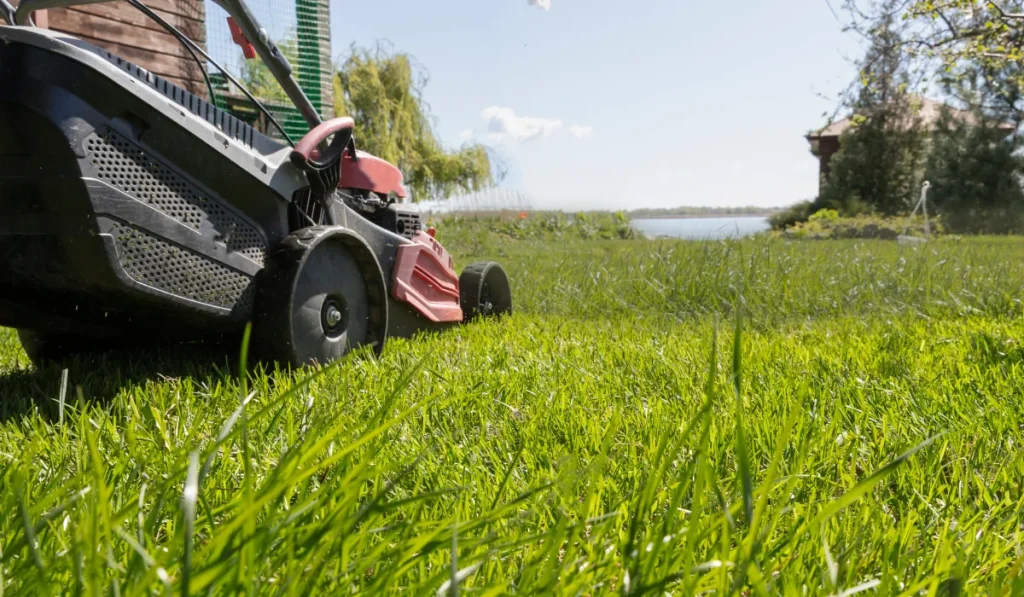
Why does grass smell when cut? The familiar scent begins when a mower slices through the blades and damages plant cells. That damage starts a rapid series of reactions that produces airborne compounds called green leaf volatiles. Together, they create the crisp, leafy aroma associated with a freshly mowed lawn.
The smell of freshly cut grass is not released for your enjoyment. It is part of the plant’s response to injury. Your reaction to it, however, is personal. The scent may remind you of childhood summers, neighborhood parks, school fields, weekend yardwork, or time spent outdoors with family.
For many California homeowners, freshly mowed grass is tied to warm mornings, backyard gatherings, and well-used outdoor spaces. Understanding what causes the fresh cut grass smell connects an everyday lawn-care task with plant biology, scent, and memory.
Why Does Grass Smell When Cut?
Grass smells when cut because mowing breaks open plant cells. Enzymes then come into contact with fatty acids from cell membranes, setting off reactions that form small compounds capable of entering the air.
These compounds are called volatile because they evaporate and move through the air easily. Once released, they spread beyond the cut blades, allowing you to smell a lawn from several feet away. Since a mower damages thousands of blades in a short period, the combined release can create a strong, immediate aroma.
The process is somewhat similar to breaking an orange peel and releasing its scent. Grass relies on a different set of compounds, but both examples show how damaged plant tissue can produce an aroma that was far less noticeable before the surface was broken.
Katsuyuki Matsui’s review of the green leaf volatile production pathway explains how damaged plant tissue converts membrane fatty acids into several types of six-carbon compounds. This pathway helps account for the speed and intensity of the grass odor after mowing.
The Scent Forms After the Grass Is Damaged
It is easy to picture each blade holding a ready-made fragrance that simply escapes when cut. The process is more active. Some of the compounds associated with freshly mowed grass form or change rapidly after the mower damages the tissue.
That distinction helps explain why the smell is strongest soon after mowing. The aroma comes from a brief period of intense biological activity, not from a permanent fragrance stored inside the lawn.
Green Leaf Volatiles Create the Fresh-Cut Grass Smell
Green leaf volatiles are a family of plant compounds that contribute to the smell released when leaves and stems are damaged. They include aldehydes, alcohols, and esters, with each group adding a different quality to the overall scent.
One of the best-known contributors is cis-3-hexenal, also written as (Z)-3-hexenal. It produces a sharp, intensely green odor. Other compounds, including trans-2-hexenal, cis-3-hexen-1-ol, and cis-3-hexenyl acetate, help create the fuller aroma you recognize after mowing.
The scent changes as these compounds form and convert into related substances. Early notes may smell sharp and leafy, while later notes can seem softer or slightly sweeter. Freshly cut grass does not have one single odor molecule. It has a changing mixture.
| Compound | General Role in the Aroma |
|---|---|
| Cis-3-hexenal | Creates a sharp, distinctly green scent |
| Trans-2-hexenal | Adds another fresh, leafy note |
| Cis-3-hexen-1-ol | Contributes a softer green character |
| Cis-3-hexenyl acetate | Adds a milder, slightly sweeter note |
A review in the International Journal of Molecular Sciences describes green leaf volatiles as plant compounds involved in responses to physical injury, plant-feeding insects, and pathogens. Their biological role extends well beyond producing an aroma that people happen to enjoy.
Why the Smell Travels Across a Yard
Green leaf volatiles enter the surrounding air soon after the blades are cut. Mowing creates many damaged surfaces at once, so the compounds can become noticeable throughout the yard.
Moving air carries the scent away from the grass, while warmth may help volatile compounds disperse. The strength of the aroma can vary with the amount of grass cut, the freshness of the clippings, the lawn’s condition, and the surrounding weather.
Why Does Freshly Cut Grass Smell Good to Many People?
Why does freshly cut grass smell good? Part of the answer comes from the aroma itself. Its mixture of sharp green aldehydes, leafy alcohols, and milder esters creates a scent many people describe as fresh, clean, or closely connected with the outdoors.
The other part comes from memory. Your sense of smell has close connections with brain systems involved in emotion and autobiographical recall. A familiar odor can bring back a place or experience before you have consciously identified the memory.
Research by Rachel Herz and Jonathan Schooler on autobiographical memories triggered by odor found that scents can evoke vivid, emotionally rich personal recollections. For you, freshly mowed grass might bring back summer vacation, sports practice, a childhood home, or time spent in a neighborhood park.
These associations build through repetition. When the same smell appears during pleasant outdoor experiences, your brain may begin connecting it with relaxation, recreation, or a familiar routine. A California homeowner may associate it with mowing early in the morning before the afternoon heat, while someone else may think of baseball fields or weekend gatherings.
Not Everyone Enjoys the Smell
The response to freshly cut grass is not universal. Some people associate it with tiring yardwork, seasonal allergies, or an unpleasant memory. Others simply do not enjoy its sharp, green character.
The plant produces the same general family of compounds, but each person brings a different history to the scent. That is why it is more accurate to say many people love the smell of freshly cut grass rather than assuming everyone experiences it the same way.
Is the Smell of Cut Grass a Distress Signal?
The phrase “distress signal” describes part of the process, but it can also create the wrong impression. Cutting damages grass tissue, and the plant responds through biological signaling associated with defense and repair.
Green leaf volatiles can affect nearby plant tissues, surrounding plants, insects, and microbes. In some plant systems, these compounds help prepare undamaged tissue for further injury. They can also influence insects that feed on plants and, under certain conditions, attract predators or parasitoids that target those plant-feeding insects.
These responses depend on the plant species, the specific volatile compound, the source of the damage, and local conditions. You should not assume every grass variety produces the same blend or uses every signaling pathway in the same way.
Calling the smell a plant damage response is accurate. Saying grass is screaming is not. Grass does not have a brain or nervous system like a person or animal, and the release of signaling compounds does not demonstrate conscious pain.
A better explanation is that grass detects tissue damage and responds through coordinated biological activity. The scent is one part of that response that happens to be easy for you to notice.
Why the Grass Smell Changes After Mowing
The freshly mowed grass smell does not stay equally strong for long. The most reactive compounds form and disperse soon after cutting. As they move into the air, break down, or convert into related compounds, the overall scent becomes weaker and changes in character.
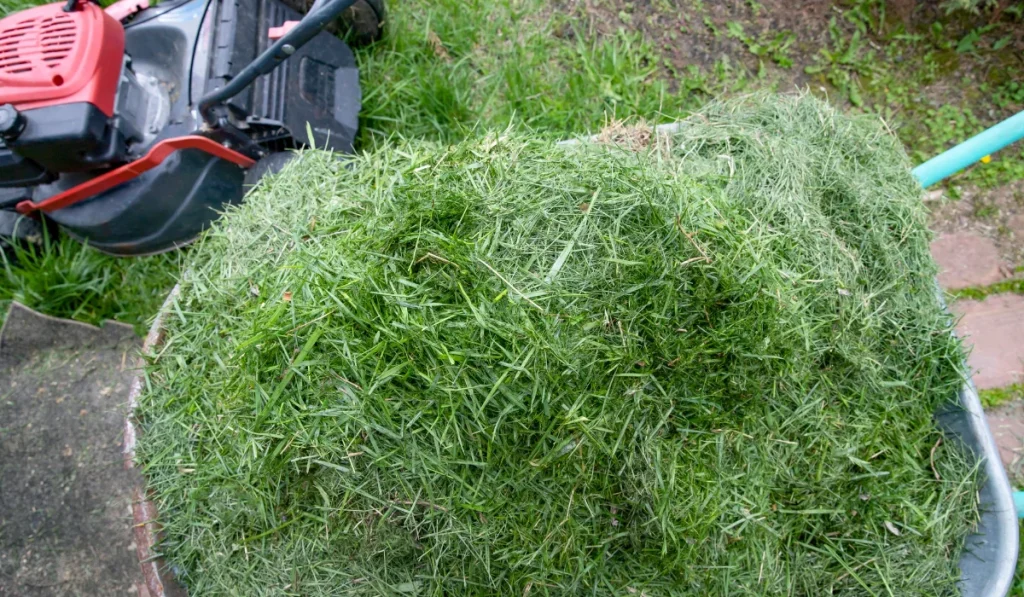
The clippings also begin losing moisture. Fresh green tissue has a different aroma from drying plant material, so the sharp scent may soften as the clippings sit. Air movement carries some compounds away, while the immediate response inside the damaged tissue slows.
This is also why fresh-cut grass and hay do not smell exactly alike. The smell of fresh grass is strongly associated with green leaf volatiles released after injury. Drying hay develops a sweeter aroma as moisture declines and its plant compounds continue to change.
Grass Type and Mowing Conditions Affect the Experience
Different grasses do not necessarily produce identical scent profiles. The lawn’s condition, the amount of leaf tissue removed, the freshness of the clippings, and the local weather can all affect what you notice.
Mower condition matters for the health of the lawn as well. A sharp blade makes a cleaner cut, while a dull blade tears and frays the grass. Removing too much leaf tissue at once can also place added stress on the lawn, regardless of how strong the scent becomes.
Following mowing guidance for your grass variety supports more even growth and reduces unnecessary damage. A lawn chosen for the site’s sunlight, climate, water needs, and intended use will also be easier to maintain over time.
Enjoying the Fresh-Cut Grass Smell in Your California Yard
The next time you notice the smell of freshly cut grass, you are detecting a fast plant response to damaged tissue. Green leaf volatiles, including cis-3-hexenal and related compounds, create the familiar green aroma. Your memories and personal experiences then shape whether the scent feels nostalgic, refreshing, neutral, or unpleasant.
That combination of plant biology and human memory makes the aroma more interesting than it first appears. Mowing changes grass at the cellular level, releases volatile compounds into the air, and creates a scent that may bring back years of outdoor experiences.
A healthy lawn still begins with the right grass for your property. SodLawn supplies sod and lawn products for residential and commercial projects across California. For help choosing a grass variety suited to your sunlight, climate, water needs, and intended use, contact SodLawn for practical guidance before your next lawn project.