A healthy, green lawn is possible in Southern California if you choose the right grass seed and plant it at the right time. Long, hot summers and low rainfall make it hard for many grass types to grow well. Picking the best grass seed for Southern California depends on your local climate, soil type, and how much sun or shade your yard gets.
From Los Angeles to Palm Springs, lawn conditions can change a lot. Coastal areas experience cooler air, fog, and salt, while inland and desert areas face intense sun and dry heat. Choosing the right grass helps reduce water use, lower maintenance, and keep your lawn green longer.
This guide explains which grass types grow best in Southern California, when to plant them, and how locally grown sod and seed can support healthy lawns all year.
Key Takeaways:
- Tall fescue, Bermuda grass, and St. Augustine remain top choices for Southern California lawns.
- Turf-type seed blends and drought-resistant grass varieties perform best in full sun and high temperatures.
- Plant warm-season grasses in spring and cool-season grasses in fall for consistent growth and color.
- SodLawn provides region-specific sod and grass seed for both Southern and Northern California climates.
Understanding California’s Climate and Lawn Conditions
Southern California has dry, warm weather, so lawns require grass that can withstand heat, drought, and intense sunlight. Inland areas often face hot, dry winds, while coastal areas deal with moisture and salt in the air. Choosing the right turfgrass helps lawns last longer while using less water.
Climate conditions vary across California. Northern California lawns have cooler winters and occasional frost, so grasses that handle cold grow better there. Southern California lawns require grass that can handle prolonged dry periods.
At SodLawn, we source sod and grass seed from trusted California farms to match local soil types and climates. Whether your lawn covers a few hundred square feet or several thousand sq ft, our experts can help you choose the right variety for your property’s conditions and offer sod delivery and installation services across California as well.
Best Grass Types for Southern California
Tall Fescue
Tall fescue is one of the most popular cool-season grasses in California. It grows well in full sun or partial shade and stays dark green most of the year. Its deep root system helps it withstand dry conditions, making it a good choice for homeowners who want to save water.
This turf-type grass handles heavy foot traffic and requires less frequent watering once established. It grows well in Los Angeles, Orange County, and San Diego, where mild winters help lawns stay green most of the year.
Bermuda Grass
Inland valleys and desert regions such as Palm Springs and Riverside benefit from Bermuda grass’s exceptional drought tolerance and heat resistance. This warm-season grass thrives in full sun and grows quickly, creating a dense turf that recovers easily from wear and tear.
Commonly used on golf courses, athletic fields, and high-traffic areas, Bermuda grass delivers excellent color and durability. It’s ideal for lawns that experience heavy use from families or pets. During the cooler months, it may go dormant, but overseeding with perennial ryegrass ensures year-round green color.
Our TifTuf Bermuda sod is a premium variety known for its low water use and quick green-up after winter dormancy. Our specialists can help you match the right Bermuda blend to your soil type and property size.
St. Augustine Grass
St. Augustine is another warm-season favorite, perfect for coastal homes in San Diego or Ventura. It tolerates moderate shade better than Bermuda grass, making it a reliable option for yards with trees or structures that limit sunlight.
This grass provides thick coverage, naturally blocking weeds while providing a soft, lush surface underfoot. Its salt-tolerant nature also makes it ideal for oceanfront properties. Regular mowing and balanced fertilizer keep it vibrant through the warmest months.
We provide St. Augustine sod grown in California for coastal conditions. Our team can help plan a watering and fertilizer schedule that keeps your lawn healthy and resilient to both heat and shade.
Buffalo Grass
Buffalo grass is among the most drought-tolerant and low-maintenance grass options. It grows best in full sun, handles high heat, and uses much less water than many common lawns. It works especially well in desert areas like Palm Desert and Temecula.
Although it grows slowly at first, buffalo grass forms a soft, natural-looking lawn that suits homeowners who want a native ground cover. Its deep roots and short growth reduce mowing and water needs.
Zoysia Grass
Zoysia grass grows in full sun and partial shade and forms dense turf that helps block weeds. It handles heat and drought and grows well in coastal and inland areas. Because it grows slowly, it reduces mowing and helps maintain a steady color.
Zoysia is well-suited for homeowners seeking durable turf that withstands foot traffic and summer heat. We offer Zoysia grass options that reduce watering needs and support year-round color.
Bentgrass
Bentgrass can work for home lawns in cooler coastal areas or higher elevations, not just golf courses. It creates a smooth, even lawn that works well for closely trimmed yards.
Bentgrass needs regular mowing and watering to keep its fine texture. This cool-season grass grows best in mild climates, such as coastal Southern and Northern California, where temperatures stay moderate. Although it does not perform as well in drought as tall fescue or Bermuda grass, it appeals to homeowners who want a clean, uniform lawn.
Comparing Southern California Grass Types
| Grass Type | Season | Drought Tolerance | Shade Tolerance | Foot Traffic | Texture | Notes |
|---|---|---|---|---|---|---|
| Tall Fescue | Cool | High | Moderate | Good | Medium | Deep roots, low maintenance |
| Bermuda Grass | Warm | Excellent | Low | Excellent | Fine | Ideal for full sun |
| St. Augustine | Warm | High | High | Good | Coarse | Best for coastal lawns |
| Buffalo Grass | Warm | Excellent | Low | Moderate | Soft | Eco-friendly, less water |
| Zoysia Grass | Warm | High | Moderate | Good | Dense | Great turf-type option |
| Bentgrass | Cool | Moderate | Moderate | Low | Fine | Premium look, higher care |
Selecting the right mix depends on your soil type, sunlight, and maintenance preferences. According to the University of California, cool-season grasses establish best when planted in fall or early spring, while homeowners should seed warm-season grasses in late spring or early summer.
Cool Season vs. Warm Season Grasses
Southern California sits in a transition zone where both cool- and warm-season grasses can grow. Understanding how each grass type grows throughout the year helps homeowners choose the best option for consistent color and easier care.
Cool Season Grass
Cool-season grasses such as tall fescue, Kentucky bluegrass, and bentgrass perform best in cooler months and remain green through winter. They grow quickly, handle partial shade, and provide a dark green color. These grasses work well in coastal areas where mild temperatures, cool nights, and ocean breezes support steady growth.
Warm Season Grass
Warm-season grasses like Bermuda grass, St. Augustine, buffalo grass, and Zoysia grass grow best in heat and full sun. They grow fastest in late spring and summer and require less water due to their deep roots. During cooler months, they may go dormant. Overseeding with perennial ryegrass helps keep lawns green year-round.
Warm-season grasses are well-suited for homeowners who want a low-maintenance lawn that tolerates drought and foot traffic. Cool-season lawns need regular watering and mowing to keep a fine, dense texture.
When to Plant Grass Seed in Southern California
Planting at the right time is one of the most important steps, and choosing the best time helps ensure a healthy lawn in Southern California. Mild winters and long, dry summers mean timing plays a major role in success.
Warm-season grasses like Bermuda, buffalo, and Zoysia grow best when planted in late spring or early summer, when soil temperatures reach about 65°F. These grasses perform well as temperatures warm, giving roots time to develop before peak summer heat.
Cool-season grasses such as tall fescue, Kentucky bluegrass, and bentgrass perform better when planted in early fall, taking advantage of cooler air and warm soil for faster germination.
According to guidance from the USDA Natural Resources Conservation Service, grasses establish most successfully when soil temperature and moisture conditions align with their seasonal growth cycle.
Avoid planting during extreme summer heat or winter months when cold soil slows growth. Planting at the right time helps roots grow stronger, improves drought tolerance, and speeds up spring growth.
Our local experts can help plan planting and overseeding schedules based on local temperatures and watering rules.
Lawn Maintenance Tips for Southern California
Mowing and Watering
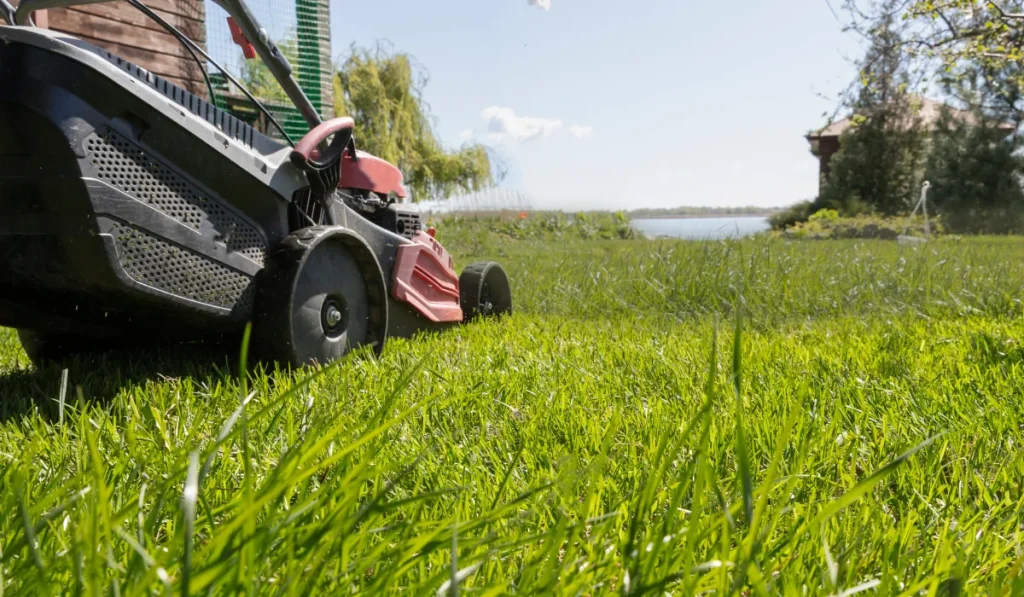
Each grass type needs a specific mowing height. Keep tall fescue about 2.5 to 3 inches tall. Mow Bermuda, Zoysia, and St. Augustine between 1 and 2 inches. Regular mowing helps grass grow thicker, which helps limit weeds.
Water deeply, but less often, to encourage roots to grow deeper. New lawns usually need about one inch of water each week. Once homeowners establish the lawn, they can reduce watering based on local rainfall.
Fertilizer and Overseeding
Fertilizing helps lawns handle drought and foot traffic. Warm-season grasses grow best when fertilized in spring and early summer. Cool-season grasses respond best to fall fertilizing. A balanced mix of nitrogen and potassium helps roots grow strong and keeps grass green.
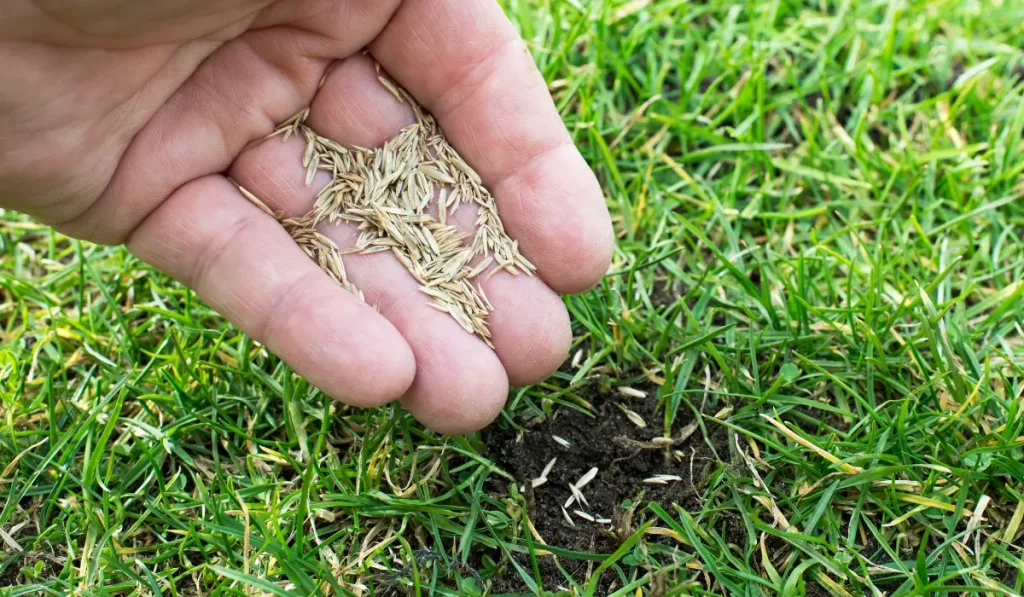
Overseeding helps fill thin areas and keeps lawns green year-round. In the fall, many homeowners overseed Bermuda lawns with perennial ryegrass to keep lawns green during cooler months.
Weed Control and Disease Prevention
Thick, healthy grass helps block weeds naturally. Pre-emergent treatments can also help stop weeds from sprouting during seasonal changes. Regular mowing and aeration reduce thatch buildup and limit pest problems.
If the grass shows disease or discoloration, checking the soil balance and moisture often fixes the problem. We can help homeowners choose grass varieties that resist disease and handle dry conditions over time.
Shade, Cold, and Heat Tolerance
Lawns with both sun and shade require grasses with flexibility, such as tall fescue or St. Augustine. At higher elevations or in Northern California, cold-tolerant grasses such as bentgrass and Kentucky bluegrass are better able to withstand frost.
In areas with extreme heat, Bermuda and buffalo grass thrive due to their deep roots and drought tolerance. If homeowners are unsure which grass seed is best for their lawn, our team can help them choose options that handle conditions ranging from coastal fog to desert heat.
Regional Grass Recommendations
Los Angeles and Orange County
Mild winters, moderate humidity, and a mix of coastal and inland sun exposure make tall fescue and St. Augustine grass ideal for lawns in Los Angeles and Orange County. Tall fescue thrives in neighborhoods with both full sun and partial shade, while St. Augustine’s broad blades offer lush coverage that resists weeds.
In sunny yards and high-traffic areas, Bermuda grass remains a reliable warm-season option under heavy use.
Lawns here benefit from grasses with good drought tolerance and shade tolerance, given the region’s fluctuating microclimates.
Our locally cultivated sod is grown specifically for Southern California’s soil and water restrictions, helping homeowners maintain vibrant, low-maintenance lawns that stay green even during dry months. Our experts can recommend the right grass seed or sod based on your property’s exposure, soil type, and lawn size.
San Diego and Coastal Areas
San Diego’s coastal climate includes cool marine air, salt exposure, and mild temperatures, which support many cool-season grasses. Tall fescue and bentgrass perform especially well and stay dense and green year-round.
Homeowners who want winter color often overseed warm-season lawns with perennial ryegrass. Coastal properties also benefit from salt- and shade-tolerant grasses like St. Augustine or Zoysia.
Our grass seed blends are suited to San Diego soil conditions and ocean exposure while supporting lower water use.
Palm Springs and Inland Deserts
In Palm Springs, the Coachella Valley, and other desert areas, lawns face very harsh growing conditions. High heat, sandy soil, and little rainfall require grasses that handle drought and extreme temperatures.
Bermuda grass and buffalo grass work well here because they grow deep roots and need less water once established. These warm-season grasses also handle heavy foot traffic, making them well-suited for family yards and active outdoor areas.
Our desert-adapted sod and seed support durable, water-efficient lawns suited for desert living.
Making the Right Choice for Your California Lawn
Selecting the best grass seed for Southern California lawns comes down to understanding your region, soil, and maintenance goals. Tall fescue remains versatile, Bermuda grass thrives in sun and heat, St. Augustine suits coastal shade, Zoysia offers soft density, and buffalo grass excels in water conservation.
Each type of grass provides unique strengths for different California landscapes. At SodLawn, our experts can assess your property and recommend seed or sod that aligns with your goals, climate, and lifestyle, helping you achieve a sustainable, beautiful lawn.
Contact us today and let our team help you learn more about any lawn care concerns you may have.
FAQs
What is the best grass seed for Los Angeles lawns?
Tall fescue performs best in Los Angeles because it tolerates both full sun and partial shade while maintaining a deep green color year-round.
Can I plant Bermuda grass in San Diego?
Yes. Bermuda grass thrives in San Diego’s warm coastal climate and stays durable in high-traffic areas. For winter color, overseed with perennial ryegrass.
When should I plant grass seed in Southern California?
Plant cool-season grasses like tall fescue and bentgrass in early fall, and warm-season grasses such as Bermuda and Zoysia in late spring, when the soil warms up.