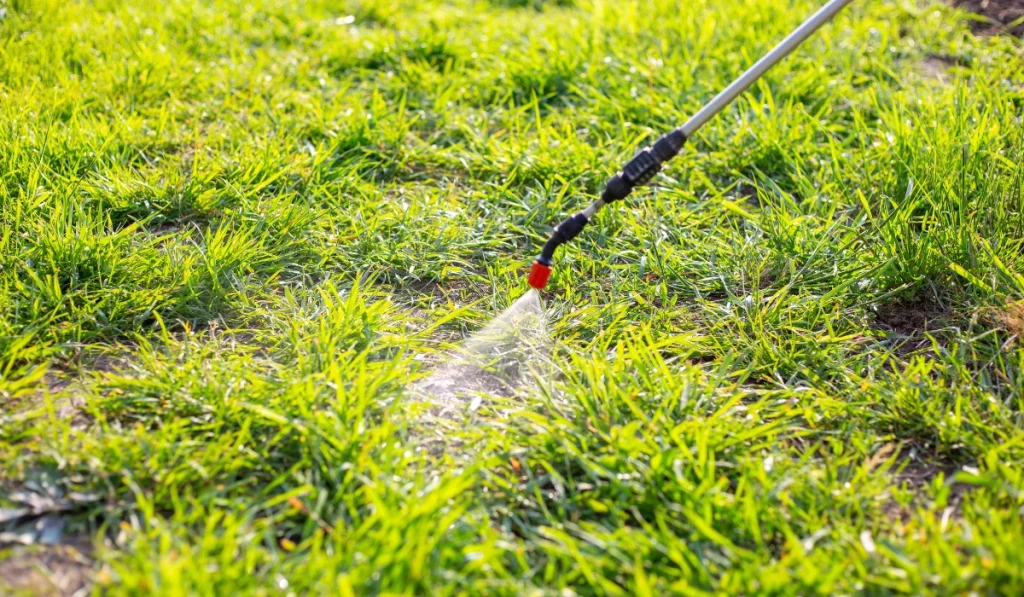
Timing matters when you want better weed control on a California lawn, sports field, HOA landscape, or commercial property. Post-emergent herbicides work best when target weeds are actively growing, and temperature gives you one of the clearest signs.
For most post-emergent sprays, the ideal temperature range is 60°F to 85°F. In that window, weeds can take in the herbicide through the leaves, move it through the plant by translocation, and respond more consistently after herbicide application.
Air temperature, soil temperatures, weather conditions, weed species, and growth stage all affect the result. A cool coastal lawn may need different timing than a bermuda lawn in a hotter inland area, even when the lawn weeds look similar.
Key Takeaways
- The ideal temperature range for most post-emergent herbicides is 60°F to 85°F.
- Extreme heat or cold can reduce herbicide performance, uptake, and translocation.
- Weed species, weed size, and growth stage affect the best treatment window.
- Good lawn care depends on current weather conditions, not just the calendar.
The Best Temperature Range for Post-Emergent Sprays
The right temperature range helps you match herbicide application to active weed growth. Before spraying, check whether the lawn weeds are growing enough to absorb the product.
60°F to 70°F: Ideal for Cool-Season Weed Control
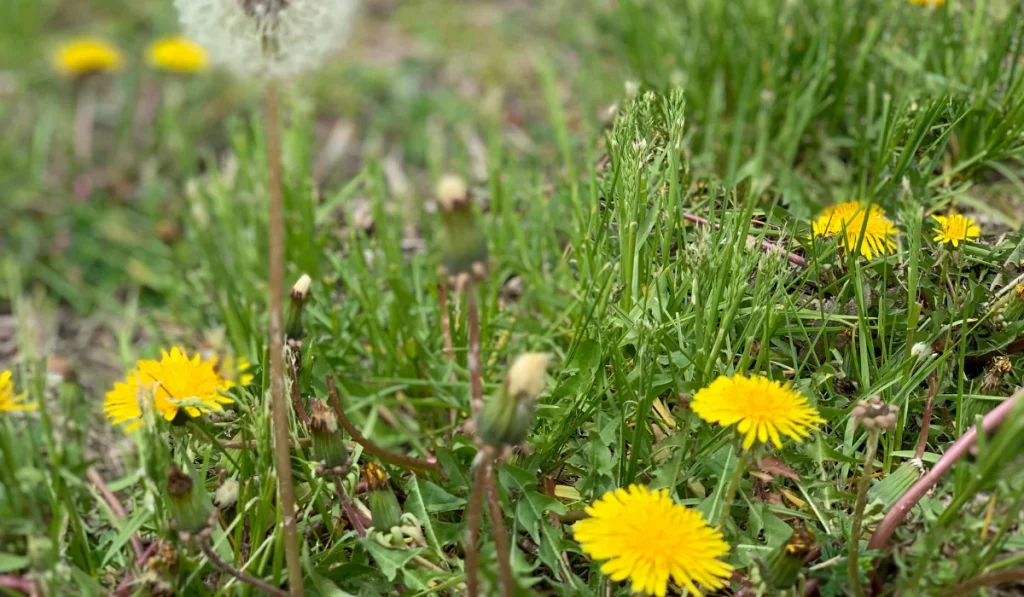
This range works well for many cool season lawn weeds in early spring, especially broadleaf weeds such as chickweed, henbit, and dandelions. When these weeds are actively growing, systemic herbicides can move through the plant more effectively.
Cool-season lawns like fescue and bluegrass often respond well in this window. Selective herbicides such as dicamba may be used for certain broadleaf weeds, but always follow the herbicide label, product label, and SDS before spraying.
70°F to 85°F: Peak Performance Window
The 70°F to 85°F range is often the best post-emergence window for many post-emergent herbicides. Warm air temperature supports stronger uptake and translocation, so the herbicide can reach more of the weed.
This window can work well for crabgrass, nutsedge, annual weeds, and other warm-weather target weeds in warm season grasses such as bermuda. It also lines up with active growth during much of the California growing season.
Below 60°F: Reduced Uptake and Slower Results
When temperatures fall below 60°F, weeds grow more slowly. Slower growth can limit herbicide uptake, so results may take longer or look uneven.
This often happens in early spring when afternoons feel warm, but soil temperatures remain low. In that case, a post-emergent spray may perform better after a few warmer days.
Above 85°F: Increased Risk and Lower Efficiency
Higher temperatures can stress turf and reduce herbicide performance. Some products, including dicamba, may also carry more risk in hot conditions, so the herbicide label matters.
If treatment still fits the label, spray earlier in the day when conditions are cooler and calmer. Avoid peak heat, especially on stressed warm season grasses.
When Temperature Makes Sprays Less Effective
Even within the ideal temperature range, spray results can drop when the lawn or weeds are under stress. Temperature matters, but it is not the only part of good weed control.
Rapid Temperature Changes
Fast swings between cool nights and warm afternoons can slow weed growth. When growth slows, systemic herbicides may not move through the plant as well.
Drought or Heat Stress
Drought and heat stress can make weeds harder to treat. Stressed weeds often have tougher leaf surfaces, which can limit herbicide uptake even when adjuvants or surfactants are used.
Incorrect Growth Stage
Post-emergent herbicides work best on small, actively growing weeds. Once weed size increases, control becomes less consistent, especially with mature annual weeds or established perennial weeds.
Product and Condition Mismatch
Every herbicide has its own label directions for timing, target weeds, turf type, and weather conditions. Glyphosate, dicamba, selective herbicides, residual herbicides, pre-emergent herbicides, and other products are not interchangeable.
Selective herbicides are often used for broadleaf weeds in turf. Pre-emergent products target germinating weeds before they break through the soil, while residual herbicides may continue working after application depending on the product.
How to Check Spray Conditions Before You Apply
A quick pre-application check can help you avoid wasted product and weak weed-free results. Look at the lawn, the forecast, and the product label before you spray.
Measure Air and Soil Temperatures
Check air temperature near the lawn and review soil temperatures before treatment. Surface warmth can be misleading, especially in early spring or after several cold nights.
Evaluate Weather Conditions
Wind, rain, and humidity all affect herbicide application. Calm weather reduces drift, while rain too soon after application can wash product off the leaves before it absorbs.
Inspect the Lawn Thoroughly
Identify the weed species, growth stage, and turf type before choosing a product. A cool season lawn with dandelions and chickweed may need a different plan than a bermuda lawn with crabgrass or nutsedge.
Time Mowing Properly
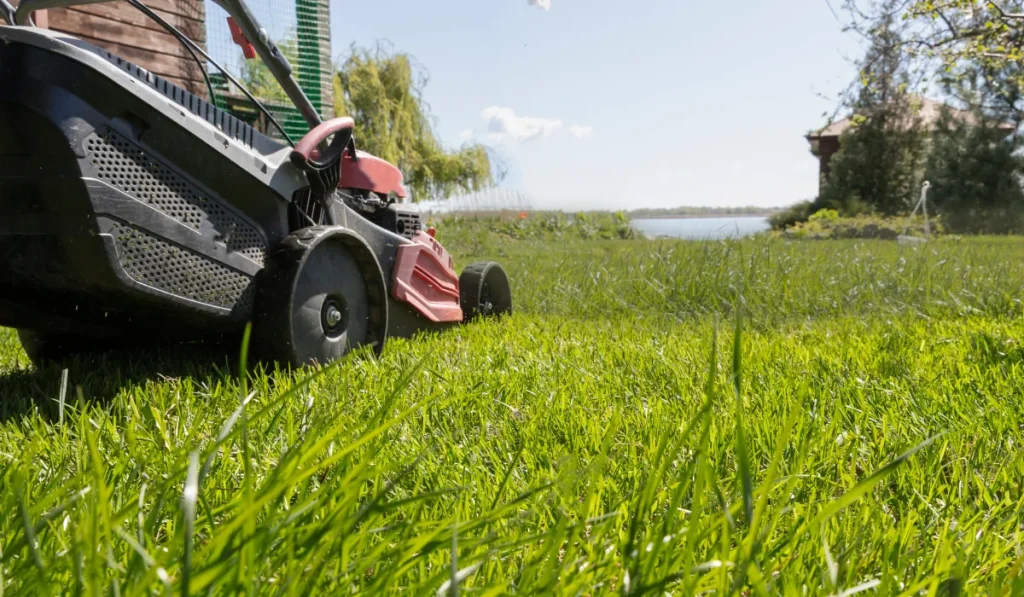
Mow one to two days before applying post-emergent herbicides so weeds still have enough leaf surface for uptake. Avoid mowing right after treatment so the herbicide has time to move into the plant.
Use Adjuvants and Surfactants
Adjuvants and surfactants can improve coverage on certain weeds and under certain conditions. Use them only when the herbicide label allows it, since the wrong mix can reduce results or stress the turf.
Get the Right Lawn Products for California Conditions
California lawns face different spray conditions, from cool coastal mornings to hot inland afternoons. A good post-emergent plan should match the temperature range, lawn type, weed species, and product label instead of a fixed calendar date.
Strong turf also makes weed control easier over time. Dense grass leaves less open space for germinating weeds, supports better lawn care results, and helps residential and commercial properties stay cleaner between treatments.
SodLawn provides sod, grass seed, fertilizer, and lawn tools suited for California lawns. Contact SodLawn for help choosing products that support thicker, healthier grass before and after weed control work.
FAQs
What is the best temperature for post-emergent herbicides?
The ideal temperature range for most post-emergent herbicides is 60°F to 85°F. In that window, weeds are usually growing enough to absorb the herbicide and move it through the plant for better weed control.
Can post-emergent herbicides be used year-round?
Post-emergent herbicides can be used at different times of year, but timing should match the product label, temperature range, weed species, and growth stage. In California, early spring, active growing season periods, and mild weather windows often matter more than the month alone.
What weeds are best treated with post-emergent herbicides?
Common targets include crabgrass, dandelions, chickweed, henbit, nutsedge, broadleaf weeds, annual weeds, and some perennial weeds. Control depends on weed size, turf type, weather conditions, and the specific herbicide used.