Spring in Sacramento is when your lawn starts showing what it needs. After the winter months, you may see matted grass, bare patches, compacted soil, or winter grass that has not thinned out yet.
This spring lawn care checklist helps you reset your yard before late spring and early summer. Whether you have ryegrass, bermudagrass, or mixed turfgrass, the right timing helps roots wake up, new grass start germinating, and your lawn green up evenly.
For Sacramento home lawns, spring transition matters. Cool mornings, warmer afternoons, and rising soil temperatures can affect when you mow, water, aerify, overseed, and apply pre-emergent herbicide.
Key Takeaways
- Focus on cleanup, aeration, soil testing, mowing, and bare-spot repair before the summer lawn season starts.
- Time pre-emergent use, watering, overseeding, and mowing height around your lawn’s actual growth, not just the calendar.
- If your lawn needs more than routine care, quality grass seed, sod, fertilizer, and local lawn care services can help you strengthen it before Sacramento heat arrives.
Spring Lawn Checklist
A strong spring routine makes lawn care easier as temperatures climb. Start with these core lawn maintenance steps.
1. Clean Up and Remove Debris
Start with a full cleanup. Remove leaves, sticks, dead grass, and other debris left from the winter months. This lets sunlight reach the turfgrass and helps you spot problem areas.
As you rake, look for thatch, bare patches, and places where winter or annual ryegrass stays thick. If buildup is heavy, dethatching or verticutting can improve airflow, water movement, and seed-to-soil contact before growth speeds up.
2. Test Your Soil and Adjust Nutrients
A soil test keeps you from guessing. Sacramento soil can vary from one yard to the next, so testing gives you a clearer starting point before you add fertilizer or seed.
Use your soil test results or guidance from a local cooperative extension to plan lawn fertilization. A slow-release fertilizer can support steady growth during the active growing season, especially in an established lawn that needs better color or density.
3. Apply Pre-Emergent for Weed Control
Pre-emergent herbicide helps stop weed seeds before they sprout. Watch soil temperatures instead of applying it just because spring has started.
In Sacramento, early spring is often the window to act before crabgrass and other weeds get moving. Avoid applying pre-emergent where you plan to seed right away, since it can interfere with ryegrass and other grass seed while it is germinating.
4. Aerate to Reduce Compaction
If your lawn gets regular foot traffic from kids, pets, backyard gatherings, or mowing, the soil may be compacted. Compaction keeps water, air, and nutrients from reaching the root zone.
Aeration opens the soil so roots can grow deeper before the summer lawn season. If the ground feels hard underfoot or water runs off instead of soaking in, it may be time to aerify.
5. Overseed and Repair Bare Spots
After aeration, overseed thin areas and bare patches. Match the seed to your existing grass type, whether that means bermudagrass cultivars or another turfgrass used in Sacramento home lawns.
Use the right amount of seed for your square feet, then keep the area evenly moist while seeds are germinating. Shady areas may need a different plan than full-sun sections, especially if your bermuda lawn thins where sunlight is limited.
6. Tune Up Your Mowing Routine
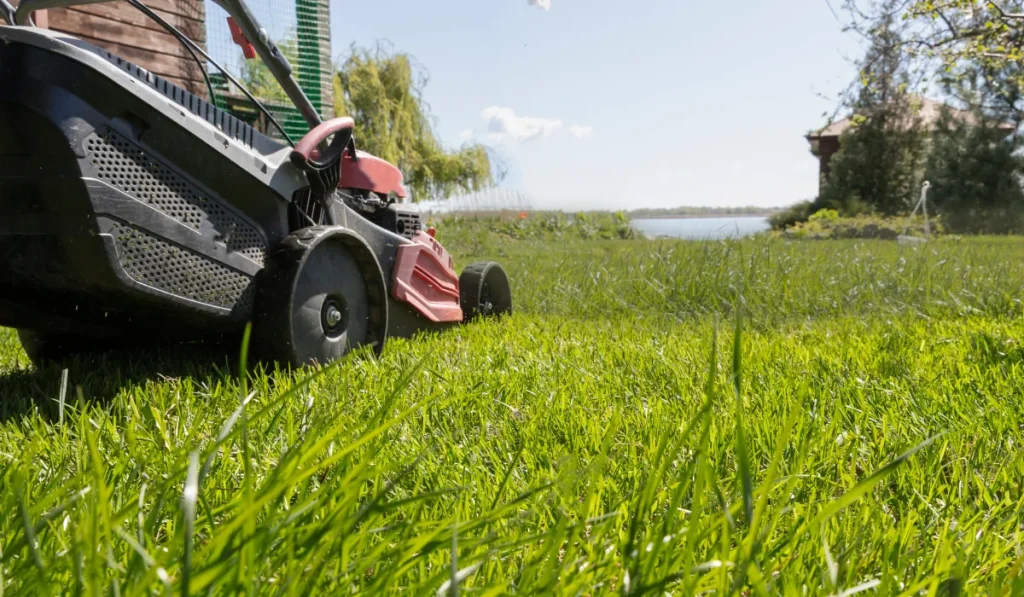
Before regular mowing begins, check your mower. Sharp blades cut grass cleanly, while dull blades tear it and leave the lawn looking ragged.
Set the mowing height for your grass type, then avoid cutting too much at once. Leave clean clippings on the lawn when they are light and evenly spread, since they can return nutrients without smothering the grass.
7. Check Your Sprinkler System
Run your sprinkler system before late spring heat arrives. Look for clogged heads, leaks, dry corners, and overspray onto sidewalks or driveways.
Most lawns need about an inch of water per week, but your schedule should match the weather, soil, and grass type. Water deeply enough to support root growth without keeping the lawn soggy during the spring transition.
What to Inspect Before You Start
Before you begin spring lawn care, walk your yard and look closely. A quick inspection helps you avoid doing the right task at the wrong time.
Grass Type and Dormancy Status
Identify whether you have cool-season grass, warm season grasses, or a mixed lawn.
Cool-season grass usually grows earlier, while warm season grasses often stay in dormancy longer. If your bermudagrass has not started to green up, wait for steady growth before heavy work.
Signs of Thatch and Buildup
Check the layer between the grass blades and soil. A thin thatch layer is normal, but a thick layer blocks water and nutrients. Dethatching or verticutting can help when buildup slows spring recovery.
Pest Activity and Grubs
Look for soft spots, dead grass, or areas that lift easily from the soil. These can point to grub activity or other lawn problems. Catching damage early helps protect the roots before summer stress arrives.
Bare Patches and Uneven Growth
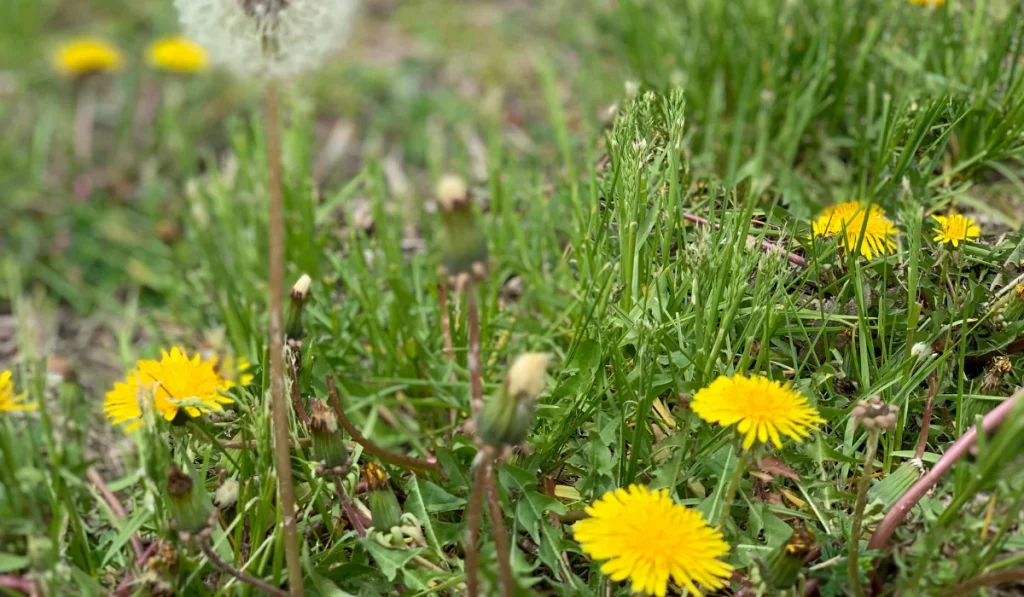
Look for thin areas near walkways, play spaces, pet paths, and shady areas. These spots may need aeration, overseeding, sod repair, or better sprinkler coverage before late spring.
Early-Season Mistakes to Avoid
Small spring mistakes can make your summer lawn harder to manage. Watch for these common issues as your lawn comes out of dormancy.
Applying Treatments Too Early
Use soil temperatures to guide your lawn care plan. Applying pre-emergent herbicide too early can reduce its effect before weed pressure peaks.
The same goes for seeding, aeration, and heavy fertilizer use. Wait until the lawn is actively growing, especially if warm season grasses are still waking up.
Overwatering Your Lawn
Too much water in early spring can weaken roots. Shallow roots struggle more once Sacramento weather turns hot and dry.
Aim for about an inch of water per week unless rain, soil conditions, or sprinkler coverage call for a change. Deep, less frequent watering supports stronger roots.
Cutting Grass Too Short
Scalping the lawn during early mowing can stress the grass and open space for weeds. It can also slow recovery in areas that are already thin.
Set your mower to the right mowing height for your grass type. A clean, consistent cut supports healthier growth and keeps your lawn looking better between mowings.
Skipping Aeration and Overseeding
Skipping aeration and overseeding can leave you with compacted soil and thin turf over time. Even an established lawn can need help after winter use, foot traffic, and uneven watering.
Make aeration part of your spring lawn care plan when the soil is compacted. Follow with overseeding where it fits your lawn type, especially in thin areas that need better coverage before early summer.
Request Spring Lawn Help in Sacramento
If your lawn needs more than a basic spring cleanup, SodLawn can help you choose the right materials for the job. Sacramento lawns deal with shifting soil temperatures, dry summers, shade patterns, and grass types that do not all wake up at the same time.
Whether you need to repair bare spots, refresh a bermuda lawn, overseed ryegrass, or improve overall lawn health, the right materials and timing can help your yard move into spring with stronger growth. Contact SodLawn to order sod, grass seed, fertilizer, or lawn tools for your Sacramento property.
FAQs
What is the best time to start a spring lawn care checklist in Sacramento?
Start in early spring once soil temperatures rise and your grass begins active growth. This is when cleanup, pre-emergent planning, mowing, and sprinkler checks become more useful. Watch your lawn conditions closely, since cool-season grass and warm season grasses do not always green up at the same pace.
How do I know if I should aerate my lawn?
Aerate if your lawn has compacted soil, heavy foot traffic, poor drainage, or thin growth. If water runs off instead of soaking in, or the soil feels hard underfoot, aeration can help air, water, and nutrients reach the roots.
How much water does my lawn need in spring?
Most lawns need about an inch of water per week in spring. Water deeply and less often to encourage stronger roots. Adjust your sprinkler schedule based on rain, soil conditions, grass type, and any dry spots you see during your yard inspection.