If your Irvine lawn starts thinning, browning, or pulling loose near sunny spots and driveways, billbugs may be the problem. These small weevils damage turfgrass quietly, often before homeowners see the insects themselves.
Billbug damage can look like drought stress at first. The lawn may seem dry even after regular watering. The difference is where the damage starts. Billbug larvae feed inside grass stems and near the root zone, weakening the plant from below.
Knowing how to treat billbugs in Irvine helps you act before small patches turn into damaged turf. This guide shows you what to check, when billbug control works best, and how SodLawn can help you repair thin areas with quality sod, grass seed, fertilizer, and tools.
Key Takeaways
- Billbugs are small weevils that damage turfgrass from inside the plant.
- Look for brown heads, loose grass, sawdust-like frass, and a failed tug test.
- Late spring and early summer are the most important treatment windows.
- Healthy lawns recover better with steady lawn care, proper mowing, and sod support.
How to Tell if Billbugs Are Damaging Your Turf
Knowing how to treat billbugs in Irvine starts with spotting the damage correctly.
Brown Heads and Patchy Areas
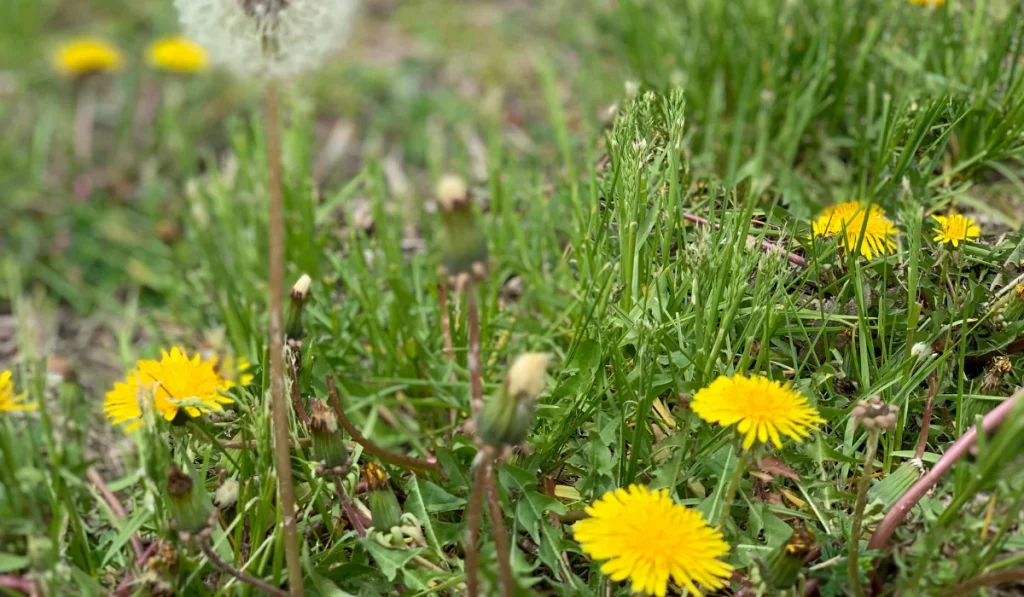
Brown heads are one of the first signs homeowners notice. Grass may turn tan or brown in scattered patches, especially around hot, sunny areas near sidewalks, driveways, and curb strips.
These spots often get blamed on drought stress. Watering can help stressed turfgrass, but it will not fix grass stems that billbug larvae have already hollowed out.
Loose Grass and Tug Test Results
The tug test gives you a clearer answer.
Grab a small section of affected grass blades and pull gently. If the grass slips out easily with little root resistance, billbug feeding may be involved.
Larvae feed inside the grass stems before moving lower into the crown and root zone. Once that support is gone, the turf loses strength and starts to thin.
Sawdust-Like Frass on Soil Surface
Sawdust-like frass near the soil surface is another strong clue. This material comes from billbug larvae as they feed inside the plant and push waste out near the base of the grass.
Check the edge of damaged turf, where healthy grass meets thinning patches. Frass, loose stems, and brown heads together point more strongly to a billbug infestation than watering stress alone.
How to Treat Billbugs in Irvine Lawns
Once you spot the signs, billbug control works best when action matches the pest’s life cycle. For Irvine homeowners, the goal is to limit further turfgrass damage, support healthy regrowth, and know when damaged turf may need repair with grass seed or sod.
Address Adult Billbugs Early
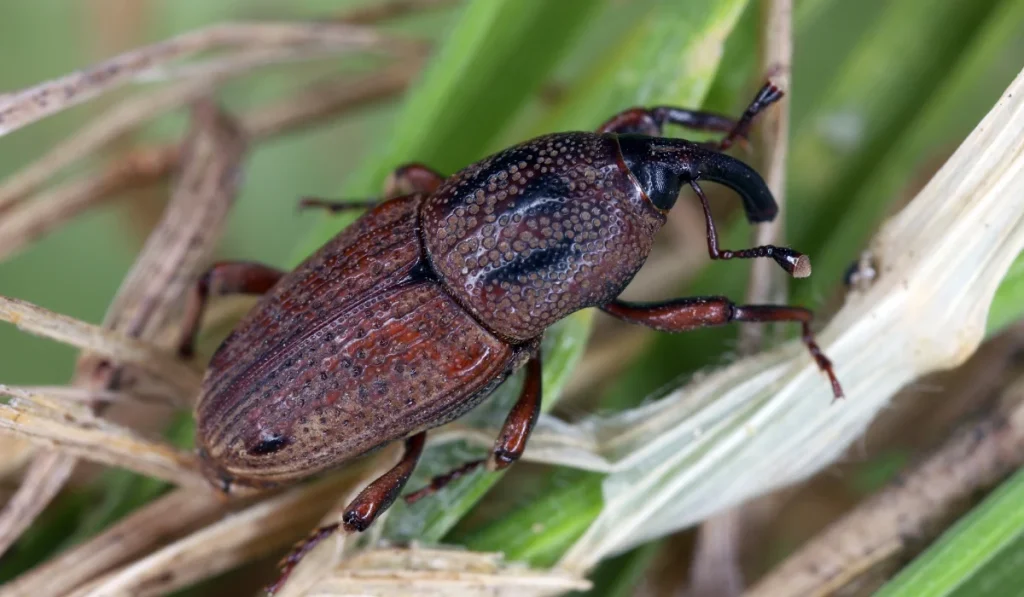
Adult billbugs become active in late spring and begin moving through turfgrass. They have a long snout and lay eggs inside grass stems. Addressing billbug adults during this window helps reduce the number of eggs that later hatch into larvae.
Timing matters because visible damage often shows up after feeding has already started. If you use a lawn treatment product labeled for billbug control, follow the label closely and review the active ingredients before applying anything to your lawn.
Watch for Larvae in Early Summer
Early summer is when billbug larvae cause the heaviest turf damage. After eggs hatch, larvae feed inside the plant before moving closer to the soil surface and root zone. This is also when grubs and white grubs are sometimes confused with billbugs.
Nematodes, including Steinernema carpocapsae, may be used as a natural option for targeting larvae in the soil. Good contact with the soil surface matters, so irrigation and timing should follow the product instructions.
Use Integrated Pest Management
Integrated pest management, or IPM, combines monitoring, treatment decisions, and lawn care instead of relying on one step. For Irvine homeowners, that means checking damaged areas, reducing stress on the grass, and taking action only when the signs point to active billbug damage.
IPM also protects the turf you still have.
Once billbug feeding is under control, proper mowing, watering, fertilizer, and repair with grass seed or sod can help the lawn recover and reduce thin spots where stress shows up again.
When Treatment Timing Matters Most
Timing is one of the biggest factors in how to treat billbugs in Irvine because each stage of the life cycle affects the lawn differently.
Late Spring Activity
Late spring is the time to watch for adult billbugs. They move through turf, mate, and lay eggs inside grass stems. Acting during this stage helps stop the next wave of larvae before they spread through the lawn.
Start with warm, exposed areas. Turf along driveways, patios, and south-facing lawn edges often shows stress before shaded parts of the yard.
Early Summer Feeding Stage
In early summer, larvae feed heavily and damage becomes easier to see. Grass may thin in patches, brown heads may snap off, and affected sections may fail the tug test.
Billbug larvae are often mistaken for white grubs at this stage. Both can weaken turfgrass, but billbugs are tied closely to hollowed grass stems, frass, and damage near the crown.
Winter Overwinter Period
Billbugs overwinter as adults in soil, thatch, and protected areas around the lawn. You may not see active damage during winter, but those adults can start the problem again next season.
If your lawn had damage this year, monitor the same areas the following late spring before adults lay eggs again.
How to Help Turf Recover and Prevent Repeat Damage
After treatment, help the lawn fill back in and make the area less favorable for another billbug infestation.
Strengthen Lawn With Proper Care
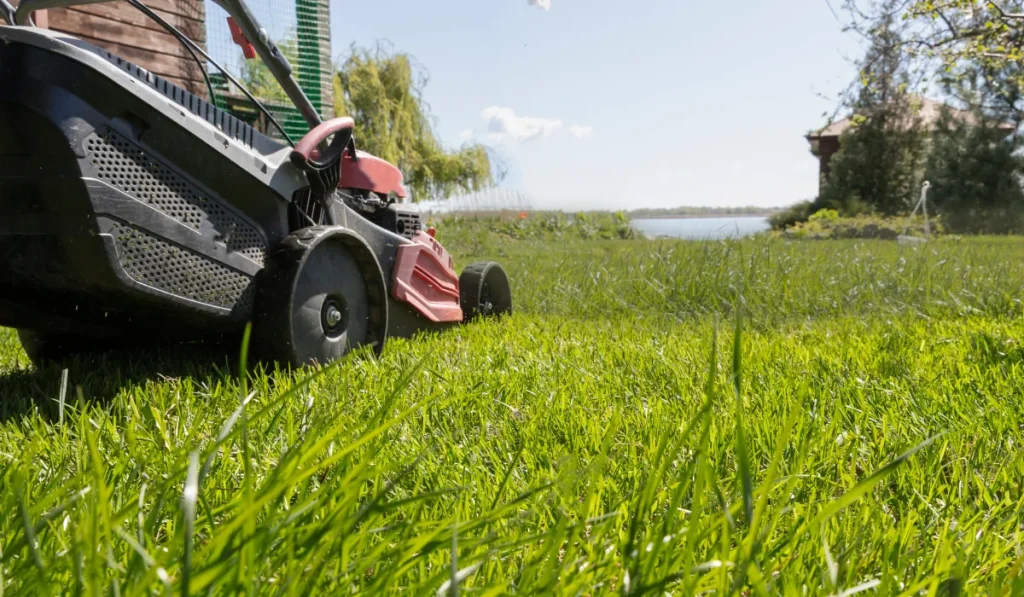
Healthy turfgrass handles stress better than thin, neglected turf. Keep mowing consistent, water deeply enough to support the root zone, and avoid scalping the grass during warm weather.
Cool-season grasses such as fescue blends, Kentucky bluegrass, and perennial ryegrass need steady care when Irvine heat adds stress.
Some cultivars with endophyte traits may offer better tolerance to certain feeding pressure, but proper lawn care still does most of the recovery work.
Choose the Right Sod and Grass Types
If the turf is too thin to bounce back, sod can repair the area faster than waiting for damaged grass to fill in. SodLawn supplies Irvine homeowners with quality sod for repairing bare, thin, or weakened lawn areas.
Warm-season options such as bermudagrass and zoysiagrass can work well in sunny Southern California lawns. The right choice depends on sun exposure, traffic, water needs, and how you use the yard.
Manage Thatch and Monitor Soil
Too much thatch can give pests like the hunting billbug a protected place to hide. Keep thatch under control and check the soil surface when you see new thinning or brown patches.
Some billbug species can be hard to identify without training in entomology. The bluegrass billbug, Sphenophorus parvulus, is one known species, but the lawn signs often matter most when deciding whether to treat, repair, or replace damaged turf.
Repair Billbug-Damaged Turf in Irvine
If you are not sure whether the issue is billbugs, grubs, drought stress, or another lawn problem, confirm the cause before repairing the area. The right next step depends on whether the grass can recover or needs replacement.
SodLawn can help Irvine homeowners repair billbug-damaged turf with quality sod, grass seed, fertilizer, and lawn tools. Whether you are patching a small area near the driveway or replacing a larger section of damaged turf, starting with the right materials makes recovery easier.
Take action when you first notice thinning, loose grass, brown heads, or sawdust-like frass. With smart billbug control, steady lawn care, and with quality sod from SodLawn, your turfgrass can recover and stay stronger through the next growing season.
FAQs
How do I know if I have billbugs or grubs?
Billbugs and grubs both damage lawns, but they leave different clues. Billbug larvae feed inside grass stems and often leave sawdust-like frass near the soil surface. Grubs and white grubs feed more directly on roots. A tug test can help show whether the stems have been hollowed out.
What is the best treatment for billbugs in Irvine?
The best treatment depends on timing. In late spring, focus on adult billbugs before they lay eggs. In early summer, target larvae before damage spreads. Lawn treatment products and nematodes such as Steinernema carpocapsae may be options depending on the situation.
Can lawns recover after billbug damage?
Yes, lawns can recover when the damage is addressed early and enough healthy growth remains. Proper mowing, watering, soil care, and repair with seed or sod can help fill thin patches. Severe damaged turf may need sod replacement for faster recovery.