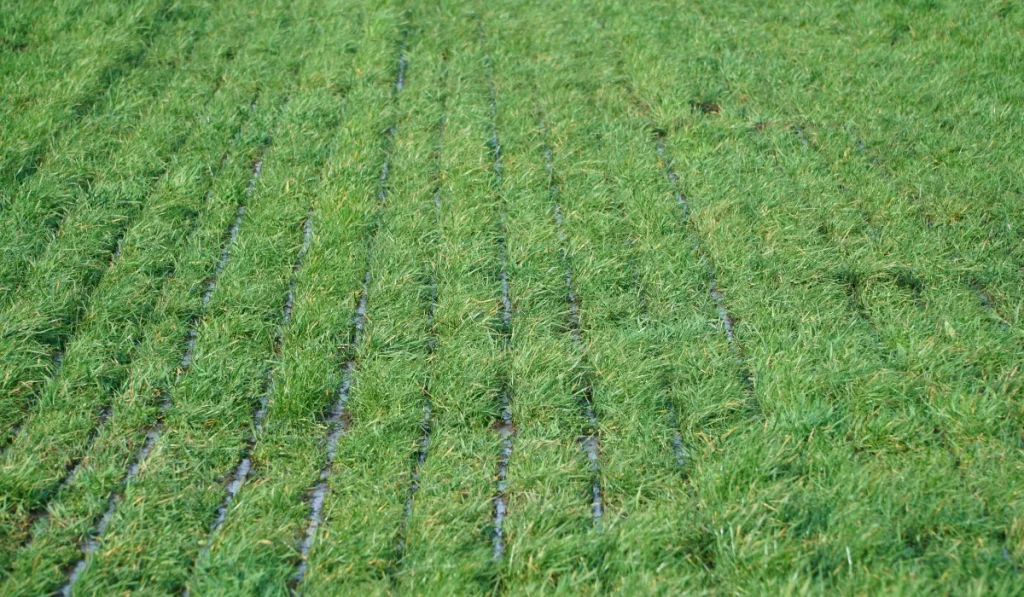
Visible sod lines after a new sod installation are normal. Whether you live in Los Angeles, the Central Valley, or Northern California, seams between sod pieces are part of the early stages of a new lawn. But how long do sod lines last? And what helps them fade faster?
If you recently laid sod and still see visible lines, this is common. In most California climates, sod lines fade within two to six weeks. The timing depends on soil quality, watering habits, and grass type, such as Bermuda, bluegrass, or fescue.
This article explains how long sod lines last, why some lawns blend more slowly, and which care steps help new sod grow evenly.
Key Takeaways
- Sod lines usually fade within two to six weeks, depending on weather and watering.
- Proper watering, mowing, and fertilizing help new sod grow together faster.
- Warm-season grasses like Bermuda root faster in warm conditions, while cool-season grasses like fescue establish more quickly in cooler temperatures.
- Good soil preparation and limited foot traffic help sod grow evenly across seams.
How Long Until Sod Lines Disappear?
In most parts of California, sod lines become less visible within three to four weeks after roots take hold. The lines fade as roots from each sod piece grow into the soil and connect with nearby sections.
If seams remain visible after six weeks—especially during winter installations between December and February— uneven watering, compacted soil, or early foot traffic may be the cause. During the active growing season, most sod seams will typically blend in after about 3 to 4 mowings as the grass fills in and establishes.
Fresh sod from a reliable farm establishes faster under proper conditions. At SodLawn, we provide sod delivery and installation services across California and supply farm-fresh sod that supports faster, smoother lawn results.
What Affects How Fast Sod Lines Disappear?
1. Soil Conditions and Preparation
To get the best results, prepare your soil before laying sod. Good soil preparation plays a major role in how quickly sod seams disappear. Loose, nutrient-rich topsoil allows the root system to spread easily and connect each piece of sod. Compact or dry soil slows root growth, which can keep sod lines visible longer than expected.
Loosening the soil and adding organic material improves contact between the sod and soil. If your soil contains heavy clay, better drainage prevents water buildup and supports even rooting.
Apply a starter fertilizer during installation to support early growth. When we deliver sod, homeowners can also order topsoil or fertilizer suited for California soils.
2. Installation Quality
How the sod is installed also affects how quickly the lines disappear. When each piece is laid tightly so the seams touch end to end and side to side, the sod can knit together faster and create a more uniform appearance. Laying sod in a brick pattern, with seams staggered from row to row, also helps reduce visible lines as the lawn fills in.
Because sod pieces are not always perfectly uniform, some small gaps may happen during installation. In many cases, gaps around 1/4 inch to 3/8 inch will still fill in over time. If larger gaps appear, adding good soil and a light sprinkle of seed can help the area blend in more evenly.
3. Watering and Irrigation Practices
During the warm months and growing season, knowing how often you need to water your lawn is key to helping sod lines disappear. For the first two weeks, your irrigation system should keep the sod and topsoil evenly moist but not soggy. Too much water can lead to shallow roots and brown spots, while too little water prevents the sod seams from closing.
Once roots begin to establish, reduce watering frequency and increase run time. This method promotes deeper roots and even sod growth. Check sprinkler coverage so all areas receive even water.
Watering schedules can be adjusted based on lawn size and California’s regional watering rules to support proper sod establishment.
Weather and time of year play a large part in watering schedules.
4. Mowing and Lawn Care Routine
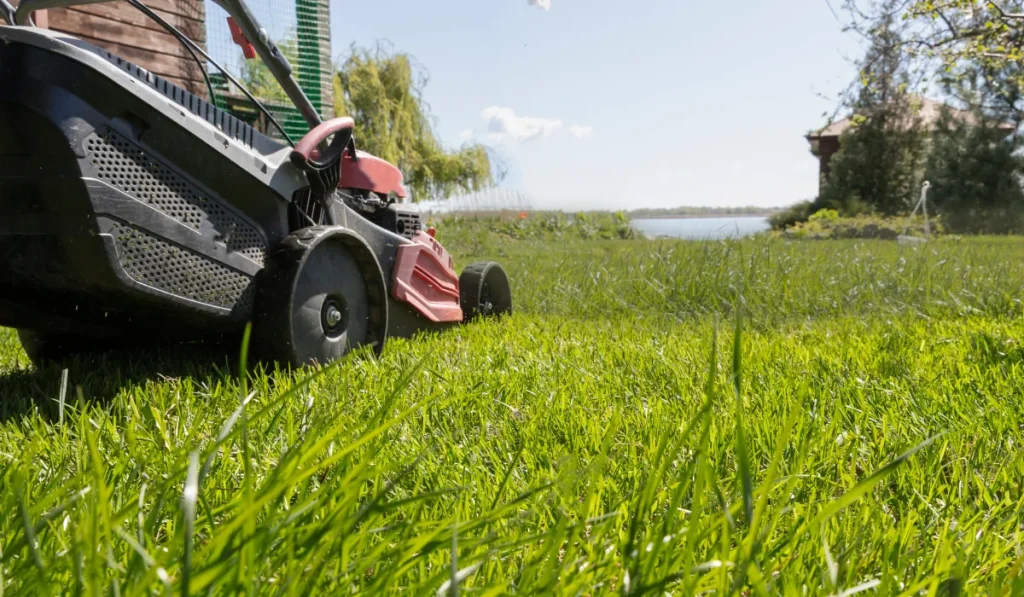
First mowing timing matters. Mow new sod only after roots form, usually after two weeks. Mowing too early pulls up edges and widens seams.
After two weeks, test the sod by gently tugging on a few sod rolls to make sure they are secure enough to mow over.
Set the mower to a high height for the first cut to avoid trimming too short. The University of California Agriculture and Natural Resources recommends removing only one-third of the grass blade at a time and avoiding sudden height changes.
Sometimes the lawn grows taller and faster than normal in those two weeks. If nutrients are high, the grass can grow to 3-4 inches tall. If mowing a third of the blade off does not get you to your desired mowing height, mowing twice a week three times can help you get there. Mowing small amounts twice is better than cutting too much off at once.
Keeping grass 2.5 to 3 inches tall shades the soil and supports strong roots. Removing clippings or mulching prevents buildup that slows seam growth. We can offer guidance based on grass type and location in California.
5. Grass Type and Growing Season
Grass type affects how fast sod lines fade. Warm-season sod, such as Bermuda or TifTuf, establishes more quickly in hot weather and thrives at high temperatures. These grasses are more drought-tolerant but typically go dormant and lose their green color during colder months.
Cool-season sod, such as fescue or bluegrass, can continue growing in cooler soil temperatures and tends to stay green longer as temperatures drop. Because growth is influenced more by soil temperature than air temperature, these grasses can establish well during cooler parts of the year.
Choosing the right grass for your climate helps ensure faster sod establishment and a more consistent lawn appearance throughout the seasons.
Tips to Speed Up Sod Line Disappearance
Even with good soil preparation and watering, these steps help seams fade faster and show when to fertilize new sod correctly:
- Avoid heavy foot traffic for the first three weeks.
- Use a lawn roller after installation to press sod firmly into the soil. This really helps if your ground preparation is lumpy and not even.
- Apply a light starter fertilizer about two weeks after installation.
- Watch for puddles or dry spots and adjust watering as needed.
With steady care, new sod usually looks seamless by week six. Regular mowing, watering, and fertilizing help keep the lawn smooth and healthy.
When Sod Lines Stay Too Long
If sod lines remain after three to four weeks in the growing season, check for compacted soil, poor drainage, or gaps. These issues stop roots from connecting. You can fix minor gaps by adding a small amount of topsoil and grass seed along the seams.
Uneven watering can also cause problems. Adjust sprinklers so all areas receive the same amount of water. Sod installed during cooler weather may take longer to blend, but seams usually fade as temperatures rise. Shade is also a reason the lawn does not grow as quickly, and will slow down the process of growing together.
Making Your Sod Lawn Seamless With SodLawn
A well-installed sod lawn improves curb appeal and creates a clean, uniform outdoor space for residential and commercial landscaping. Choosing quality sod and following consistent care practices helps your lawn mature evenly and maintain a smooth appearance over time.
At SodLawn, we supply California-grown sod for residential and commercial projects, supporting strong establishment and long-term lawn performance.
Contact us today to learn more about sod availability, delivery options, or installation support for your area.
FAQs
How long does it take for sod lines to disappear in California?
In most regions of California, sod lines fade within 3-6 weeks after installation. Warm areas like Southern California see faster results due to stronger root growth in the heat.
Can I walk on new sod before the lines disappear?
Avoid heavy foot traffic for at least 2-3 weeks after laying sod. Early pressure can cause seams to widen and delay root connection. Light walking is okay after the first mowing.
What’s the best grass for faster sod blending in California?
Warm-season grasses like Bermuda or TifTuf blend faster in sunny climates, while fescue or bluegrass perform well in cooler coastal and northern areas of California.