Sod can transform bare soil into a lush green lawn quickly, but timing is crucial. The best season to plant sod in California depends on soil temperature, moisture, and steady root growth.
Across the state, many ask if fall or spring works better. California’s mild winters and long summers make both seasons workable. Your choice of cool-season or warm-season grass guides the timing. Select the right sod so that its roots grab quickly and the lawn can withstand heat and dry spells.
This guide explains soil temperature, water needs, and grass type. You’ll see how fall and spring compare, how to prep the site, how to water and mow, and how to plan larger projects for year-round installations.
Key Takeaways
- Early fall is often the best time to plant sod in California, as it promotes rapid root development and reduces the likelihood of weeds.
- Early spring is ideal for warm-season turfgrasses, such as Bermuda grass or zoysia.
- Proper site preparation and keeping the soil moist after installing sod help new sod take root.
- SodLawn’s local sod farms provide high-quality sod varieties for any California climate zone.
Understanding The Best Time To Lay Sod
The best time to lay sod in California depends on your region and the type of grass you choose, as the ideal time of the year for planting can vary widely from coastal to inland zones.
Cool-season grasses, such as tall fescue and Kentucky bluegrass, root best when soil temperatures are moderate. Early fall or early spring are ideal times for planting.
In contrast, warm-season grasses such as Bermuda grass, St. Augustine, and zoysia prefer warmer soil and longer days, so late spring is a strong choice.
During favorable seasons, soil warmth facilitates root growth. Avoid laying sod in extreme heat or cold, when root formation lags.
Why Early Fall Is Ideal For Planting Sod
The best time to lay sod in California is in early fall, when cooler air and warm soil create perfect conditions for installing sod. Rainfall often increases, helping keep soil moist without overusing your irrigation system. These mild fall conditions are particularly beneficial for homeowners seeking to establish a new lawn before winter.
Since sod can take several weeks to take root, you’ll need to plan your installation correctly. Root growth is strongest in the fall. By the time temperatures drop, sod roots have anchored well into the topsoil, reducing the risk of air pockets or drying out before winter dormancy begins. Fall sod typically requires less frequent watering and mowing than spring or summer sod.
Fescue sod, a popular choice from local sod farms, thrives in this season. It stays green year-round, requires less water, and blends well with existing turfgrass in your backyard or front lawn.
Planting Sod In Early Spring
Early spring works well for warm-season sod. As the soil warms and days lengthen, growth speeds up. Bermuda and zoysia can spread before the summer heat hits.
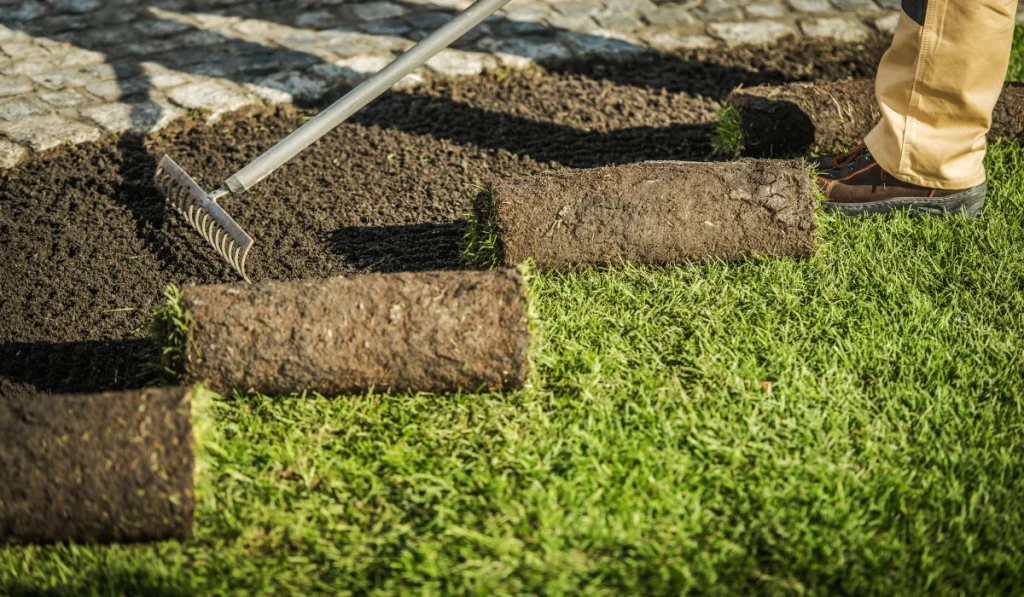
When planting sod in early spring, prepare your soil carefully. Use proper amendments to improve lawn drainage before installing sod, and add nutrients. Rake the area to smooth out air pockets, then use a lawn roller to level the surface.
For the first two to three weeks, keep the top inch of soil consistently moist with several short waterings each day. As roots begin to anchor, gradually reduce watering frequency to fewer, deeper applications each week.
Spring sod installation can be ideal if you’re starting a new lawn after heavy winter rains or replacing old turf during seasonal lawn care updates.
Tips For Installing Sod The Right Way
Installing sod correctly matters more than the exact time of year. If you’re installing sod by yourself, you need to start with solid site preparation.
According to the University of California Agriculture & Natural Resources, you need to cultivate your soil before planting so that the roots of your turf can penetrate deep into the soil and efficiently absorb water and nutrients.
You can do this by removing old grass, weeds, and debris before laying new sod. You can also improve your soil by tilling and grading the area to ensure good water flow, and then adding organic amendments to enhance the topsoil structure.
When you lay sod, stagger the seams like brickwork to prevent gaps. After installation, roll the sod gently to eliminate air pockets and ensure even contact with the soil. Water immediately, ideally using a well-adjusted sprinkler system, to keep the soil moist and support rapid root development.
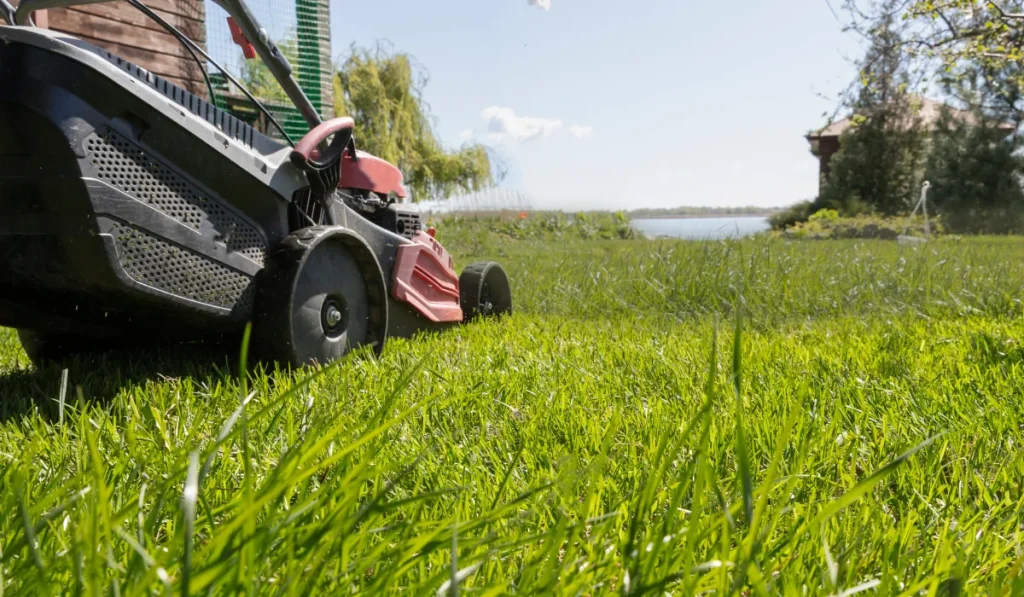
Over the first few weeks, avoid heavy foot traffic and do not mow the grass until it has fully rooted in. Use a sharp mower blade and cut no more than one-third of the leaf height each time.
Sod Options And Grass Types For California Lawns
Select a grass type that suits your local climate to ensure your lawn remains healthy for years. In coastal or shaded areas, tall fescue and Kentucky bluegrass stay lush most of the year. In warmer inland regions, Bermuda and St. Augustine are better suited to handle heat and drought.
Zoysia and other drought-tolerant grass varieties are excellent for homes in Southern California. They resist wear, save water, and stay green throughout the growing season.
Some lawn projects use turf mixes of multiple grass species or combine sod with seed during transitions and overseeding, though this approach isn’t typical for full-area installations.
Buying from high-quality sod farms ensures fresh sod roots and consistent color across your lawn.
Sod Installation For Commercial Landscaping Projects
Many commercial sites in California can install sod nearly year-round by avoiding extreme weather and working when soil conditions are favorable. Planning around growth windows helps save water and maintain turf durability.
For large areas, choose drought-tolerant turf that needs less watering and fewer mowing cycles. For schools, fields, and campuses, TifTuf Bermuda grass is a popular choice due to its ability to withstand wear and tear and recover quickly from damage.
For commercial projects, early fall or late spring installations help build strong roots and lower maintenance costs over time.
Making The Right Choice For Your California Lawn
Creating a lasting lawn in California means thinking beyond the typical seasonal considerations. Focus on soil health, adopt smart watering habits, and select sod that suits your local climate. Consistent care during the first few months helps new turf grow dense and become more drought-tolerant.
At SodLawn, we provide fresh, locally sourced sod varieties suited to California’s diverse regions and growing conditions.
Contact us today for expert advice, delivery options, and guidance on selecting sod that suits your region and local watering regulations.
FAQs
What is the best time of year to install new sod in California?
Early fall is generally the best time because warm soil and mild temperatures encourage strong root development before winter.
Can I lay sod in Southern California during the summer?
Yes, but you’ll need to water it frequently. Using a reliable sprinkler or irrigation system helps new sod survive heat while roots establish.
How long before I can mow my new lawn?
Wait two to three weeks after planting sod. When the sod has fully rooted in, do not take off more than 1/3 of the leaf height at a time.