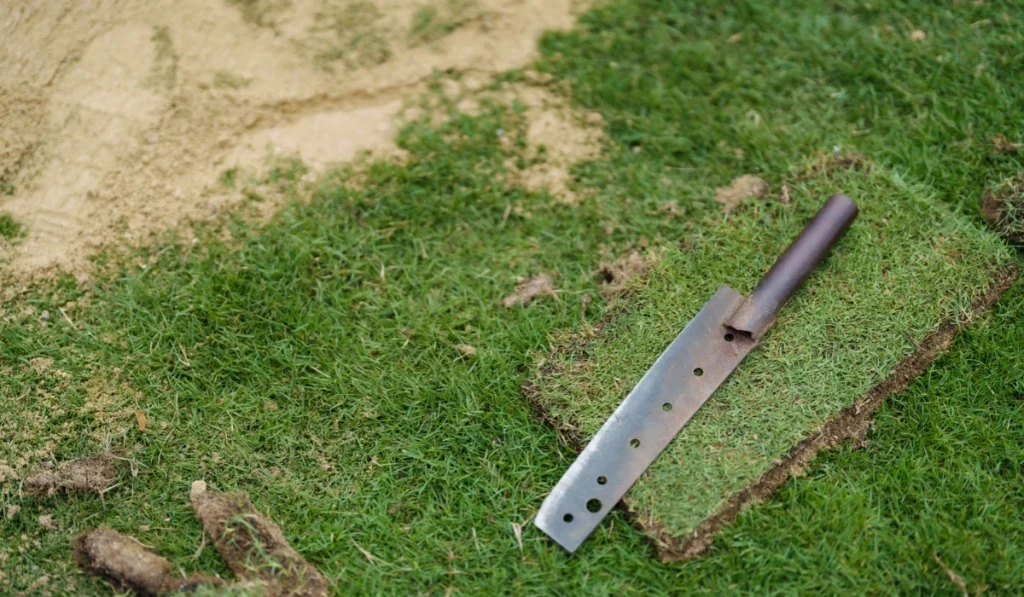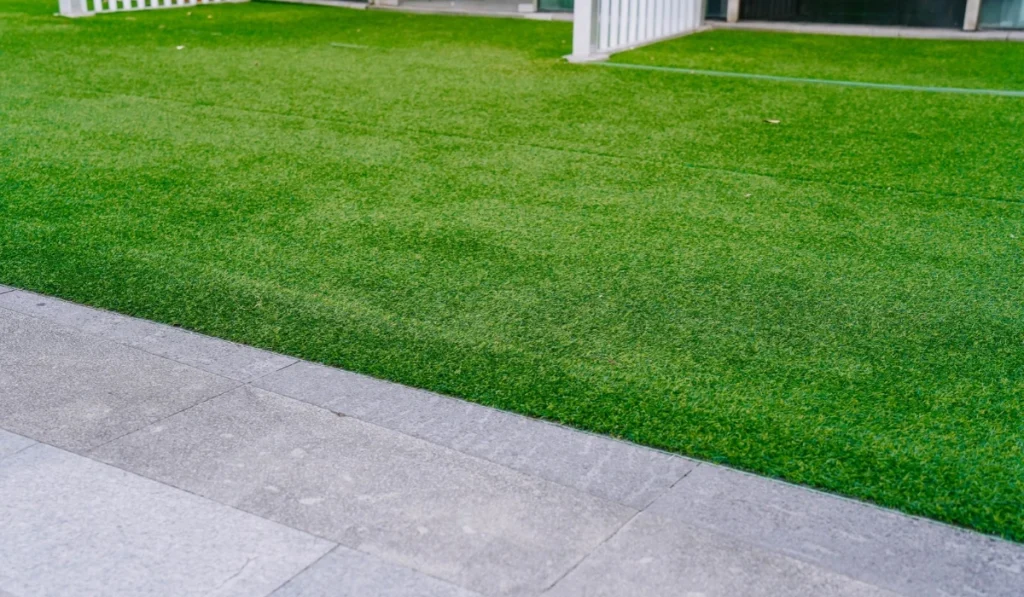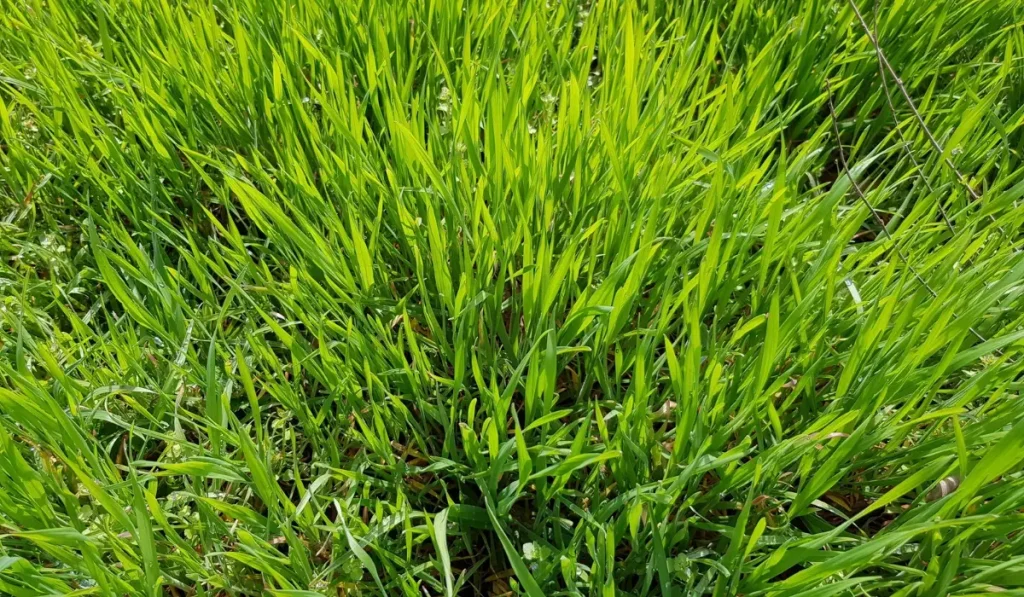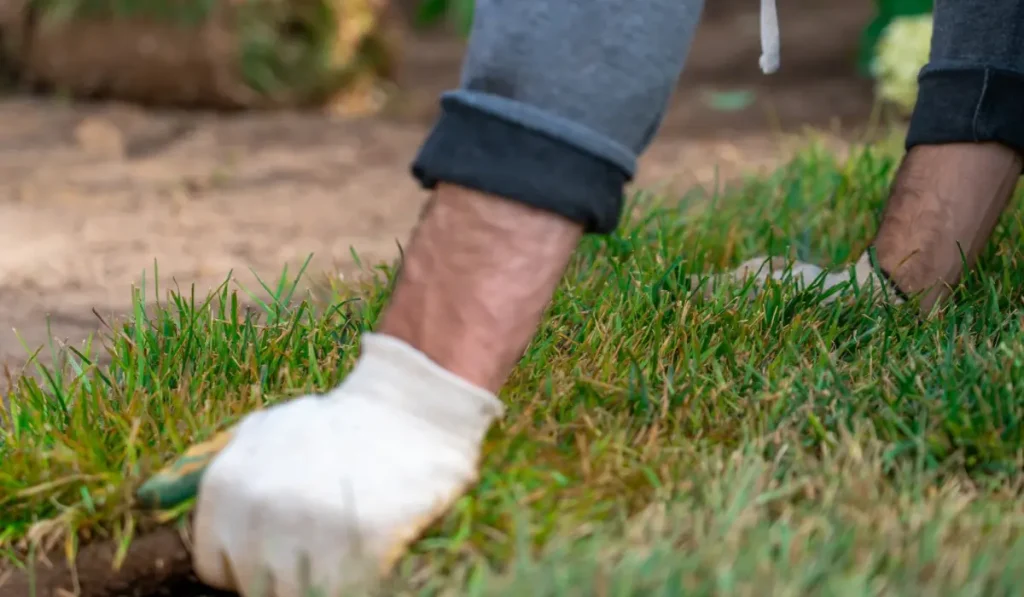
Hydroseeding typically costs less upfront for large lawns, while sod provides immediate grass coverage and a shorter wait before regular use. However, the cheaper option depends on more than installation price. Hydroseeding requires time for germination and growth, while sod needs to establish roots after installation. Both require proper watering and soil preparation.
For California homeowners, the best choice depends on total cost, lawn usability, irrigation, and erosion risks, particularly on dry or sloped properties.
Hydroseeding vs. Sod: Which Is Better for Your Lawn?
Hydroseeding is a method of planting grass seed, while sod installation places established turf directly on prepared soil. Both can produce a healthy lawn, but they begin at different stages of growth.
Hydroseeding is worth considering when you have a large area, dependable irrigation, and enough time to grow grass from seed. Sod is a stronger fit when you need immediate ground coverage and want to avoid the germination stage.
| Factor | Hydroseeding | Sod |
| Initial cost | Often lower on large, prepared areas | Generally higher |
| Installation | Seed slurry sprayed onto soil | Established turf laid on soil |
| Appearance after installation | Mulched seedbed | Immediate grass coverage |
| Establishment | Seed must germinate and grow | Existing turf must develop new roots |
| Regular lawn use | Requires a longer growing period | Usually possible sooner, after rooting |
| Watering | Seedbed moisture must be maintained | Sod and underlying soil need moisture |
| Slopes | Requires suitable erosion-control measures | May need anchoring |
| Main risks | Seed loss, uneven growth, drying | Drying, poor soil contact, rooting problems |
| Strongest use case | Larger areas with flexible timelines | Projects needing immediate coverage |
How Hydroseeding Works
Hydroseeding equipment sprays a mixture of grass seed, water, mulch, and any specified additives across a prepared surface. Some applications include fertilizer or tackifiers, which help the sprayed materials adhere to the soil.
The mulch helps retain moisture around the seed. It doesn’t eliminate the need for watering, and it doesn’t provide the same continuous grass cover as established turf.
The method can be practical for large residential lots and certain slopes, provided the seed mixture and erosion-control measures suit the site.
How Sod Installation Works
Sod arrives as mature turfgrass harvested with a layer of roots and soil. Installers place the sections over prepared ground, fitting them together to create continuous coverage.
The grass already has blades and an established turf layer, but its roots must grow into the new soil. Close soil contact and moisture are important during this period.
The University of Minnesota Extension provides lawn establishment information covering soil preparation and early turf care. These are relevant whether you install harvested sod or establish a lawn from seed.
Hydroseeding vs. Sod Cost: Compare the Full Project Price
Hydroseeding can reduce the initial expense of establishing a large lawn because it uses seed and application materials instead of harvested turf. However, equipment mobilization, site size, and contractor minimums can affect the price on smaller properties.
Sod has higher material and handling costs, but the purchase includes grass that’s already grown. To determine which option offers better value, compare complete quotes rather than material prices alone.
Compare Cost per Square Foot
Ask hydroseeding contractors and sod installers to price the same area with comparable preparation work included.
Calculate the quoted cost using:
Installed cost per square foot = Total installed quote ÷ Lawn area in square feet
A hydroseeding estimate should identify the seed mixture, application materials, equipment, and labor. A sod estimate should identify the grass variety, quantity, delivery, and installation.
If one quote includes grading and soil preparation while the other excludes them, obtain the missing costs before comparing totals.
Include Watering and Preparation Expenses
A lawn with compacted soil, poor drainage, or uneven grading may require additional work before either installation method.
Irrigation is another expense that can change the budget. Hydroseeded seedbeds require consistent moisture during germination, while newly installed sod needs water in the turf layer and the soil beneath it.
Uneven sprinkler coverage can leave some sections dry while others receive excessive water. Checking the irrigation system before installation helps identify coverage problems that could compromise either lawn.
Account for Possible Rework
Hydroseeding may require reseeding where germination is poor or seed and mulch have been displaced. These repairs add materials, labor, and establishment time.
Sod isn’t immune to problems. Sections that dry out, shift, or fail to establish roots may need attention or replacement.
Ask each contractor what happens if coverage is incomplete or a section fails to establish. The estimate should clarify whether follow-up work is included and which maintenance responsibilities belong to you.
How Soon Can You Use a Hydroseeded or Sodded Lawn?
Sod provides full grass coverage on installation day. Hydroseeding starts with a seeded surface and requires germination, leaf growth, and root development.
That makes sod the quicker route to a finished appearance. Neither installation should receive heavy traffic immediately, however, and the timing for regular use depends on growing conditions.
Hydroseeding: Germination Comes First
Hydroseeded grass must germinate before it can provide lawn coverage. The grass species, soil temperature, moisture, and seed quality influence when seedlings appear.
A mixture containing several seed types may not emerge uniformly. Some areas can appear green while others are still developing, especially when irrigation or soil conditions vary across the property.
Suitable grass seed germination temperatures matter when selecting an installation season. After germination, the young plants still need time to become dense enough for regular lawn use.
Sod: Coverage Is Immediate, Rooting Is Not
Sod covers prepared soil as soon as it’s laid, but the existing turf must establish roots in its new location.
Temperature, grass variety, soil contact, and watering influence rooting. A lawn can appear healthy above ground while its roots are still developing beneath the surface.
Limit activity until the sod is securely rooted and follow the grower’s establishment instructions. Don’t judge readiness by appearance alone.
Consider How Your Household Uses the Yard
If children or pets use the backyard every day, keeping a newly seeded area undisturbed may be difficult.
Foot traffic can damage seedlings and disturb the surface before hydroseeded grass becomes established. Sod also needs protection from heavy activity, but it avoids the initial germination and seedling-growth stages.
For a family that needs the backyard back sooner, that difference can justify a higher purchase price. A property that can remain unused during establishment gives hydroseeding a stronger case.
Does Hydroseeding Use More Water Than Sod?
Neither method can be described as the lower-water option in every situation. Their watering needs differ because one begins with seed and the other with established turf.
A valid total-water comparison would need to use the same growing conditions, compatible grass types, and a defined establishment period.
Watering a Hydroseeded Lawn
Grass seed needs appropriate moisture to germinate. If the surface dries excessively, emergence can become uneven or fail in affected areas.
The hydroseed mulch helps retain moisture, but irrigation is still necessary. Watering too heavily can displace material or create runoff, especially on sloped or compacted ground.
As seedlings develop, the watering approach must change to support root growth. Follow the contractor’s instructions for the seed mixture and adjust for weather and soil conditions.
Watering Newly Installed Sod
New sod needs moisture in the harvested turf and the prepared soil below it. Watering only the visible grass blades doesn’t adequately support the developing roots.
Dry edges, poorly fitted sections, and areas with uneven irrigation deserve attention during establishment. The watering schedule should change as the grass develops roots into the ground.
Both methods benefit from properly designed irrigation. A complete-looking sod lawn still needs establishment care.
California Weather Changes the Calculation
Inland locations such as Fresno and Sacramento can experience hot, dry conditions that make moisture management demanding. Coastal properties may have milder temperatures but still face wind, sun exposure, and differences in soil texture.
A sprinkler schedule that works on one property may not work on another. Soil that drains quickly and soil that holds moisture require different approaches.
Check local watering requirements before scheduling either installation, particularly where new landscaping is subject to restrictions. If reliable irrigation isn’t available, address that problem before investing in a new lawn.
Hydroseeding vs. Sod on Slopes and Dry California Lots
Slopes, exposed soil, and poor drainage can make establishment harder for both methods. The main difference is when continuous vegetation covers the ground.
Hydroseeding leaves the soil dependent on the sprayed mulch and other specified measures while grass develops. Sod provides immediate turf coverage, but the sections still need to stay in place and root.
Erosion Risk on Sloped Ground
Rainfall and irrigation runoff can move loose soil on a slope before vegetation becomes established. Slope steepness, soil type, drainage, and existing ground cover affect the risk.
Hydroseeding mixtures can include mulch and tackifiers selected for erosion management. Their performance depends on the materials and application, so a standard lawn hydroseed treatment shouldn’t be treated as a complete slope-stabilization solution.
Sod covers soil immediately, but sections can shift on steep ground before rooting. Anchoring and other measures may be necessary.
The USDA Natural Resources Conservation Service provides information on vegetation and soil conservation. Managing soil erosion on sloped lawns also requires controlling runoff and addressing soil stability.
Risks on Dry, Exposed Lots
A dry property with unreliable irrigation is a difficult starting point for either approach.
With hydroseeding, the surface may dry before seed germinates successfully. Wind, runoff, and compacted soil can make coverage less consistent.
Sod faces different risks: harvested grass may dry during handling or installation, while gaps and poor soil contact can interfere with rooting.
Neither option corrects a drainage problem or unsuitable soil preparation. Fixing those conditions first helps protect the money spent on installation.
When Sod’s Immediate Coverage Has Added Value
Sod can be worth its higher upfront cost when exposed ground needs immediate grass coverage or the homeowner wants to avoid an extended period of visible bare soil.
Its turf layer covers the surface at installation, although roots still need to establish. On steep slopes, that coverage may need to be supported by anchoring and appropriate drainage measures.
Hydroseeding remains an option for sloped properties when the treatment is designed for the actual site conditions. The decision should follow a review of erosion exposure rather than depend on a blanket claim that one method is always safer.
When Should You Choose Hydroseeding Instead of Sod?
The right choice becomes clearer when you consider what matters most: upfront spending, the area to cover, watering reliability, and how soon you need to use the lawn.
Choose Hydroseeding for Large Areas and Flexible Timelines
Hydroseeding is a reasonable choice for a substantial prepared area when you can protect the surface during germination and establishment.
The strongest projects have suitable soil, dependable irrigation, and enough time for seedlings to develop. A homeowner who can manage those conditions may benefit from the lower initial application cost.
Request a complete quote and confirm what follow-up work is included before deciding the savings are worthwhile.
Choose Sod for Immediate Coverage and Earlier Use
Sod makes more sense when a covered lawn is needed immediately after installation or when waiting for grass to grow from seed would create practical problems.
The established turf can shorten the time before normal lawn use, although it must still develop roots in the new soil.
Paying more upfront may be worthwhile for a frequently used backyard or a project where continuous grass coverage is a priority.
Compare These Details Before Accepting a Quote
Before choosing either option, get clear answers about the work included and the responsibilities that follow installation.
For hydroseeding, confirm the seed species or varieties, mulch and additives, site preparation, watering instructions, and suitability for any slope.
For sod, confirm the grass variety, quantity, delivery arrangements, soil preparation, installation labor, and rooting care. Ask both providers how they handle damaged materials, poor establishment, and work that falls outside the initial estimate.
Choosing the Right Lawn Installation Method for Your California Property
Hydroseeding can save money upfront when you’re covering a large, prepared area and have the time and irrigation needed to establish grass from seed. Sod costs more initially but gives you immediate turf coverage and generally a shorter path to regular lawn use.
Before choosing, compare complete quotes and account for site preparation, establishment watering, erosion exposure, and possible rework. Those details determine whether the lowest initial price provides the best overall value.
If sod is the better fit for your California property, review available grass options through SodLawn. You can contact the SodLawn team with your project location, approximate square footage, and preferred installation date to discuss suitable varieties, pricing, and delivery arrangements.