Growing grass seed in San Diego starts with timing. Water matters, but seed germination depends on soil temperatures, air temperatures, and how your yard warms up through the season.
Many homeowners and property managers get patchy results because they plant when the calendar feels right, not when the soil temps are ready. A coastal yard may warm more slowly than an inland property, even in the same week.
Whether you are starting a new lawn, overseeding an existing lawn, reseeding bare spots, or choosing between grass seed and sod, the right germination temperatures help new grass come in stronger and more evenly.
Key Takeaways
- Ideal soil temperatures for grass seed germination often range from 55°F to 75°F for many cool-season grasses, though the best range depends on the type of grass and cultivar.
- Cool-season grasses usually perform best in late summer and early fall in San Diego.
- Seedbed prep, soil conditions, and steady moisture matter as much as the seed itself.
- Good lawn care starts with timing, not just watering more.
The Germination Temperature Range That Works
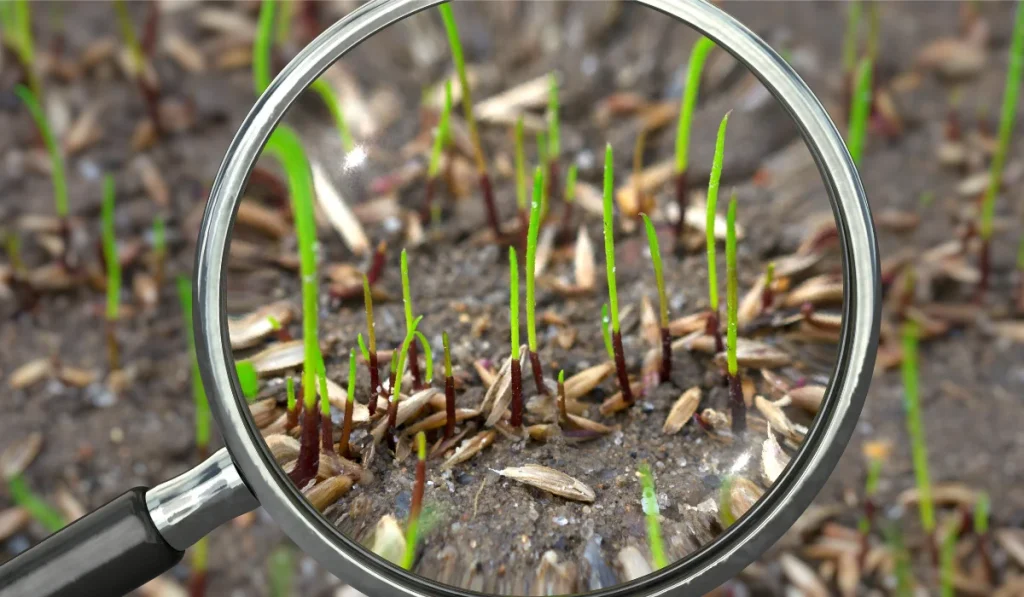
Temperature controls how quickly grass seed wakes up and how evenly grass seedlings fill in. Soil temperatures matter more than air temperatures because the seed sits in the seedbed, not in the afternoon forecast.
50°F to 60°F: Slow Germination
Grass seed can begin germinating when soil temperatures reach about 50°F, but growth is usually slow and uneven. Cool-season grass seed, including tall fescue, fine fescue, and perennial ryegrass, may sprout in this range, but it takes longer to establish.
In San Diego, these cooler soil temps often show up in late winter or early spring. You may see some new grass, but thin areas and delayed growth are common when the soil stays cool.
60°F to 75°F: Best Germination Range
This range gives many cool-season grasses their best chance at optimal germination. Grass seedlings usually come in more evenly when soil conditions stay warm, moist, and consistent.
Kentucky bluegrass, perennial ryegrass, and tall fescue can perform well in this window. In San Diego, late summer through early fall is often the best time for planting grass seed, especially when the seedbed is ready.
75°F to 85°F: Faster but Riskier Growth
Warmer soil temperatures can speed up seed germination, but they also dry the seedbed faster. New grass needs steady moisture at this stage, and hot afternoons can make that harder to manage.
Warm-season grasses, including bermudagrass, handle this range better than many cool-season grasses. Cool-season grass seed may still need extra attention, especially in inland San Diego yards where soil dries quickly.
Above 85°F: Too Hot for Most Grass Seed
Once soil temperatures move above 85°F, grass seed becomes harder to establish. Cool-season grasses struggle most because the seedbed can dry out before roots have time to hold.
During San Diego’s hottest summer stretches, many homeowners wait for better germination temperatures or choose sod for quicker coverage. Sod can be a better fit when you need an established lawn surface sooner and do not want to fight heat during early growth.
When Temps Help or Hurt New Seed
Soil temperatures affect more than the first sprout. They shape root growth, watering needs, weed pressure, and how evenly the lawn grass fills in after seeding.
Consistent Warmth Helps Growth
Grass seed germination works best when the soil stays in a steady range for several days. Sudden swings between cool nights and hot afternoons can slow new grass and leave thin spots across the lawn.
Early fall often gives San Diego lawns a better balance of warmth and moisture. That consistency helps grass seedlings establish before regular mowing and ongoing lawn care begin.
Heat Dries Out Seedbeds Quickly
High soil temperatures pull moisture out of the seedbed fast. Even when you water in the morning, exposed soil can dry before grass seedlings develop enough roots.
Good seedbed prep helps.
Removing thatch, loosening compacted soil, and using aeration when needed helps water reach the seed instead of running off or sitting on the surface.
Cold Slows Growth and Delays Results
Cool soil temperatures do not always stop germination, but they stretch out the process. Seed may sit longer before sprouting, and young grass can come in unevenly.
That delay matters when you are repairing bare spots or overseeding an existing lawn. The longer seed sits without strong growth, the more likely you are to see patchy coverage that needs another round of reseeding.
Temperature Affects Weed Growth
Warmer soil conditions can bring weeds up along with grass seed. Weed seeds often respond to the same warmth and moisture you are giving the lawn.
A cleaner seedbed helps reduce competition from the start. Good weed control before planting grass seed gives new grass more room to grow during establishment.
How to Know It’s a Good Time to Seed
The best time to seed is not based on one warm afternoon. You want soil temps, moisture, and seedbed conditions working together before you spread grass seed.
Check Soil Temps with a Soil Thermometer
A soil thermometer gives you a better reading than the weather report. Check soil temperatures in the morning for a steadier look at actual germination conditions.
Test a few areas if your property has shade, slopes, or a mix of coastal breeze and full sun. One side yard can stay cooler than the front lawn, which can change how quickly new grass fills in.
Perform a Soil Test Before Seeding
A soil test helps you understand nutrient levels and pH before seeding. That information can guide starter fertilizer use and reduce guesswork.
Balanced soil supports stronger roots, better color, and steadier lawn grass growth. It also helps you choose the best grass for your lawn instead of relying only on a general grass seed label.
Prepare the Seedbed Properly
Grass seed needs solid seed-to-soil contact. Before overseeding or reseeding, clear debris, manage thatch, and use aeration if the soil is compacted.
A smooth, loosened seedbed helps seed settle into the soil instead of sitting on top. That gives grass seedlings a better chance to root evenly and reduces bare spots after watering starts.
Time Around Seasonal Windows
In San Diego, late summer through early fall is often the strongest window for cool-season grass seed. Late spring and early summer can work in some situations, but they usually need closer watering and more attention.
You may see the term transition zone in grass guides, but your local soil temperatures matter more than the label. Coastal lawns, inland yards, and commercial landscaping areas can all hit the right window at slightly different times.
Use the Right Equipment
A spreader helps apply grass seed evenly across the lawn. Even coverage prevents heavy clumps in one area and thin patches in another.
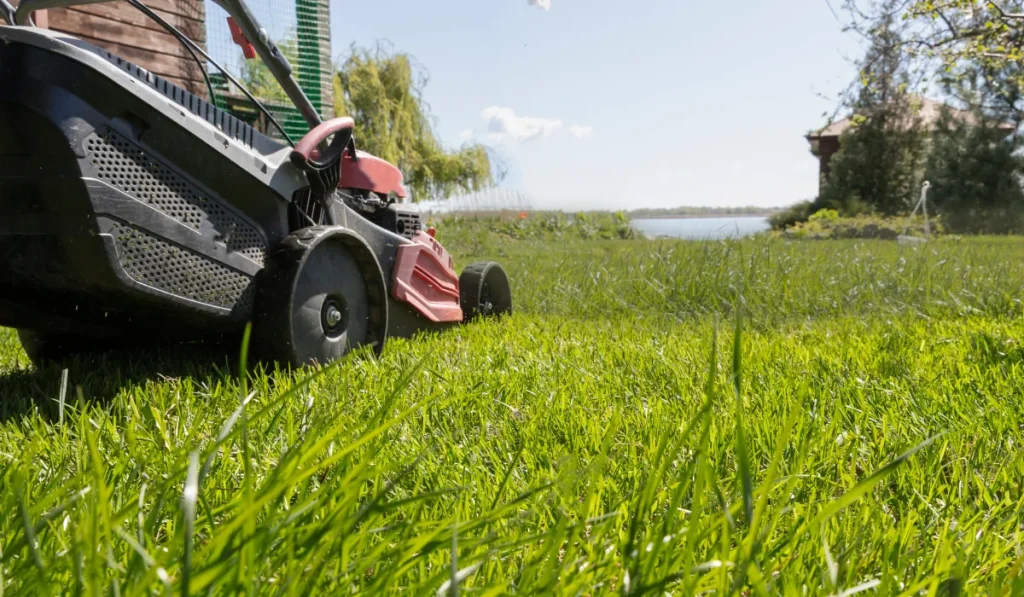
Once the grass is established, mowing becomes part of the plan. Wait until new grass is tall enough and rooted well before the first mowing so you do not pull tender seedlings out of the soil.
Get a San Diego Seeding Plan That Fits Conditions
Every San Diego lawn has its own mix of sun, soil, slope, and daily use. A family backyard with kids and pets may need a different type of grass than a commercial strip of landscaping or a shaded side yard near the coast.
Different grasses each respond differently to soil temperatures and maintenance. Choosing the right seed, timing it around the best germination temperatures, and preparing the seedbed gives your lawn a stronger start.
SodLawn can help you choose the right grass seed, sod, starter fertilizer, and tools for your San Diego lawn. Whether you are overseeding bare spots or deciding if sod is the better fit, reach out to SodLawn for high-quality lawn products delivered when your yard is ready.
FAQs
What temperature is best for grass seed germination?
Grass seed germination works best when soil temperatures stay between 60°F and 75°F for many cool-season grasses. Exact ranges depend on the type of grass, cultivar, and soil conditions. Warm-season grasses, including Bermuda, often handle warmer soil better.
Can I plant grass seed in San Diego in the summer?
You can plant grass seed in summer, but heat makes the seedbed dry faster and raises the risk of uneven growth. In many San Diego lawns, early fall is easier for cool-season grass seed. During hot stretches, sod may be a better option.
What is the best grass for San Diego lawns?
The best grass depends on your property, sun exposure, water needs, and how the lawn gets used. Tall fescue, perennial ryegrass, Kentucky bluegrass, fine fescue, Bermuda, and bermudagrass can all fit different San Diego lawn care goals.